Ahmedabad Heritage Walk: A Guide to the Old City, Its Pols and 600 Years of Living History
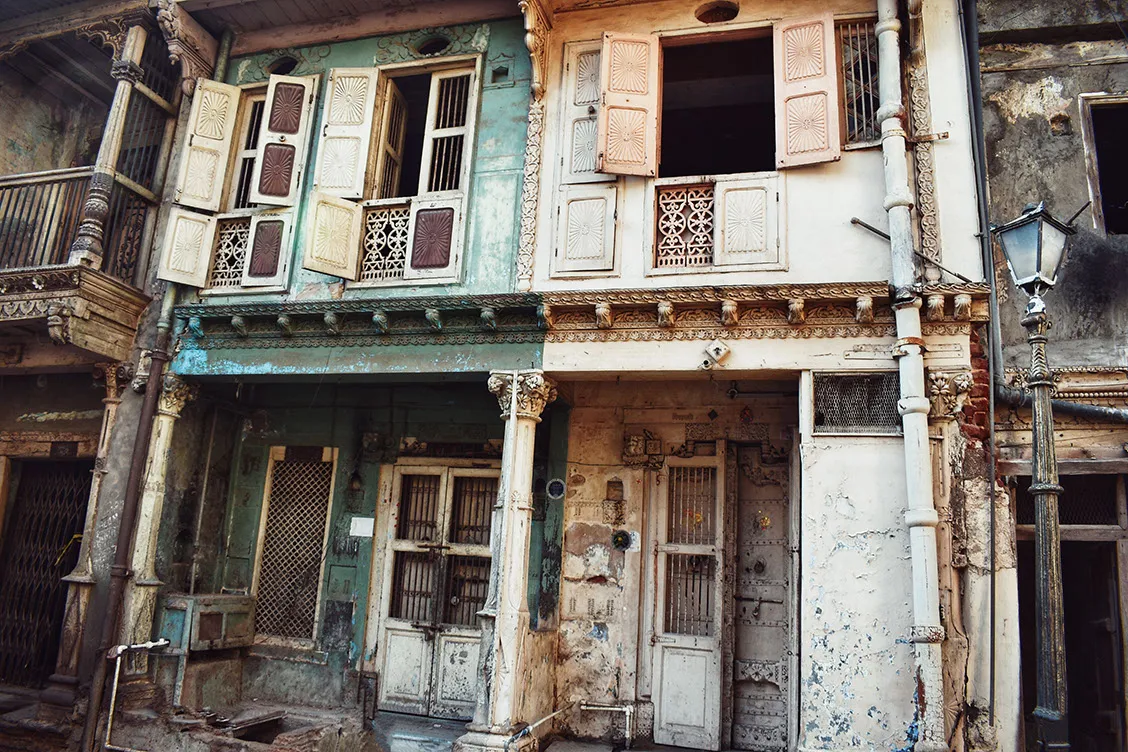
Most Indian cities have a monument or two. Ahmedabad has an entire living city that UNESCO decided to protect. In July 2017, the walled city of Ahmedabad — founded by Sultan Ahmed Shah in 1411 on the eastern bank of the Sabarmati — was inscribed on the World Heritage List, making it India's first World Heritage City. What earned the title was not one palace but a whole urban fabric: Sultanate mosques and tombs, Hindu and Jain temples, carved wooden havelis, and above all the pols — the dense, gated residential clusters in which Amdavadis have lived for six centuries.
The only real way to understand that fabric is on foot, early in the morning, before the heat and the two-wheelers take over the lanes. This guide walks you through what a pol actually is, the stops that matter on the classic old-city route, and how to combine the walk with the rest of a Gujarat trip.
What is a pol, and why does it matter?
A pol is best understood as a village folded inside a city. A single gate — historically closed at night — leads into a cluster of houses built around a shared courtyard street. The residents traditionally shared a caste, a profession or a faith, and the pol organised its own security, water and festivals. Look for the recurring elements as you walk: the entrance gate, the chowk, a small temple or derasar, a communal well, and the chabutro, the ornate multi-storey bird feeder that is pure Ahmedabad.
The houses themselves are the real gallery. Merchant families built facades of carved wood — brackets, balconies and doors carrying temple-derived motifs — and behind those facades arranged rooms around internal courtyards that kept the interiors cool. UNESCO's citation singled out exactly this synthesis: Sultanate-period planning layered with Hindu and Jain craftsmanship, still inhabited, still working. A pol is not a museum; children cycle through it, grandmothers watch from the otla (the raised entrance platform), and your walk is a guest's privilege, so dress modestly, ask before photographing people, and keep voices low near homes and temples.
The classic walk: from Kalupur to Manek Chowk
The Ahmedabad Municipal Corporation's heritage walk is the route to copy even if you walk it independently: it begins at the Swaminarayan Temple in Kalupur and threads roughly two kilometres through the old city with around twenty pause points, ending near the Jama Masjid about two and a half hours later. Along the way you pass Kavi Dalpatram Chowk, named for the beloved Gujarati poet whose house stood here, the Calico Dome, Kala Ramji Mandir with its remarkable carved interiors, and a sequence of pols — Muhurat Pol is traditionally counted the first pol of the city.
Two stops deserve extra time. The Sidi Saiyyed mosque, small and easy to miss, holds the famous jali — a single carved stone lattice window depicting the tree of life — that has become the unofficial symbol of Ahmedabad; stand inside in the morning and watch the light come through the stone. And the Jama Masjid, built in the Sultanate period, remains one of the finest mosques of its era in western India, its courtyard a sudden ocean of calm a minute from the bazaars. Nearby stand the Badshah no Haziro and Rani no Haziro, the royal tombs, where the city's founders rest across the road from each other.
“A pol is a village folded inside a city — a gate, a courtyard, a temple, a bird feeder, and six hundred years of neighbours.”
After the walk: Manek Chowk and the riverfront
Finish the morning with breakfast the Amdavadi way — fafda and jalebi, or a full Gujarati thali if you have walked up an appetite — and come back to the old city after dark. Manek Chowk, a vegetable market by day and a jewellery market by afternoon, transforms at night into one of India's great open-air food courts: pav bhaji, dosa, kulfi and the famous chocolate sandwich stalls serve crowds seated in the middle of the square until late. It is the perfect counterpoint to the quiet lanes of the morning.
With more time, cross to the Sabarmati Ashram, Gandhi's home base from which the Dandi Salt March set out in 1930 — the association that formed part of UNESCO's case for the city — and walk a stretch of the modern riverfront at sunset to see how the new city frames the old.
Planning your visit
- Walk early: start by 7:30–8 am for quiet lanes, soft light and bearable temperatures in all but the peak summer weeks.
- Wear comfortable closed shoes — the lanes are uneven — and carry water; modest dress is expected near temples, mosques and inside pols.
- The old city pairs naturally with a night in Ahmedabad before heading west; see our [Somnath temple darshan guide](/blog/somnath-temple-darshan-travel-guide) and the [Rann Utsav booking guide](/blog/rann-utsav-2026-27-booking-travel-guide) for the onward circuit.
- For a packaged route, the [Dwarka–Somnath tour](/packages/dwarka-somnath-tour) covers the pilgrim coast, and [Gujarat destinations](/destinations/gujarat) lists the wider state.
Beyond the walls: stepwells and the wider heritage city
If the walk leaves you hungry for more, Ahmedabad's heritage does not stop at the old-city gates. The region's stepwells — the vavs — are Gujarat's signature architecture of water: descend the carved storeys of Dada Harir's stepwell in the city or Adalaj Vav a short drive out, and you move from the heat of the street into cool, pillared, underground palaces built for travellers and worship alike. Together with Sarkhej Roza, the serene mosque-and-tomb complex on the city's edge, they explain why UNESCO treated Ahmedabad as a whole cultural landscape rather than a cluster of monuments — and they fill a second easy morning before you move on across Gujarat.
A final practical word: the old city is a living neighbourhood, not a set. Shops open through the morning, Jain derasars and mosques keep their own prayer rhythms, and residents are unfailingly patient with walkers who stay to the lanes' edges and ask before they photograph. Reward that patience by spending in the old city itself — breakfast at a heritage eatery, brass and textiles from the bazaars near Manek Chowk, and a guide fee paid to a trained local walker rather than saved. Heritage survives in Ahmedabad because it still pays its way in daily life; a thoughtful visitor is part of that economy, not just an audience for it.
- Cultural Heritage Online — UNESCO World Heritage Sites Near Ahmedabad
- Outlook Traveller — Ahmedabad: India's First Heritage City
- Academia — Ahmedabad: The World Heritage Title and Challenges
Share this article