Best Time to Visit Dubai: Weather & Events Guide
By My Quick Trippers · 13 Oct 2026
8 min read · Travel Planning
Dubai is a tale of two cities depending on when you visit: the balmy open-air playground of winter, and the air-conditioned indoor wonderland of summer. Choosing the best time to visit Dubai shapes everything — what you'll pay for hotels, which attractions are at their best, and whether your trip revolves around beaches or malls. This guide breaks down Dubai's weather month by month and the events calendar that makes winter the city's high season.
Dubai's climate is simple to summarise: October to April is glorious, May to September is hot. But the details — humidity curves, event seasons, price swings — are what separate a good Dubai trip from a great one.
Winter (October to April) brings daytime temperatures in the mid-20s to low-30s°C, cool evenings that can dip toward the mid-teens in December–January, low humidity, and reliably blue skies. This is when Dubai lives outdoors: beach clubs fill, the desert safari season peaks, Miracle Garden blooms, and Global Village opens its gates. It's also when hotel rates peak and attractions need advance booking.
Summer (May to September) brings intense heat — afternoons regularly exceed 40°C with high humidity on the coast. Outdoor sightseeing becomes a dawn-and-dusk activity, but Dubai compensates brilliantly: the world's best malls, indoor theme parks (IMG Worlds, Ski Dubai), aquariums, and museums are all air-conditioned, and hotel rates drop to annual lows. If you can handle heat strategically, summer Dubai is a bargain.
Month-by-Month Snapshot
October: summer breaks, outdoor life resumes, rates still reasonable — a sweet spot. November: near-perfect weather, events season begins, prices climb. December: peak festive season — ideal weather, highest demand, book far ahead. January: coolest month, Dubai Shopping Festival typically in full swing, peak crowds. February: glorious weather continues, crowds ease slightly after mid-month. March: warming up but still excellent; last call for Miracle Garden and Global Village. April: shoulder season — warm days, thinning crowds, softening rates. May: heat arrives, rates drop, indoor strategy begins. June–August: peak heat, lowest prices, mall-and-pool rhythm. September: heat eases late in the month; early shoulder bargains.
The Shoulder Sweet Spots
For the best weather-per-rupee balance, target late October–early November or April. You get 80% of winter's pleasantness at 60–70% of peak prices, with shorter queues everywhere. Late September can work for the brave — the sea is at its warmest and hotels are quiet.
Winter is Dubai's festival season. The Dubai Shopping Festival, typically held across December–January, transforms the malls with discounts, raffles, and fireworks — the single best time for shopping-focused trips. Dubai Food Festival (usually spring) celebrates the city's extraordinary dining scene. The Dubai World Cup horse racing (March) and the Emirates Airline Festival of Literature draw their own crowds.
National Day on December 2nd brings spectacular fireworks and citywide celebrations — a wonderful time to be in Dubai if you book early. During Ramadan (dates shift each year — check the calendar), the city takes on a reflective, festive-evening character: daytime dining options shrink but iftar tents, night markets, and cultural experiences multiply. Summer counters with Dubai Summer Surprises, packing the malls with deals and entertainment.
- Beach holiday: October to April — calm, swimmable sea and beach-club weather.
- Family with kids: October to March — outdoor attractions comfortable, Miracle Garden and Global Village open.
- Honeymoon: November to March — desert dinners and dhow cruises at their most magical.
- Shopping trip: December–January during the Shopping Festival, or summer for clearance deals.
- Budget trip: May to September for lowest hotel rates; April and October for the value balance.
- Desert safari: October to March — cool desert nights make the camp experience; summer safaris run but the heat lingers.
- Stopover (1–2 days): any month works — the icons (Burj Khalifa, Fountain, malls) are year-round.
Winter visitors need light layers for cool desert evenings and heavily air-conditioned malls — a light jacket is essential from November to February. Summer demands UV-protective light clothing, serious sunscreen, sunglasses, and a hat; the indoor-outdoor temperature swing exceeds 20 degrees, so layers matter year-round. Modest dress (covered shoulders and knees) is respectful for mosque visits and old Dubai; beachwear stays at beaches and pools. Comfortable walking shoes are non-negotiable — Dubai's malls and promenades involve serious mileage.
Treat summer Dubai as the world's best air-conditioned city and it works beautifully. Mornings at the beach before 9 AM, then IMG Worlds of Adventure, the Dubai Aquarium, Ski Dubai, the Museum of the Future, and serious mall-hopping through the furnace hours. Evening pool swims and the Fountain show close the day. In summer, your hotel's pool matters more than its lobby — you'll live in it.
Summer also brings the year's emptiest attractions: walk straight onto rides that queue for an hour in January, get the spa slot you want, and find beach clubs practically private on weekdays. The heat is real, but so is the value — and everything important in Dubai is twenty steps from air conditioning.
Expect peak crowds from mid-December to early January, around the Shopping Festival, and during major events and Gulf national-day weekends. School-holiday weeks spike the family attractions in particular. For the quietest marquee experiences, visit the big sights on weekday mornings — even in peak season, 9 AM at the Burj Khalifa or the aquarium feels calm compared to the weekend rush.
Ramadan's dates shift each year, so check the calendar before booking — and don't dismiss a Ramadan trip out of hand. The holy month gives Dubai a distinctive rhythm: quieter days, with many restaurants closed or discreet during daylight hours, and magical nights of iftar tents, extended mall hours, and cultural programming. Non-Muslim visitors are welcome everywhere but should avoid eating, drinking, or smoking in public during fasting hours out of respect.
There are real upsides for travellers: hotel rates often dip, attractions run crowd-free, and the evening atmosphere — lantern-lit streets, night markets, special Ramadan menus — is something most tourists never experience. Live music and shows pause, but the cultural experiences gain depth: mosque visits, heritage walks, and iftar invitations reveal a more authentic Dubai.
If your dates fall in Ramadan, embrace the inversion: plan slow, cool daytime hours around the pool, spa, and museums, and let the city show you its nights. It's Dubai at its most genuine — and you'll have the daytime sights nearly to yourself.
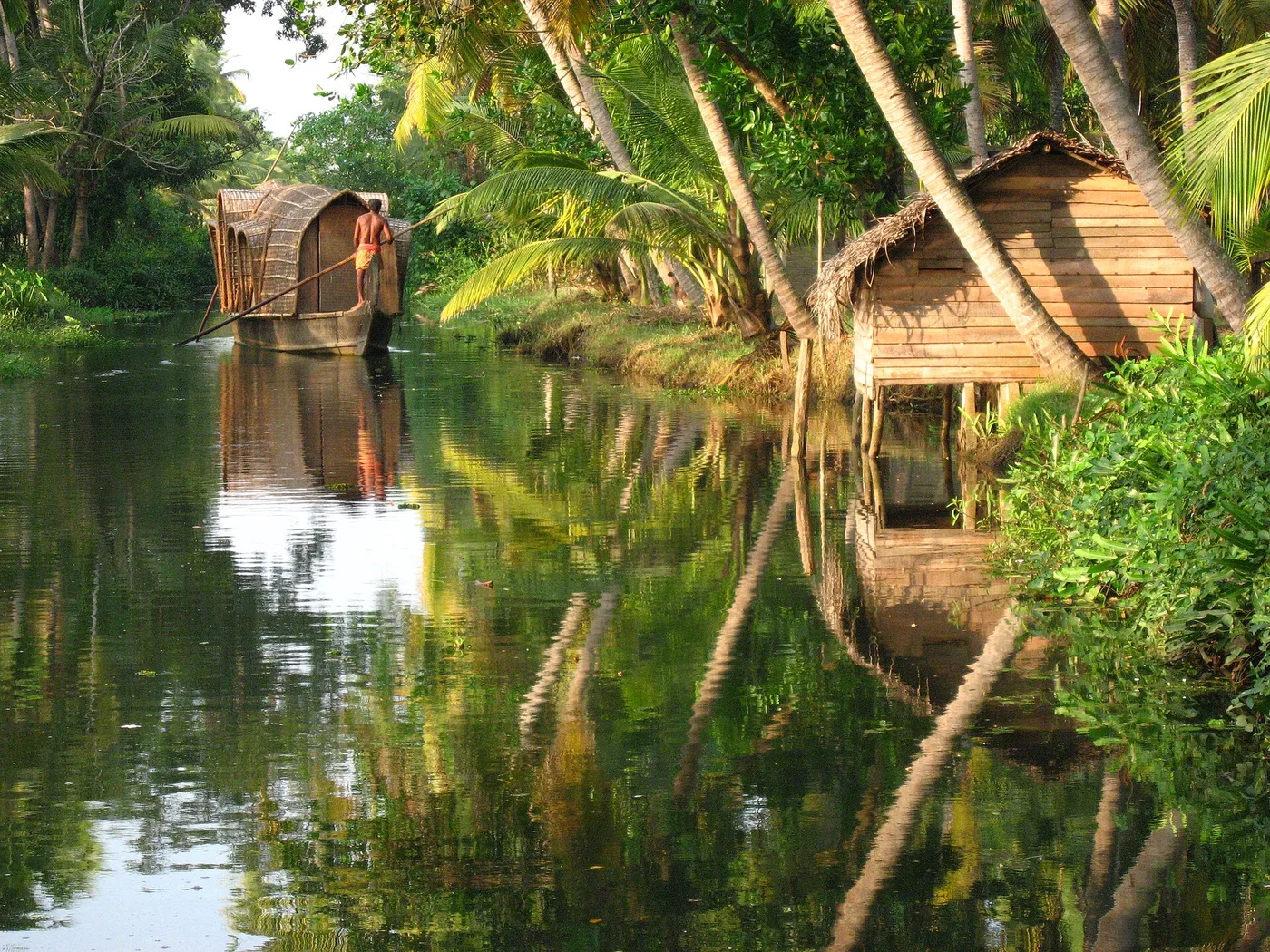
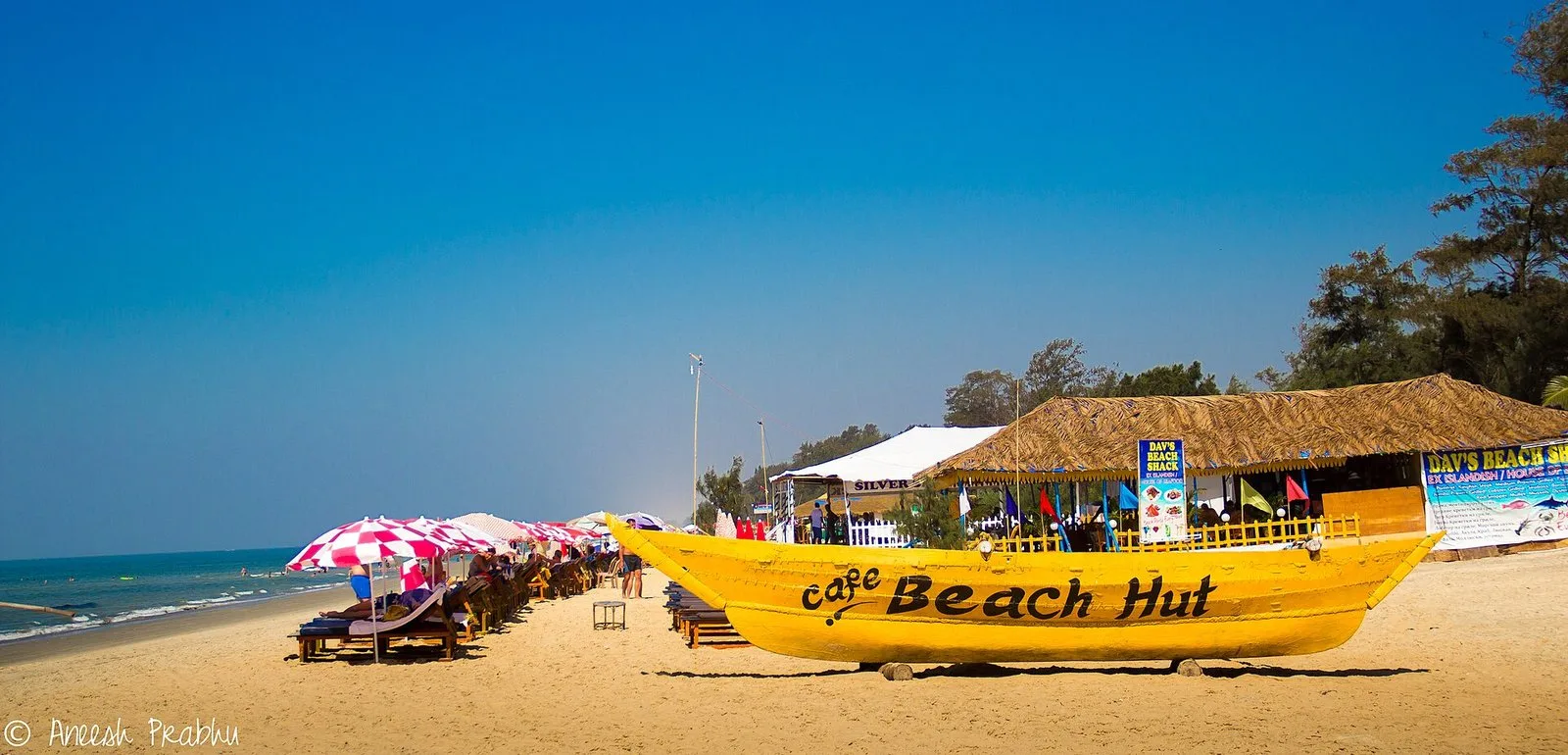
Travelling only in summer? Consider the alternatives honestly. Kerala’s monsoon (June–September) is its most beautiful season — dramatic, green, and crowd-free, the inverse of Dubai’s furnace. Sri Lanka’s east coast is dry and sunny through the European summer. Goa’s monsoon has its own wild charm at rock-bottom prices. Vietnam’s summer is hot but manageable, with the north’s mountains offering respite. Dubai in winter remains unmatched for guaranteed sunshine — but a smart traveller matches the destination to the month, not the month to the destination.
Is summer too hot to visit Dubai?
Not if you plan for it. Sightsee outdoors before 10 AM and after 5 PM, spend midday in malls, indoor parks, and pools, and you'll have a comfortable trip at the year's lowest prices. Many families prefer summer's value.
What is the cheapest month to visit Dubai?
June to August typically offers the lowest hotel rates. For cheaper rates with bearable weather, look at May and September.
When is the Dubai Shopping Festival?
It is typically held in the winter months, spanning roughly December into January — exact dates vary each year, so check the official calendar when planning a shopping-focused trip.
Is Dubai good in December?
December has Dubai's best weather and festive energy, but also peak crowds and prices. Book flights, hotels, and key attractions well in advance.
Does it rain in Dubai?
Rarely — Dubai gets minimal annual rainfall, mostly in brief winter showers between December and March. Rain never meaningfully disrupts trips.
Match your month to your mission — winter for the full outdoor Dubai, summer for indoor wonders at bargain rates, shoulders for the best of both — and the city delivers in every season. To time your Dubai trip around the right weather, events, and prices for your travel style, chat with our travel experts on WhatsApp to plan this trip.
Share this article