Buddha Purnima 2027: Date, Bodh Gaya, Sarnath & Buddhist Circuit Guide
By My Quick Trippers · 20 Nov 2026
6 min read · Pilgrimage
Buddha Purnima 2027 falls on Thursday 20 May 2027 — the full-moon day that marks the birth, the enlightenment and the Mahaparinirvana of the Buddha, all three on the same lunar date. It is the most sacred day in the Buddhist calendar, and its centre in India is Bodh Gaya in Bihar, where the Buddha attained enlightenment under the Bodhi tree. For travellers, it is the reason to walk the Buddhist circuit in May: Bodh Gaya, Sarnath, and the monasteries of Sikkim, in the last weeks before the monsoon.
The date is panchang-verified and gazetted: the Government of India's holiday list marks 20 May 2027, and the lunar calendars agree. This guide covers the date, what the day means, the three places that define it, and how to plan the Buddhist circuit around it.
Buddha Purnima 2027: the date
- Date: Thursday 20 May 2027 (full moon, Vaishakh Purnima)
- What it marks: the birth, enlightenment and Mahaparinirvana of the Buddha — all three on the same lunar day
- Main centre: Bodh Gaya, Bihar — the Mahabodhi Temple, where the Buddha attained enlightenment
- Also observed: Sarnath (where the Buddha first preached), Sikkim's monasteries, and Buddhist communities across India
- Gazetted holiday: yes — the Government of India's holiday list marks 20 May 2027
Why one day holds three events
Buddha Purnima — also called Vesak — compresses the Buddha's life into a single full-moon day. He was born at Lumbini, attained enlightenment at Bodh Gaya, and entered Mahaparinirvana at Kushinagar — and tradition holds that all three happened on the full moon of Vaishakh. The day is therefore not a birthday or a memorial alone; it is the whole arc of the life, remembered at once. The observance is correspondingly quiet: prayers, offerings of flowers and lamps, the reading of the scriptures, and the release of caged birds as an act of compassion.
The day's character is contemplative rather than festive. There are no processions of the kind that mark Hindu festivals, no crowds in the streets — the crowds are inside the temples, sitting in meditation, circumambulating the stupas, and listening to the monks. For a visitor, that quiet is the experience: Bodh Gaya on Buddha Purnima is the sound of chanting across the temple complex, the smell of incense, and the sight of pilgrims from a dozen countries walking the same paths.
Bodh Gaya: the centre of the day
Bodh Gaya is where the Buddha sat under the Bodhi tree and attained enlightenment, and the Mahabodhi Temple — a UNESCO World Heritage Site — is the day's centre. On Buddha Purnima the temple complex fills from dawn: monks from the many international monasteries of the town, pilgrims from Sri Lanka, Thailand, Tibet, Japan and Vietnam, and Indian visitors from across the country. The Bodhi tree itself, descended from the original, is the object of circumambulation; the temple's great spire, lit for the evening, is the day's closing image.
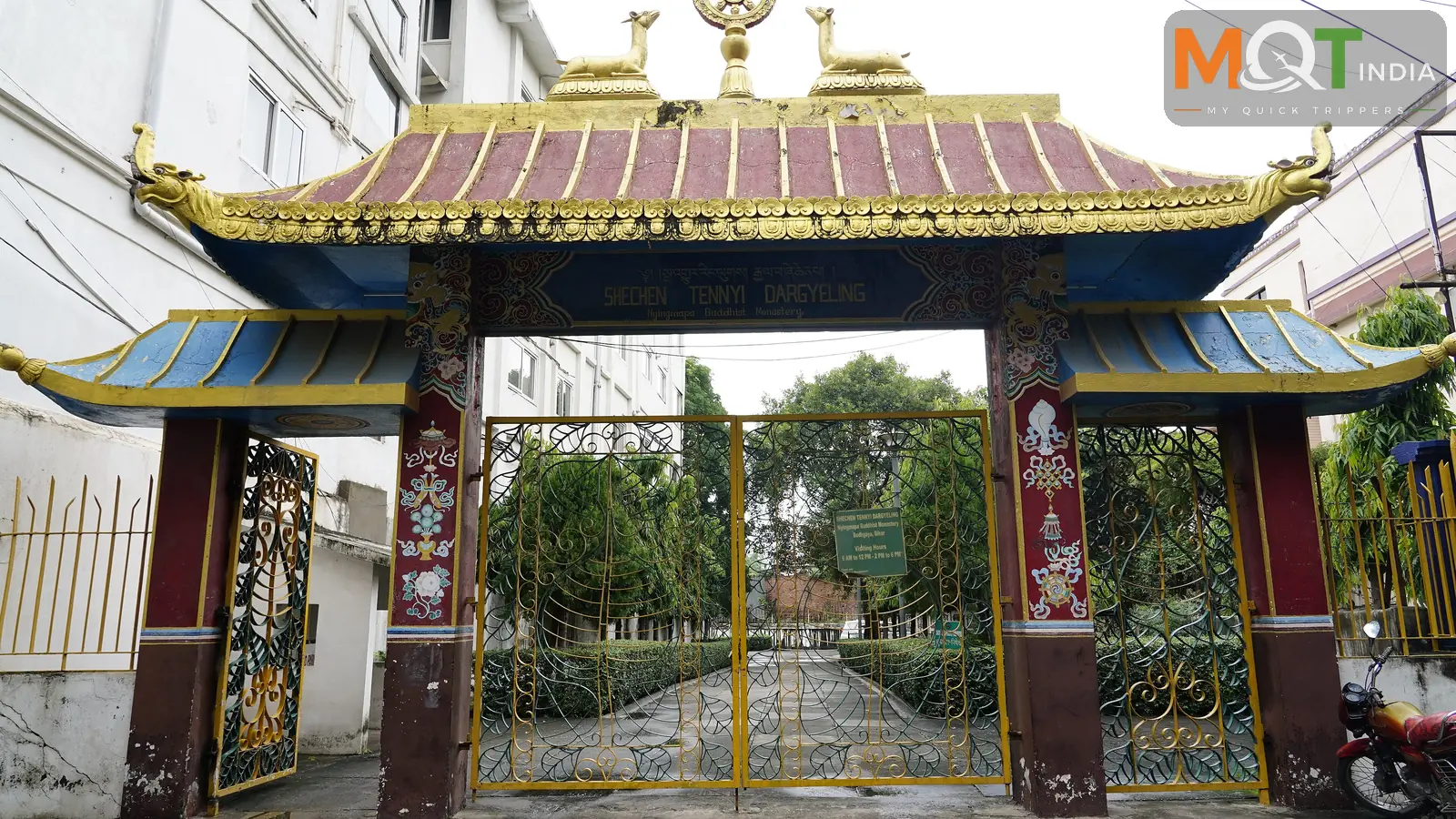
The town around the temple is itself the experience: the international monasteries — Thai, Tibetan, Japanese, Burmese — each built in its own architectural tradition, each open to visitors, each holding its own observances on the day. Walk the monastery circuit in the afternoon, when the main temple's crowds thin, and the town becomes a tour of Buddhist Asia in a single square kilometre.
Sarnath and the Buddhist circuit
Sarnath, near Varanasi, is where the Buddha preached his first sermon after enlightenment — the Dhamek Stupa marks the spot, and the archaeological park and museum hold the remains of the monasteries that once stood here. On Buddha Purnima the site draws its own crowds, smaller and quieter than Bodh Gaya's, and the pairing is the natural one: Bodh Gaya for the enlightenment, Sarnath for the teaching, Varanasi for the city that contains them both. The circuit runs Bodh Gaya to Sarnath in a day by road, and the two together make the complete May pilgrimage.
Sikkim's monasteries — Rumtek, Enchey, Pemayangtse — observe the day as Saga Dawa, the most sacred month of the Tibetan calendar, with the full moon as its peak. The Himalayan setting gives the observance a different character: mountain monasteries, butter lamps, and the same quiet that defines the day everywhere. A Bodh Gaya–Sarnath–Sikkim arc is the full circuit, but it needs two weeks; most travellers pick Bodh Gaya and Sarnath for one trip, Sikkim for another.
How to reach Bodh Gaya
Gaya is the railhead, on the Delhi–Howrah main line, with trains from Delhi, Varanasi, Kolkata and Patna; Gaya Airport has flights from Delhi, Kolkata and other metros. Bodh Gaya is a short drive from Gaya town. From Varanasi, the road to Bodh Gaya is a few hours, and the Sarnath pairing makes Varanasi the natural second base. May is hot in the Gangetic plain — plan the temple for the early morning and late afternoon, and rest at midday.
Planning tips
- Book Bodh Gaya stays early for Buddha Purnima week — the town's hotels and the monasteries' guesthouses fill, and the international pilgrims book months ahead.
- Visit the Mahabodhi Temple at dawn: the crowds are thinnest, the chanting is at its most beautiful, and the May heat has not yet arrived.
- Walk the international monastery circuit in the afternoon — Thai, Tibetan, Japanese, Burmese — each in its own architectural tradition.
- Dress modestly and remove shoes at the temples; photography rules vary by monastery, so ask before photographing monks or ceremonies.
- May in Bihar is hot — carry water, plan temple visits for morning and late afternoon, and rest at midday.
- Pair the day: Sarnath and Varanasi are the natural add-ons, and Bakrid falls three days earlier (17 May) if your week spans both festivals.
Frequently Asked Questions
When is Buddha Purnima 2027?
Thursday 20 May 2027 — the full moon of Vaishakh, a gazetted holiday. It marks the birth, enlightenment and Mahaparinirvana of the Buddha.
Where is Buddha Purnima best celebrated in India?
Bodh Gaya in Bihar, at the Mahabodhi Temple where the Buddha attained enlightenment. Sarnath near Varanasi, where he first preached, and Sikkim's monasteries are the other centres.
Is Buddha Purnima a public holiday in 2027?
Yes — it is a gazetted holiday in the Government of India list for 2027, marked 20 May.
Can I combine Buddha Purnima with Sarnath and Varanasi?
Yes — Bodh Gaya to Sarnath is a day by road, and Varanasi is the natural base for both. A Bodh Gaya–Sarnath–Varanasi week is the complete May pilgrimage.
What should I wear for Buddha Purnima?
Modest, light clothes for May's heat — shoulders covered at the temples, shoes removed inside, and white is the traditional colour of the day if you want to join in.
Share this article