Chakrata: Offbeat Hills & Tiger Falls
By My Quick Trippers · 14 Oct 2026
7 min read · Destination Guides
Chakrata — a cantonment town at 2,118 metres, 90 km from Dehradun — is where Delhi and Dehradun travellers go when they have outgrown Mussoorie: pine and deodar forests, meadows that roll to the horizon, the spectacular Tiger Falls, and a fraction of the crowds. The Army's presence keeps it clean and restricted — foreigners need permits, and the town retains an old-world, off-the-map feel.
This Chakrata guide covers the essential sights (Tiger Falls, Deoban, Budher caves, Chilmiri Neck), the cantonment rules visitors should know, the best time to visit, how to reach from Delhi and Dehradun, where to stay, and a practical 2-day itinerary.
Tiger Falls: Chakrata's Showpiece
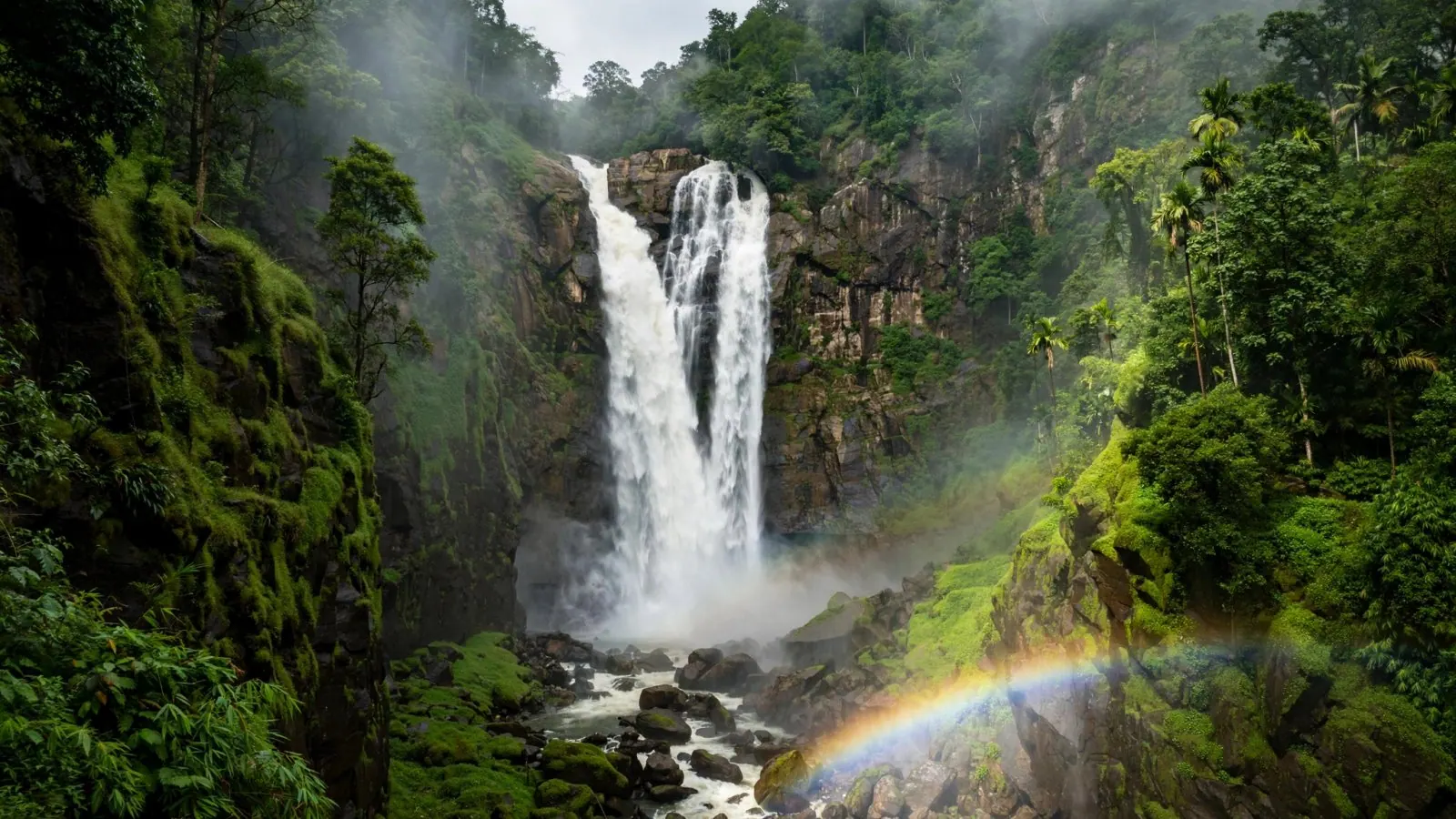
Twenty kilometres from town, Tiger Falls plunges nearly 100 metres off a cliff into a plunge pool — among the highest direct waterfalls in Uttarakhand. The 1-kilometre trek down from the parking (and back up — the climb is the workout) passes through forest; the falls are most powerful post-monsoon (September-November) and in early summer snowmelt. The pool invites a dip for the brave — the water is glacial even in May.
Go early morning to have the falls to yourself; by afternoon, day-trippers arrive. The small dhabas near the parking serve hot maggi and chai — the essential Himalayan waterfall ritual. Monsoon makes the falls thunderous but the trek slippery; winter can freeze the upper sections into spectacular ice formations.
Deoban, Budher Caves and Viewpoints
Deoban
Thirteen kilometres from Chakrata, Deoban is a dense deodar forest with a forest rest house and arguably the finest Himalayan views in the area — the Banderpunch, Chaukhamba and Nanda Devi ranges on clear days. The forest walks here, among some of the oldest deodars in the region, are deeply peaceful. Stay at the FRH for a night if you can secure a booking.
Budher Caves (Moila Top)
An 8-kilometre trek from the road-head leads to the Budher limestone caves beneath Moila Top's meadows — stalactite formations inside, and 360-degree Himalayan views from the meadow top. The trek passes through gorgeous forest and is moderately challenging; go with a local guide, carry lunch and water, and start early.
Chilmiri Neck and Mundali
Chilmiri Neck, the highest point around Chakrata, offers sunrise views over the Yamuna valley and distant peaks. Mundali, 30 km away, is a high meadow (2,700 m) with ski potential in winter and superb summer camping — the adventurous extend here for a night under stars.
Cantonment Rules: What Visitors Should Know
Chakrata is an active military cantonment, and the rules matter: foreign nationals need prior permission (Inner Line Permit-style clearance) to visit — check current requirements well ahead, as this is strictly enforced. Photography is restricted in cantonment areas — respect the signage and never photograph military installations. The town essentially sleeps early; this is not a nightlife destination.
The flip side of the restrictions is preservation: no commercial sprawl, clean forests, and a town that feels like the hills of fifty years ago. Indian tourists face no permit requirements — just the standard respect for a working military station.
Best Time to Visit Chakrata
March to June is the main season — pleasant weather, Tiger Falls in good flow, clear mornings. September to November is superb: post-monsoon greenery, powerful waterfalls, crisp air, thin crowds. December to February brings winter chill and occasional snow — the falls partially freeze, the forests turn silent, and the town is at its most atmospheric.
July-August is monsoon: the falls are at their most dramatic but trails are slippery and leeches appear; the Dehradun–Chakrata road needs caution. For the classic Chakrata trip, March-June and September-November are the windows.
How to Reach Chakrata
Chakrata is 90 km from Dehradun (3-4 hours) via Vikasnagar and Kalsi — a winding mountain road through pine forest. From Delhi, it is 320 km (8-9 hours) via Dehradun. Nearest airport: Jolly Grant near Dehradun. Nearest railhead: Dehradun. Buses run Dehradun–Chakrata; shared jeeps ply from Vikasnagar.
Chakrata works as a 2-3 day trip from Dehradun/Delhi, or combined with a Mussoorie–Dhanaulti circuit. The roads are good but winding — self-drivers should be comfortable with mountain driving.
2-Day Chakrata Itinerary
Day 1
Arrive from Dehradun by afternoon. Evening: Chilmiri Neck for sunset, stroll the cantonment town, dinner at a local dhaba. Early night.
Day 2
Morning: Tiger Falls excursion (start by 8 AM, 3-4 hours round trip). Afternoon: Deoban forest and viewpoint. Alternatively: the Budher Caves trek (full day — start at dawn).
Day 3
Morning forest walk, then drive back via Kalsi (stop at the Ashokan rock edict, a 2,300-year-old historical treasure most visitors miss).
Chakrata's Forests: Wildlife and Birding
Chakrata's deodar and oak forests are rich wildlife habitat — leopards, Himalayan black bears, barking deer and wild boar roam the deeper woods, while the birdlife is superb: Himalayan monals, koklass pheasants, woodpeckers and laughingthrushes. The Deoban forest and the trails around Budher are the productive zones; dawn walks with a local guide reveal the forest at its liveliest.
The Govind Wildlife Sanctuary lies further up the valley for serious wildlife seekers. For casual visitors, the message is simpler: walk quietly at dawn, carry binoculars, and the forest will show you its residents. The absence of crowds means Chakrata's wildlife is less habituated and more authentic than in busier hill stations — sightings feel earned.
Can foreign nationals visit Chakrata?
Only with prior permission — Chakrata's cantonment has restricted-area status for foreign nationals, and the clearance must be arranged well in advance through proper channels. This is strictly enforced at entry checkpoints. Indian citizens need only a photo ID.
What is the best season for Tiger Falls?
Post-monsoon (September-November) — the falls run full and the forest glows, with clear skies for the surrounding views. Summer (April-June) is pleasant but the flow is thinner. Monsoon makes the falls thunderous but the trek slippery and leech-prone. Winter visits are quiet and crisp, with occasional snow on the upper trail.
Frequently Asked Questions
Do Indians need a permit for Chakrata?
No — Indian citizens can visit freely. The permit requirement applies to foreign nationals, who need prior clearance due to the cantonment's restricted status. Carry a government photo ID regardless; checks at entry points are routine.
Is Chakrata better than Mussoorie?
For solitude and nature, yes — Chakrata has a tenth of Mussoorie's crowds, better forests and the spectacular Tiger Falls. For amenities, restaurants and classic hill-station buzz, Mussoorie wins. They serve different moods; many travellers now prefer Chakrata's quiet.
Can I visit Tiger Falls in winter?
Yes — the falls partially freeze into stunning ice formations, and the trek is crowd-free. Carry warm clothing and grippy footwear; the trail can be icy. Check local conditions after heavy snow.
Is Chakrata safe for solo travellers?
Very — the cantonment discipline makes it one of the safest hill towns in Uttarakhand. Standard mountain precautions apply: inform someone of trek plans, carry a charged phone, and avoid isolated trails after dark.
What is the food scene like?
Simple and local — dhabas serving hot pahadi meals, maggi at viewpoints, basic restaurants in town. This is not a cafe destination; eat where the locals eat and you will eat well. Carry snacks for treks.
Chakrata is the hills before tourism — forests, waterfalls, meadows and cantonment quiet, 90 km from Dehradun. Walk to Tiger Falls at dawn, breathe the deodar air of Deoban, and remember what hill stations were for. To plan Chakrata with stays and transfers, chat with our travel experts on WhatsApp to plan this trip.
Share this article