Chopta: Mini Switzerland of India Travel Guide
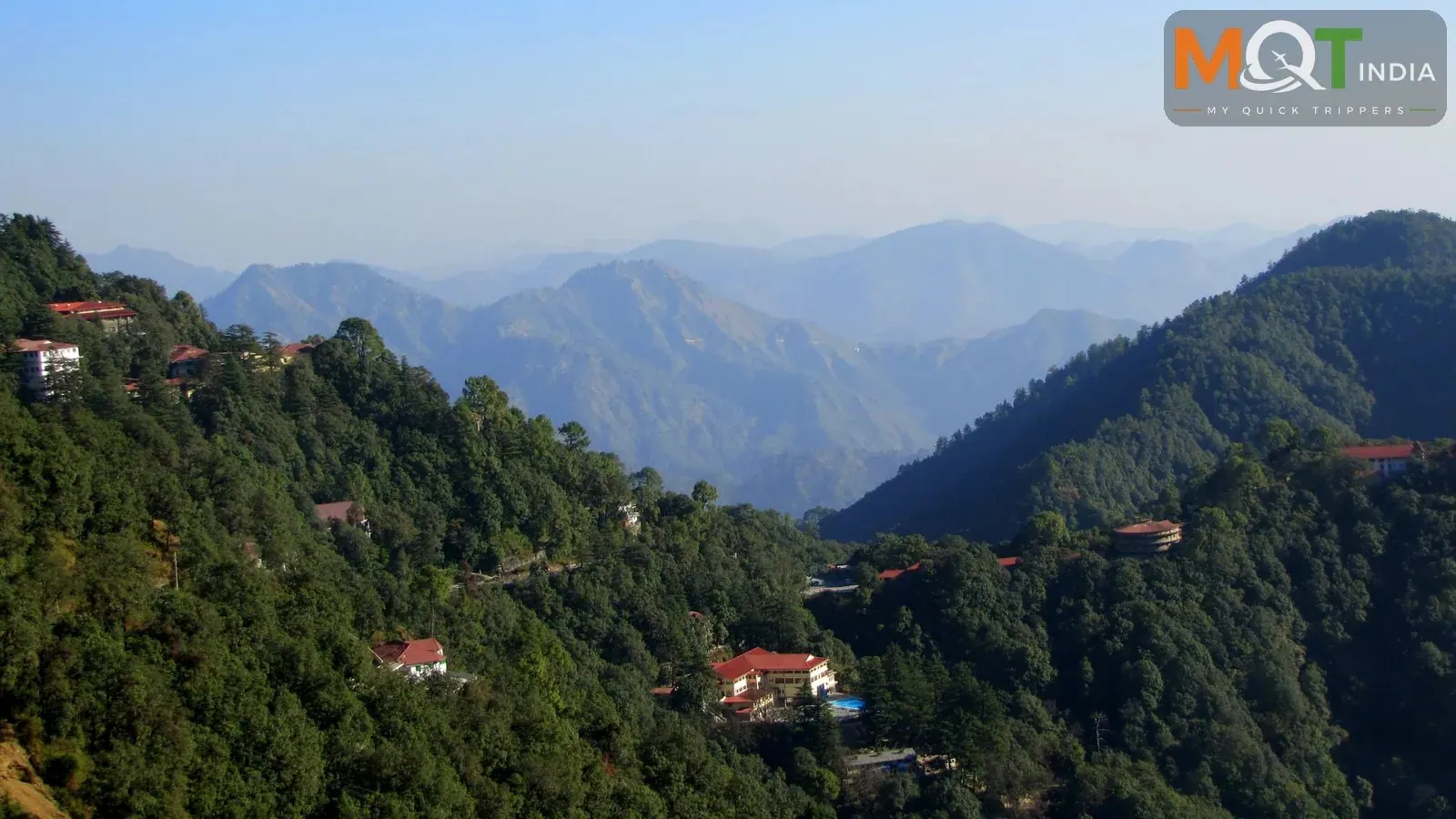
This Chopta Uttarakhand travel guide begins in a high meadow at 2,680 metres on the Ukhimath–Gopeshwar road, where the forest suddenly opens into rolling bugyals framed by the Chaukhamba, Trishul and Nanda Devi ranges. Unspoilt, uncrowded and impossibly green, it is the base for the Tungnath trek and one of the prettiest places in Uttarakhand that most tourists still haven't heard of.
This Chopta travel guide covers what makes the meadows special, the Tungnath–Chandrashila trek, the best time to visit, how to reach Chopta from Delhi and Haridwar, where to stay, nearby places like Ukhimath and Deoriatal, and a practical itinerary.
Why Chopta: Meadows, Forests and Himalayan Walls
Chopta's magic is its setting: a small cluster of dhabas and camps at the edge of vast alpine meadows, with dense rhododendron, oak and deodar forest on one side and an uninterrupted Himalayan panorama on the other. In spring (March-April), the rhododendrons bloom crimson across the hillsides; in summer the meadows turn emerald; in autumn they glow gold. Dawn here — mist lifting off the bugyals as Chaukhamba catches fire — is worth the entire journey.
Unlike commercialised hill stations, Chopta has no Mall Road, no traffic jams, no crowds — just the meadows, the trails and the mountains. It is the anti-Mussoorie, and travellers who discover it tend to become evangelists.
The Tungnath–Chandrashila Trek from Chopta
Chopta's fame rests on the Tungnath trek: 3.5-5 km to the world's highest Shiva temple at 3,680 metres, then 1.5 km more to the Chandrashila summit at 4,000 metres with its 360-degree panorama of Nanda Devi, Trishul, Chaukhamba and the Kedarnath range. Most trekkers do both in a 6-8 hour day trip from Chopta — see our detailed Tungnath trek guide for the full breakdown.
In winter (December-March), when the temple is closed and snow blankets the meadows, the Chopta–Tungnath trail becomes one of India's classic short snow treks — for equipped, guided groups only. The snow-covered bugyals with the peaks behind are a photographer's dream.
Best Time to Visit Chopta
March to June is the prime season: rhododendron blooms in March-April, green meadows and open temple May-June, pleasant trekking weather throughout. September to November is superb — post-monsoon clarity, golden meadows, crisp air, thin crowds. Many regulars rate October the finest month in Chopta.
July-August is monsoon: lush but wet, with leeches on forest trails and cloud-hidden views — avoid for the trek. December to February brings snow: beautiful but demanding, with limited stays open and the temple closed. For the classic Chopta experience (meadows + Tungnath + views), April-June and September-November are the windows.
How to Reach Chopta
Chopta lies on the Ukhimath–Gopeshwar road, about 30 km from Ukhimath. From Delhi: Delhi – Haridwar – Rishikesh – Devprayag – Srinagar – Rudraprayag – Ukhimath – Chopta, roughly 450 km — a 2-day journey with a night halt at Ukhimath, Srinagar or Rudraprayag. Nearest airport: Jolly Grant near Dehradun. Nearest railheads: Haridwar/Rishikesh.
Ukhimath is the practical base — the widest choice of stays, the winter seat of Kedarnath (Omkareshwar temple), and the last proper town before Chopta. Most travellers sleep at Ukhimath and drive to Chopta (45-60 minutes) for an early trek start. In winter, check road status — snow can close the final stretch.
Where to Stay in Chopta
- Chopta meadow camps and cottages: basic to comfortable camps right at the trailhead — book ahead in May-June; magical for stargazing.
- Ukhimath hotels and guesthouses: the widest choice, all budgets, 30 km from Chopta — the practical base for most trips.
- Duggalbitta and Baniyakund: small hamlets en route with homestays and camps, quieter than Chopta itself.
- Carry cash and a power bank — ATMs and charging are unreliable beyond Ukhimath; network is patchy at Chopta.
- Book May-June and Diwali-week stays well in advance; October-November usually has availability.
Nearby: Ukhimath, Deoriatal and Sari Village
Ukhimath's Omkareshwar temple — Kedarnath's winter seat — is worth a visit, especially in winter when the deity resides here. Deoriatal, a mirror-still lake at 2,438 metres near Sari village (about 30 km from Chopta via Ukhimath), reflects Chaukhamba perfectly on calm mornings — the 2.5 km trek from Sari is easy and the sunrise view is legendary. Sari village itself is the base for the Deoriatal–Chopta trek, a superb 2-3 day route connecting the lake to the meadows.
The combination — Deoriatal sunrise, Chopta meadows, Tungnath–Chandrashila — makes a perfect 3-4 day circuit from Ukhimath, one of the finest short Himalayan itineraries in Uttarakhand.
Camping in Chopta: Sleeping Under Himalayan Stars
Chopta's camps — ranging from basic alpine tents to comfortable Swiss cottages with attached baths — are the definitive way to experience the meadows: bonfires under absurdly starry skies, dawn breaking over Chaukhamba from your tent flap, and the Tungnath trail starting at your doorstep. Book through reputable operators; the good camps provide proper sleeping bags rated for sub-zero nights, hot meals and guided treks.
What to know: nights are cold year-round (near freezing even in May — carry thermals regardless of your camp's claims), charging points are limited (power bank essential), and the meadow camps have basic washrooms — set expectations accordingly. The luxury is the location, not the linen. For winter snow camping, go only with experienced operators and full winter gear.
Is Chopta safe for solo women travellers?
Yes — Chopta's camps and trails are considered safe, with many solo women travellers visiting each season. Choose reputable camps (check reviews), inform someone of your trek plans, avoid isolated trails after dark, and the standard mountain precautions apply. The Ukhimath–Chopta route is well-travelled in season.
What is the mobile network like in Chopta?
Patchy — BSNL and Jio work best, with signal at the main camp areas and intermittent coverage on the trails. Don't rely on mobile data for navigation; download offline maps. The limited connectivity is part of Chopta's charm — inform family of your plans and embrace the disconnection.
Frequently Asked Questions
Is Chopta worth visiting without the Tungnath trek?
Absolutely — the meadows themselves, the Himalayan views, the forest walks and the sheer tranquillity justify the trip. Many visitors come just to camp in the bugyals, watch sunrise over Chaukhamba, and breathe. The trek is a bonus, not a requirement.
How many days are enough for Chopta?
2-3 days: one for Tungnath–Chandrashila, one for the meadows and Deoriatal, with travel days on either side from Ukhimath. Add a day if you want the full Deoriatal–Chopta trek.
Is Chopta safe for families?
Yes — the meadows are gentle, the main trek is paved and busy in season, and the camps are family-friendly. Carry warm clothing (nights are cold year-round) and keep children close on the Chandrashila section, which is rockier.
Can I visit Chopta in winter?
Yes, for the snow experience — but go prepared: heavy snow gear, a guided group for any trekking, confirmed stays (many close), and flexible plans as roads can close. The snow-covered meadows are stunning; this is not a casual winter trip.
What is the mobile network like in Chopta?
Patchy — BSNL works best, others sporadically. Download offline maps, inform family of your plans, and embrace the disconnection. Ukhimath has reliable connectivity 30 km away.
Chopta is the Himalayas unplugged — no crowds, no noise, just meadows, forests and the great white wall of peaks. Walk the bugyals at dawn, climb to Tungnath, and sleep under more stars than you remembered existed. To plan Chopta with camps, treks and the Ukhimath circuit, chat with our travel experts on WhatsApp to plan this trip.
Share this article