Godavari Pushkaralu 2027: Dates, Ghats, How to Reach & Planning Guide
By My Quick Trippers · 20 Nov 2026
7 min read · Pilgrimage
Godavari Pushkaralu returns in 2027 — once in 12 years, on the scale of a Kumbh. From 26 June to 7 July 2027, Rajamahendravaram (Rajahmundry) in Andhra Pradesh becomes the centre of one of India's largest river congregations, with 373 ghats prepared across six districts and around 10 crore devotees expected over the 12 days. If you missed the 2015 Pushkarams, this is the next chance — the one after this comes in 2039.
This guide covers the confirmed 2027 dates, what Pushkaralu actually is, where the bathing happens, how to reach Rajamahendravaram, where to stay, and what to book before the crowds arrive. Everything dated here comes from the Andhra Pradesh government's announcements, reported by The Hindu and The Times of India. For 2027's other once-in-12-years gathering, see our Kumbh 2027 hub.
Godavari Pushkaralu 2027: the confirmed dates
The 2027 Godavari Pushkaralu runs 26 June to 7 July 2027 — 12 days. The dates were confirmed by the Andhra Pradesh cabinet sub-committee and Group of Ministers, with Chief Minister N. Chandrababu Naidu ordering works to start. Andhra Pradesh and Telangana are making joint arrangements, since the Godavari flows through both states and devotees will bathe on both banks.
- Main dates: 26 June – 7 July 2027 (12 days)
- Main centre: Rajamahendravaram (Rajahmundry), Andhra Pradesh
- Bathing: 373 ghats across six districts — East Godavari, West Godavari, Konaseema, Eluru, Kakinada and Polavaram
- Expected turnout: around 10 crore devotees over the 12 days
- Tent cities: Bridgelanka and Pichukalanka, near Rajamahendravaram
- Antya Pushkaralu (closing phase): 13–24 July 2028
The 12-day window is the heart of it. The opening and closing days draw the heaviest crowds, as with any river festival — if you want the bathing without the worst crush, aim for the middle days, and arrive at the ghats before dawn.
What is Pushkaralu — and why once in 12 years?
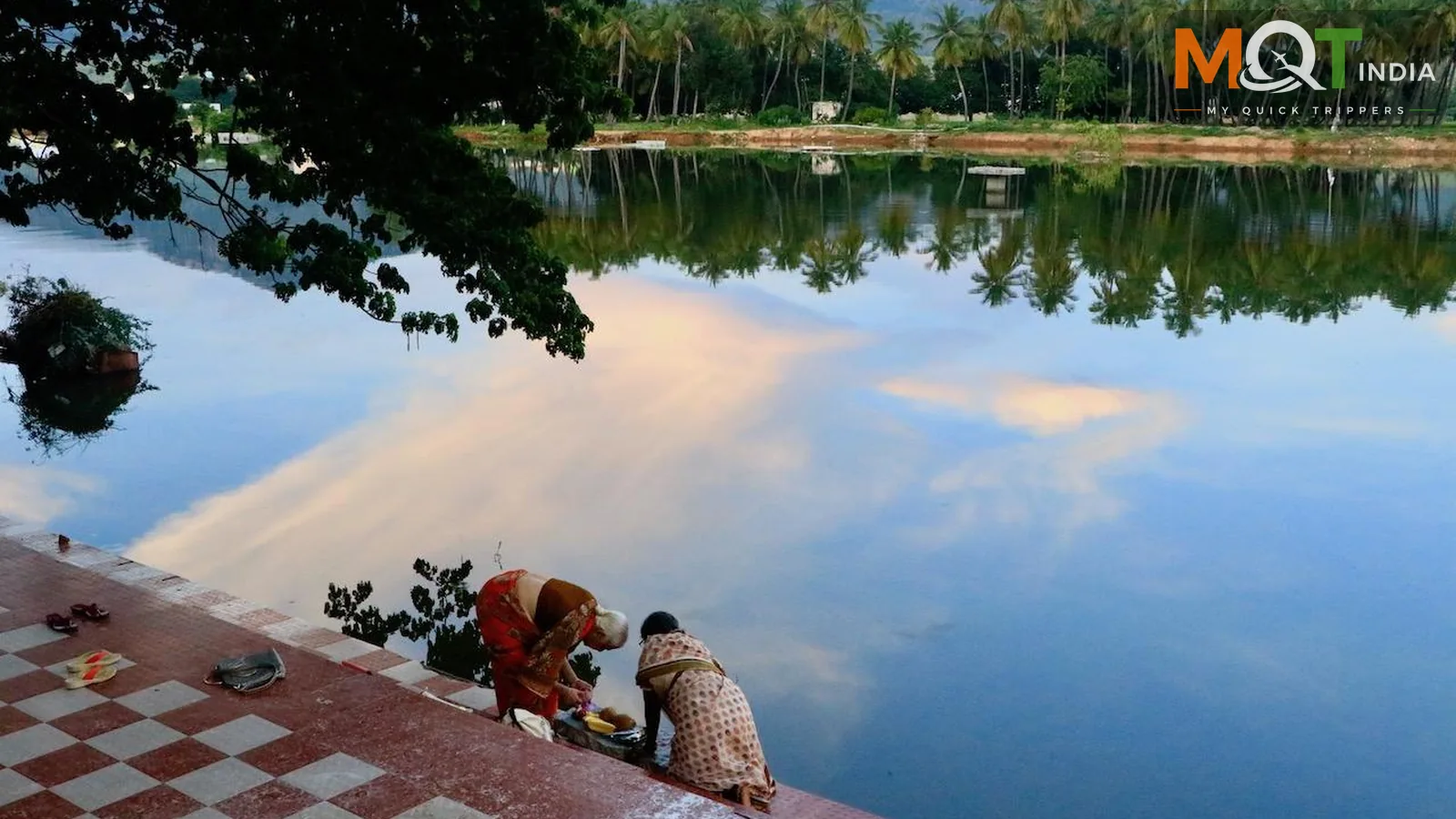
Pushkaralu (Pushkarams) is the festival of the river itself. Every 12 years, when Jupiter (Brihaspati) enters a particular zodiac sign, the river is believed to carry divine energy, and bathing in it during the 12-day window is held to wash away sins. Each of India's major rivers has its own 12-year cycle — the Godavari's turn comes in 2027. The scale is Kumbh-like: the last Godavari Pushkarams in 2015 drew crores of devotees, and the 2027 edition is being planned bigger, with tent cities and 373 ghats.
It is not a single-city fair. The bathing spreads along the Godavari through six districts, with Rajamahendravaram as the main centre. That spread is good news for travellers: the headline ghats will be packed, but the river is long, and the smaller ghats in Konaseema and the delta districts offer the same dip with a fraction of the crowd.
Where the bathing happens
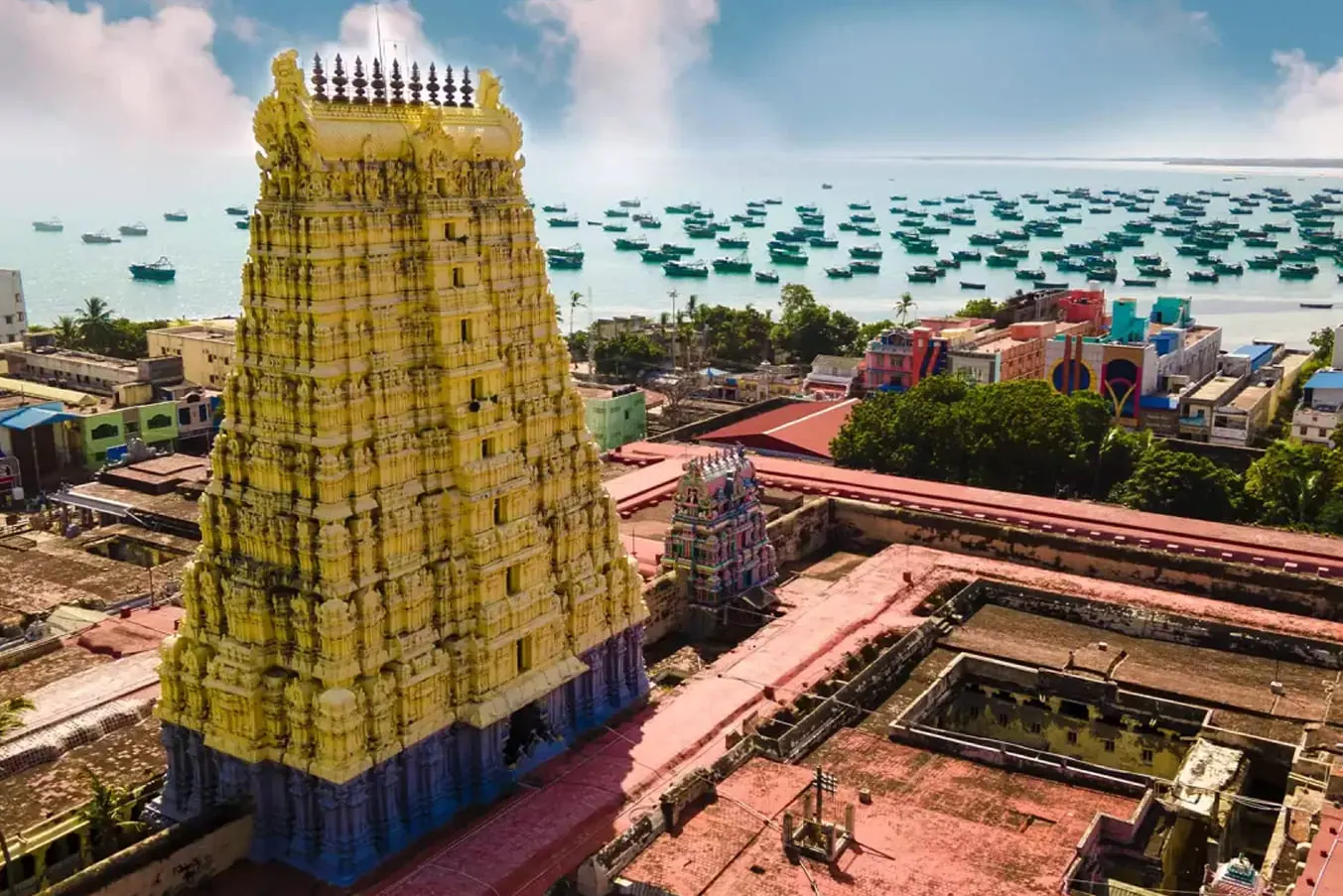
Rajamahendravaram is where the main Pushkar Ghat sits and where the state's arrangements concentrate — the tent cities at Bridgelanka and Pichukalanka, the main bathing ghats, the transport hubs. Expect the town to run at full capacity for the whole 12 days: hotels booked months ahead, roads controlled, and the ghats managed in batches on peak days.
Beyond the main town, the 373 ghats span East Godavari, West Godavari, Konaseema, Eluru, Kakinada and Polavaram districts. If Rajamahendravaram is full, look at the delta towns — the bathing is the same river, and the local temples and village fairs around the smaller ghats are often the more memorable experience. Telangana is organising its own stretch of the river as well, so the Telangana-side ghats are a genuine alternative, not an afterthought.
How to reach Rajamahendravaram
Rajamahendravaram is on the Chennai–Howrah main rail line, with direct trains from Hyderabad, Vijayawada, Visakhapatnam, Chennai and Kolkata. During Pushkaralu the railways run special trains — book the moment they open, because the regular trains will be full weeks ahead. The nearest airport is Rajahmundry Airport, with flights from Hyderabad and Chennai; Vijayawada airport is the wider alternative, a few hours away by road.
By road, Rajamahendravaram is on NH-16 (the Chennai–Kolkata highway). Driving in during the 12 days is possible but slow — the approach roads are controlled and parking is far from the ghats. The practical move is train in, local transport out: the state runs shuttle buses between the tent cities, the railway station and the main ghats.
Where to stay
Book now, not in June. Rajamahendravaram's hotels will sell out months ahead, and the tent cities at Bridgelanka and Pichukalanka are the state's answer to the overflow — basic but close to the ghats, and the sensible choice for a bathing-focused trip. Vijayawada and Kakinada are the fallback bases if Rajamahendravaram is full: both are a few hours away, with their own ghats nearby.
No 2027 tariff has been published for the tent cities as of November 2026 — anyone quoting a fixed tent price for Pushkaralu 2027 is guessing. Confirm rates only through the state's official channels when they open, and do not pay in advance to anyone claiming to sell 'official Pushkaralu tents' before the official booking window is announced.
Planning tips for the 12 days
- Bathe early: the ghats are calmest between 4 and 7 in the morning; the midday sun in late June in Andhra Pradesh is brutal.
- Carry water and sun protection: late June is hot and humid, and queues at the main ghats run long.
- Keep valuables minimal at the ghats: one small waterproof pouch, phone and cash only.
- Plan the middle days: 26 June and 7 July will be the most crowded; 29 June–3 July is the sweet spot.
- Pair the trip: the Godavari delta — Konaseema's coconut groves and village temples — is worth two extra days once the bathing is done.
- Watch the weather: the Pushkaralu window sits just before the monsoon sets in properly over coastal Andhra; carry rain cover even on sunny mornings.
Frequently Asked Questions
When is Godavari Pushkaralu 2027?
26 June to 7 July 2027 — 12 days, centred on Rajamahendravaram in Andhra Pradesh. The dates are confirmed by the Andhra Pradesh government.
How often does Godavari Pushkaralu happen?
Once every 12 years, when Jupiter enters the relevant sign. The last one was in 2015; the next after 2027 will be in 2039. A closing phase, Antya Pushkaralu, follows on 13–24 July 2028.
Do I need to register to bathe?
No compulsory pilgrim registration had been announced for Godavari Pushkaralu 2027 as of November 2026. The state manages crowds at the ghats directly. If a registration system is announced, it will come through the Andhra Pradesh government's official channels — not through resellers.
Which ghat should I bathe at?
The main Pushkar Ghat in Rajamahendravaram is the headline spot and the most crowded. The 373 ghats across the six districts offer the same river with far smaller crowds — the Konaseema and delta ghats are the practical choice if you want a calm dip.
Is it safe to take children and elderly parents?
Yes, with planning: pick a middle day, bathe at a smaller ghat, stay close to the tent cities or your hotel, and avoid the opening and closing days. The heat and the crowds are the real risks, not the river — carry water, keep to shaded rest points, and fix a meeting point in case anyone gets separated.
Share this article