Jim Corbett National Park: Safari Booking & Best Zones
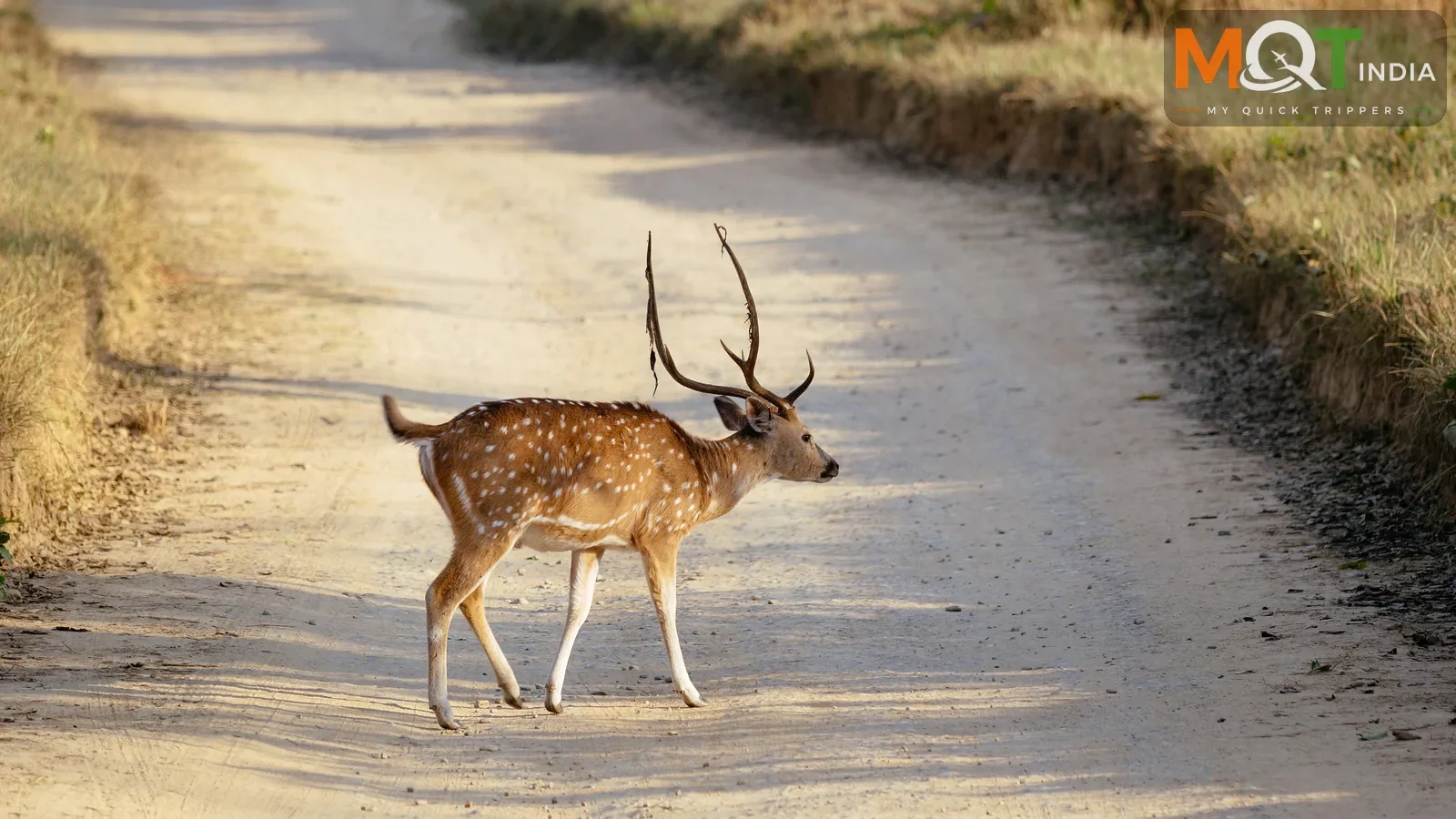
Jim Corbett safari booking is the gateway to India's oldest national park, established in 1936 — the country's most storied tiger country. Spread across the foothills of Uttarakhand around Ramnagar, its grasslands (chaurs), sal forests and the Ramganga river harbour Bengal tigers, leopards, wild elephants, and over 600 bird species. A Corbett safari is the classic Indian wildlife experience.
This guide decodes Corbett's safari zones — Dhikala, Bijrani, Jhirna, Dhela, Durga Devi and the rest — explains exactly how safari booking works, the best months for tiger sightings, how to reach Corbett from Delhi, and the practical tips that turn a good safari into a great one.
Understanding Corbett's Safari Zones
Corbett is divided into multiple tourism zones, each with distinct character, and your zone choice shapes your safari more than anything else. Safaris run twice daily — morning and afternoon — in open 4x4 Gypsies (6 passengers plus driver and guide) and, in Dhikala, larger Canters (16 passengers). All safaris must be booked in advance with ID proof; spot booking is unreliable in season.
Dhikala — the legendary core
Dhikala is Corbett's crown: the vast grasslands and Ramganga reservoir in the park's core, famous from wildlife documentaries. Day safaris here run by Canter from Ramnagar, while overnight stays at the Dhikala Forest Rest House (booked months ahead) allow multiple Gypsy safaris deep in tiger territory. Dhikala offers the finest landscapes and excellent tiger, elephant and bird sightings — but day-visitor numbers are capped, so book the moment your dates are fixed.
Bijrani — the tiger favourite
Bijrani's mixed forests and grasslands have a superb tiger-sighting record and are the most popular Gypsy zone after Dhikala. The zone opens mid-October and the early season (October-November) and late season (April-June) offer the best sightings. Forest rest houses inside allow night halts. If Dhikala is full, Bijrani is the zone to target.
Jhirna and Dhela — open round the year
Jhirna and Dhela, on the park's southern edge, stay open through the monsoon when other zones close — the only Corbett safari option from July to mid-October. Jhirna's terrain suits tiger and sloth bear sightings; Dhela is a newer, richly forested zone with good birding. Both are excellent monsoon-season choices.
Durga Devi, Garjiya and Sitabani
Durga Devi in the northeast is hillier, wilder and superb for birding, with elephants and the occasional tiger. Garjiya and Sitabani are buffer zones — easier to book, good for a relaxed wildlife outing, though tiger sightings are less frequent than in the core zones. The buffer zones also host nature walks and are less crowded.
How Safari Booking Works
Book through the official online portal of the Uttarakhand forest department — safaris open for booking roughly 45 days in advance, and Dhikala and Bijrani seats vanish within hours for peak dates (December-January, March-June weekends). You will need the full names, ages, genders and ID numbers of all passengers at booking; the same original IDs are checked at the entry gate, and mismatches mean no entry.
Each Gypsy takes 6 tourists plus the mandatory guide; costs include the vehicle, guide fee and per-person entry. Canter safaris to Dhikala are per-seat and cheaper. Book the morning safari for the best wildlife activity — animals are most active in the first three hours after sunrise. Our Corbett Nainital tour package from Delhi bundles safaris with stays and transfers.
Best Time to Visit Corbett
Mid-November to June is the main season, with the core zones (Dhikala, Bijrani) open roughly mid-November to mid-June. March to June is peak tiger-sighting season — the forests thin, water sources shrink, and tigers visit the remaining waterholes predictably — but it is hot (40°C+ in May-June). November to February offers glorious weather, misty grasslands and superb birding, with tigers sighted less frequently but the experience arguably more beautiful.
July to mid-October: only Jhirna, Dhela and the buffer zones operate; the park is lush, crowds are thin, and safaris are atmospheric, though tiger sightings are harder. Avoid planning around Dhikala in this period — it is closed.
How to Reach Corbett
Ramnagar is the gateway town, 260 km from Delhi (6-7 hours by road) on good highway. Ramnagar railway station has direct trains from Delhi, including overnight options — the train-plus-taxi combination is popular. The nearest airport is Pantnagar, about 80 km away, with limited flights; most flyers use Delhi. From Ramnagar, safari entry gates are 10-30 minutes by road depending on the zone.
Corbett pairs beautifully with Nainital (about 70 km from Ramnagar) — the classic Kumaon circuit is 2 nights Corbett plus 2-3 nights Nainital, covering wildlife and lakes in one trip.
Safari Tips That Actually Matter
- Morning safari, always — book the first slot; the 6-9 AM window is when Corbett comes alive.
- Wear muted earth tones (greens, browns, greys); bright colours and strong perfumes disturb wildlife.
- Carry binoculars — sightings often begin as a distant shape in the grass. A 200mm+ lens helps photographers.
- Silence is a strategy: the quietest Gypsies see the most. Listen for alarm calls of deer and langurs — they announce predators.
- Never insist the driver go off-track or crowd an animal; ethical sightings last longer and the forest department penalises harassment.
- Carry water, a cap and sunscreen; winter mornings need full woollens (open Gypsy at 5:30 AM in December is freezing).
- Tiger sightings are never guaranteed — enjoy the forest, the elephants, the birds and the light. The tiger is a bonus, not a right.
Beyond the Safari: Ramnagar and Corbett Falls
The safari is the headline, but the Corbett landscape offers more. Corbett Falls (25 km from Ramnagar) — a 20-metre cascade in dense teak forest — makes a pleasant picnic excursion, best post-monsoon. The Kosi river's banks near Ramnagar are lovely for evening walks and birding; the riverbed is where elephants often cross at dusk. Garjiya Devi temple, on a rock in the Kosi, is a revered local shrine with a lively fair during Kartik Purnima.
Ramnagar town itself is a functional gateway — stock up on supplies, cash and snacks here before heading to your resort, as options thin out toward the gates. The Corbett Museum at Dhangarhi (the former home of Jim Corbett) is a small, moving tribute to the hunter-turned-conservationist — worth 45 minutes for wildlife history buffs.
How do I book a night stay inside Dhikala?
The Dhikala Forest Rest House books through the forest department's online portal, opening roughly 45 days ahead — and the handful of rooms vanish within hours for peak dates. Night halts include multiple Gypsy safaris and the incomparable experience of the forest after dark (from the rest house veranda). Book the moment your dates are fixed; this is Corbett's most coveted reservation.
Frequently Asked Questions
Which Corbett zone is best for tiger sightings?
Dhikala and Bijrani have the strongest records, especially March-June. But tigers are wild and unpredictable — guides in Jhirna and Dhela find them regularly too. Zone choice improves odds; it never guarantees them.
How far in advance should I book a Corbett safari?
The day bookings open (about 45 days ahead) for Dhikala and Bijrani in peak season. For Jhirna/Dhela and buffer zones, 1-2 weeks is usually enough except on long weekends.
Can children go on safari?
Yes — children of all ages are allowed on day safaris, though the 3-4 hour duration and early start suit ages 5+. Carry snacks, water and warm clothing for winter morning safaris.
Is Corbett open in the monsoon?
Partially — Jhirna, Dhela and buffer zones operate year-round; Dhikala, Bijrani and Durga Devi close roughly July to mid-October. Monsoon safaris are lush and crowd-free but tiger sightings are tougher.
What should I do if we encounter a tiger on foot?
You will not be on foot — Corbett safaris are strictly vehicle-based, and alighting is prohibited except at designated rest areas. If a tiger approaches the vehicle, stay seated, stay silent and let the guide handle it; such encounters are the safari's greatest moments.
Corbett is where India's tiger conservation story began, and a misty morning in Dhikala's grasslands — elephants in the riverbed, a tiger's pugmarks fresh on the track — is worth every bit of planning. Book the zone early, take the morning safari, and let the forest decide the rest. To arrange safaris, stays and transfers for your Corbett trip, chat with our travel experts on WhatsApp to plan this trip.
Share this article