Jolly Grant to Kanatal Cab Services: Route, Vehicles & Booking Guide
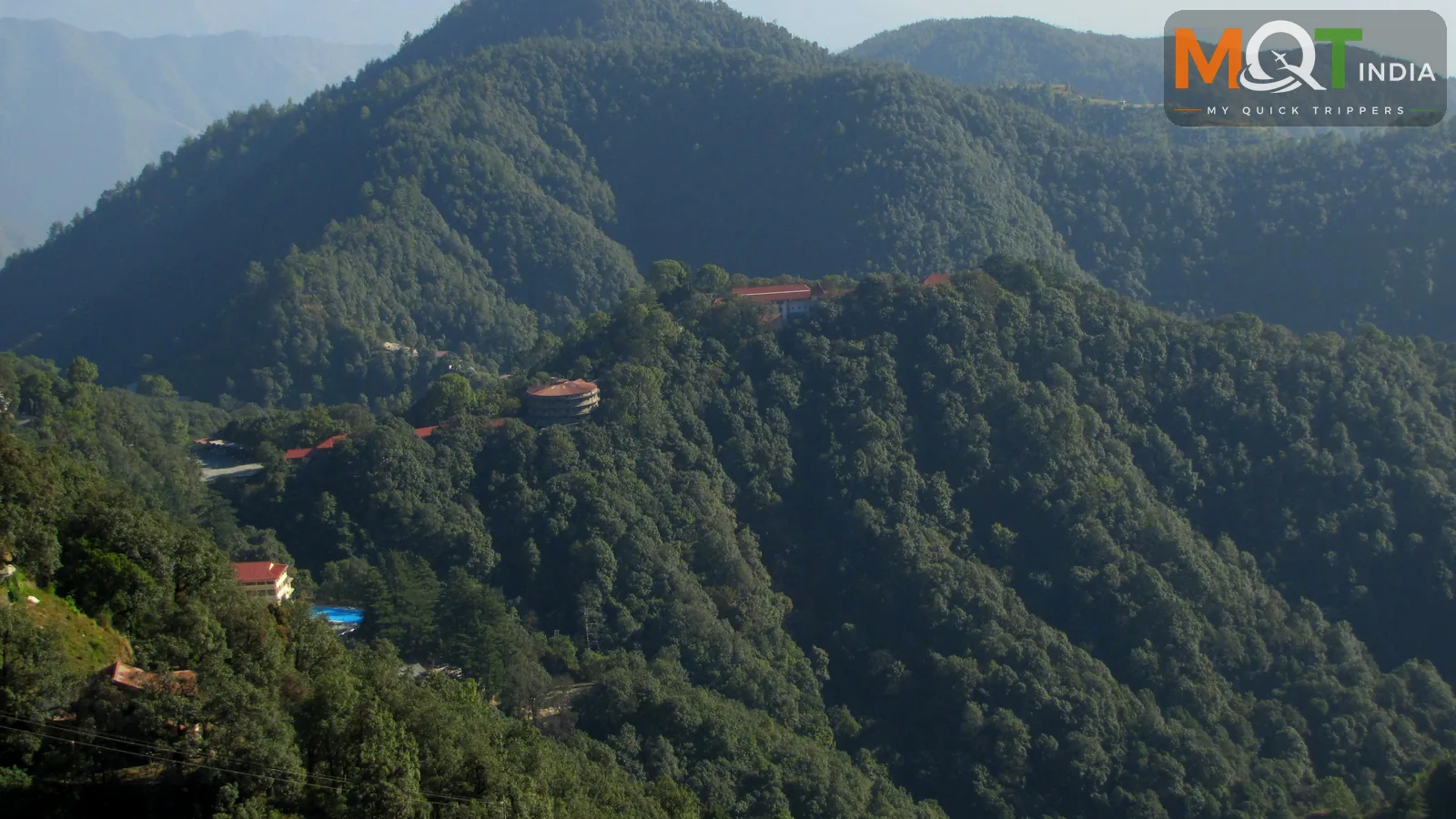
Kanatal is the quiet one — a small hill hamlet perched above the Tehri valley, far less crowded than Mussoorie and all the better for it. Getting there from Jolly Grant Airport is a proper little expedition: roughly 75 kilometres via Chamba, taking about two and a half to three hours on winding hill roads. Jolly Grant to Kanatal cab services are less standardised than the Dehradun or Mussoorie runs, which means fares vary more between operators and the quality of your booking matters more. There is no single published fare chart for this route that we could verify against multiple sources, so this guide does something more useful: it explains the route, why vehicle choice matters so much on this climb, how outstation billing works for a run this long, and exactly what to ask when you are collecting quotes — so you can recognise a fair fixed price when you hear one.
Kanatal sits at around 8,500 feet, wrapped in deodar and pine forest with sweeping views across to the snow peaks. Travellers come for the camps, the quiet, the Surkanda Devi temple trek nearby, and the apple orchards of the surrounding villages. Most visitors pair it with Dhanaulti or Tehri, and many arrive straight off a flight into Jolly Grant. Because the route climbs steadily for the second half, this is firmly SUV-and-Innova territory — and because it is a full-day outstation run for the driver, the billing logic is different from a short airport hop.
Jolly Grant to Kanatal Cab Services: The Route via Chamba
Your driver will leave Jolly Grant on the valley highway, pass through or around Dehradun, and then begin the long climb — the standard routing goes via Chamba, the busy hill town that serves as the gateway to this whole region. From Chamba the road to Kanatal winds through forest and small settlements, climbing steadily. The first half of the journey is fast highway; the second half is pure hill driving, with the usual accompaniments: blind bends, the occasional slow truck, and in monsoon, stretches where you will be glad of a confident driver.
The Chamba halt is worth knowing about even if you do not stop. It is the last proper market town before Kanatal, which makes it the natural place for a tea break, a fuel top-up, or picking up anything you forgot in the valley — snacks, medicines, or a warm layer if you underestimated mountain evenings. Good drivers on this route plan a short Chamba stop without being asked. If your itinerary continues to Dhanaulti, Surkanda Devi, or Tehri Lake, Chamba is also the junction where those branches split, so confirm your full route with the operator rather than just saying Kanatal and assuming the rest.
Road conditions through the year
The Chamba–Kanatal road is generally in decent shape, but it is a mountain road and behaves like one. Monsoon (July–September) brings the risk of debris and short hold-ups after heavy rain — not usually full closures on this stretch, but delays are possible and you should not schedule a tight connection (like a same-evening event) after a monsoon arrival. Winter brings clear, sparkling days and cold nights; frost on shaded bends in the early morning is the main caution, which is another argument for daytime travel. Spring and early summer offer the easiest driving of all. Travellers connecting onward to pilgrimage routes should check our Char Dham road updates for the wider region's seasonal picture.
Why an SUV or Innova Suits This Climb
On a 75-kilometre hill run, vehicle choice stops being about comfort and starts being about capability. The climb from the valley to Kanatal is long and sustained, and a small hatchback or an overloaded sedan will feel it: strained engine on the steeper grades, reduced braking confidence on the descents, and a cabin that gets warm and tired along with the car. An Ertiga-class SUV or an Innova handles the same road with power in reserve, better ground clearance for the occasional rough patch, and far more stable manners on the bends.
Luggage is the other half of the equation. Kanatal trips tend to be multi-day — camping gear, warm layers, camera equipment — and a sedan's boot fills up fast. Once luggage starts competing with passenger space, comfort collapses and safety margins shrink. For two travellers packing light, a sturdy sedan can manage in good weather; for three or more passengers, or any winter travel, step up to the SUV or Innova without hesitation. When you request quotes, name the vehicle class explicitly and ask the operator to confirm it in writing — vague promises of a good car have a way of becoming whatever is available on the day.
The driver matters as much as the car
A hill-experienced driver transforms this journey. Engine braking on long descents instead of riding the brakes, correct lane discipline on blind curves, unhurried patience behind slow vehicles, and the local knowledge to read weather building over the ridges — none of this comes from plains driving. When collecting quotes, ask each operator directly whether the assigned driver regularly runs hill routes. The confident, specific answer is what you want; hedging is your cue to call the next operator. This matters doubly after dark, which brings us to timing.
How Outstation Billing Works on a Run This Long
A Jolly Grant to Kanatal transfer is not priced like a city airport hop — for the operator, it is a full-day outstation commitment. Understanding the billing logic helps you compare quotes intelligently instead of just picking the lowest number. Most operators work with a per-kilometre rate subject to a minimum daily kilometre billing (commonly around 250 km for a full day), plus a driver allowance for the day, with tolls, parking, and state taxes charged at actuals.
What this means in practice: a one-way airport drop still consumes the driver's whole day, because the car must either wait or return empty. Some operators quote the one-way as a flat figure that already accounts for this; others build it from the kilometre math. Neither approach is wrong, but you need to know which one you are looking at to compare two quotes fairly. Always ask: is this quote all-inclusive, or are tolls, parking, driver allowance, and night charges extra? Get the answer in writing — a WhatsApp message from the operator counts — before you land.
What to ask when collecting quotes
- Which exact vehicle (make and class) is assigned, and is it confirmed or subject to availability?
- Is the quote all-inclusive — or are tolls, parking, driver allowance, and night charges extra?
- How is waiting time billed if my flight is delayed, and how much free waiting is included?
- Does the driver regularly run hill routes, and will the same driver do the return if I book one?
- What is the cancellation policy if my flight is cancelled or I change plans?
Get these answers from two or three operators and the fair quotes will cluster together — outliers in either direction deserve scepticism. A quote far below the cluster usually hides extras that appear later; a quote far above it is either a premium fleet or simple overpricing. Because no verified published fare exists for the Kanatal run, this comparison discipline is your price protection. Travellers budgeting a longer circuit can cross-reference our Haridwar to Char Dham taxi fare guide to understand how hill-route pricing scales with distance.
Best Season for the Kanatal Trip
Kanatal rewards timing. May and June bring clear skies, green forests, and the classic mountain-summer escape — this is also peak demand, so book your cab well ahead. The monsoon months turn the hills gorgeously lush but add the driving caveats covered above; if you travel then, keep plans flexible and the driver unhurried. October and November offer crisp air and superb mountain views with easier logistics than peak summer.
December and January are Kanatal's secret season for snow-seekers — the hamlet gets proper winter weather and occasional snowfall, the crowds vanish, and bonfire evenings are at their best. Winter travel demands the most from your booking: an SUV or Innova with good tyres, a hill-experienced driver, daytime travel, and warm layers packed where you can reach them. Whatever the season, avoid landing on an evening flight and driving up the same night unless you have no choice; a morning arrival that climbs in daylight is safer, more scenic, and far more relaxing. If you are building a wider Uttarakhand itinerary around the trip, our summer vacation in Uttarakhand guide helps sequence the hills sensibly.
“For Kanatal there is no reliable published fare — so the quote itself is the product. Judge the operator by the questions they answer, not just the number they give.”
Frequently Asked Questions
How far is Kanatal from Jolly Grant Airport?
About 75 kilometres via Chamba, taking roughly two and a half to three hours depending on traffic, weather, and how many tea stops you make. The second half of the journey is all hill road.
How much does a cab from Jolly Grant to Kanatal cost?
There is no verified published fare for this route that we could confirm across multiple sources, so we do not quote a number here. Expect full-day outstation billing to apply. Collect fixed all-inclusive quotes from two or three operators — specifying vehicle class, inclusions, and waiting-time policy — and compare them on identical terms.
What is the best vehicle for Jolly Grant to Kanatal?
An SUV (Ertiga class) or Innova is strongly recommended for the long climb, especially with three or more passengers, heavy luggage, or winter travel. A sedan can manage with two light packers in good weather, but the climb will be strained.
Is it safe to drive to Kanatal at night?
It is doable with a rested, hill-experienced driver and a well-maintained vehicle, but daytime travel is strongly preferred on this route — the long ghat section, possible frost in winter, and limited facilities all argue for climbing in daylight.
Should I book a one-way or round trip to Kanatal?
If Kanatal is part of a multi-day circuit (Dhanaulti, Tehri, Surkanda Devi), book the whole trip as one package with the same driver — it is usually better value and far more convenient than stitching one-ways. For a fixed weekend with return flights booked, a round-trip locks both legs at one negotiated rate.
When is the best time to visit Kanatal?
May–June for classic mountain summer, October–November for crisp views and easy logistics, December–January for snow and solitude. Monsoon is lush but needs flexible plans and an unhurried driver.
Book with MQT India
Kanatal is exactly the kind of route where the operator matters more than the price tag — and it is our home turf. MQT India will quote you a fixed, all-inclusive fare for Jolly Grant to Kanatal with the vehicle class confirmed in writing, a verified hill-experienced driver, and flight tracking so delays do not cost you extra. Tell us your dates, your group size, and your luggage situation, and we will recommend the right vehicle honestly. WhatsApp us at +91 81711 58569 or visit myquicktrippers.com for your fixed quote.
Sources
- DoonCabs — Dehradun airport taxi services and hill transfers
- GozoCabs — Dehradun Jolly Grant airport to Mussoorie hill taxi
- Oneway.cab — Jolly Grant airport taxi fares
- Jolly Grant Airport Taxi — Hill taxi fare breakdown reference
Share this article