Kanha Safari Booking Guide: Zones, Tiger Safari Tips and the Winter Season
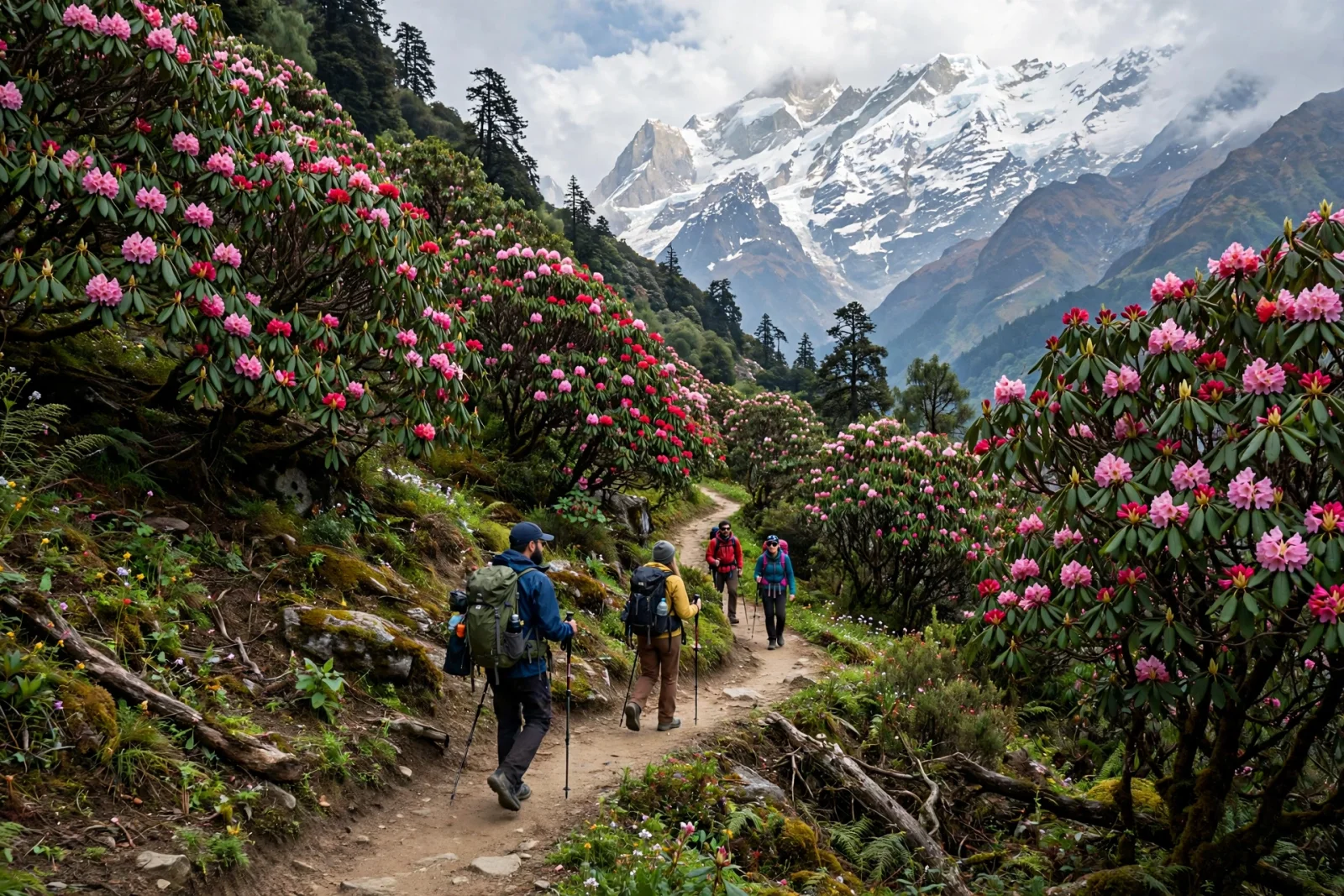
If there is one Indian jungle that lives up to its legend, it is Kanha. This is the sal-forest landscape that inspired Kipling's Jungle Book, home to the hard-ground barasingha found nowhere else on earth, and one of India's most reliable tiger reserves. But Kanha is also one of the most competitive safaris in the country to book: limited jeeps per zone, a strict advance-booking system, and winter weekends that sell out weeks ahead.
The good news is that the system is entirely transparent — once you understand the zones, the official MP Forest Department portal, and the timing strategy, booking a Kanha safari is straightforward. This guide walks through all of it, with the honest caveat up front: no safari anywhere can guarantee a tiger sighting, and anyone who promises one is selling you something.
Understanding Kanha's Zones
Kanha's tourism area is divided into core zones and buffer zones, and the distinction matters for both price and experience. The four core zones — Kanha, Kisli, Mukki and Sarhi — are the classic safari country: dense sal forest, the great meadows (maidans) where barasingha graze, and the highest density of tiger territory. Mukki and Kanha zones have the strongest reputation for tiger sightings; Kisli is the historic heart of the park; Sarhi is quieter, with long routes and a deep-wilderness feel that photographers love.
The buffer zones — Khapa, Khatia, Sijhora, Phen and others — surround the core, cost less, run with fewer jeeps, and still hold tigers, leopards, wild dogs and sloth bears. A smart first-timer's strategy: book at least one core-zone safari (Khatia gate for the Kanha/Kisli zones, or Mukki gate) and, if doing multiple drives, add a buffer safari for variety. Stay near the gate you will enter from — Khatia suits the Kanha/Kisli zones, Mukki gate the Mukki zone — because morning safaris start at dawn and a long pre-dawn transfer wastes sleep you will need.
How the Official Booking Works
All safari permits for Kanha are issued through the Madhya Pradesh Forest Department's official online portal at forest.mponline.gov.in — this is the only legitimate channel, and you should be deeply suspicious of any third party claiming 'confirmed permits' outside it. The process: register on the portal, select Kanha National Park, choose your date, zone and gate, pick jeep (private, up to 6 passengers) or canter (shared, larger vehicle), enter each visitor's details exactly as on their government ID, and pay online. Permits are non-transferable and non-refundable, and the ID you book with must be carried in original on safari day — forest staff check carefully at the gate.
Book 45–60 days ahead for winter weekends and holidays; weekday and shoulder-season slots are easier. A licensed forest guide is mandatory on every safari and is allotted at the gate — these naturalists are the difference between a drive and a safari, so listen to them.
“This is the sal-forest landscape that inspired Kipling's Jungle Book, home to the hard-ground barasingha found nowhere else on earth.”
Safari Timings and the Winter Season
Kanha runs two safari slots daily: morning (roughly 6:00–11:00 AM, with a slightly later start in deep winter) and afternoon (roughly 2:30–6:30 PM, starting earlier in winter). Timings shift with sunrise and sunset through the season, so confirm the exact slot when booking. The park is open October to June and closed July to September for the monsoon breeding season.
For the winter-season traveller, October to February offers the most pleasant weather — crisp mornings, lush post-monsoon forest, superb birding (over 300 species) — while March to June brings hotter days but the best tiger-sighting odds, as animals concentrate around shrinking waterholes. Winter mornings in central India are genuinely cold: the open jeep at dawn in January is no joke, so pack a heavy jacket, gloves, a woollen cap and a windproof layer. One recent change to note across all MP reserves: following a Supreme Court order of November 2025, night safaris were banned in every Madhya Pradesh tiger reserve from 1 December 2025 — Kanha's buffer night drives no longer operate, and only day safaris run now.
Realistic Sighting Expectations
Let's be honest about what a Kanha safari delivers. Kanha has a healthy, well-protected tiger population, and regular visitors do see tigers — but sightings are never guaranteed, and they are never evenly distributed. The forest decides.
What is guaranteed: the hard-ground barasingha grazing the meadows at dawn (a conservation success story — the subspecies was brought back from a few dozen animals), gaur herds, wild dogs on a lucky morning, jackals, jungle cats, and extraordinary birdlife. Many experienced safari-goers will tell you the forest itself is the sighting: sal canopy, alarm calls rippling through the meadow, a leopard draped over a branch. Book two or three safaris across different zones rather than betting everything on one drive — probability compounds, and each zone shows you a different forest.
Getting There
- Nearest airport: Jabalpur (around 160 km from the Khatia/Mukki side). Nagpur is a longer but workable alternative.
- Nearest railheads: Jabalpur and Gondia, with onward road transfers of 2–4 hours depending on your gate.
- By road, Kanha sits between Jabalpur and the Maharashtra border — most visitors arrive by pre-arranged cab from Jabalpur.
- Stay within 10–15 km of your safari gate. Resorts cluster around Khatia and Mukki; forest rest houses offer a basic, authentic alternative if booked early.
- Carry original photo ID for every passenger, exactly matching the booking. No ID, no entry — no exceptions.
Extending the Trip: The Central India Circuit
Kanha sits at the heart of India's best multi-park circuit, and travellers with 6–7 days should seriously consider pairing it. Pench lies roughly 200 km to the southwest — a half-day's drive — and shows you the teak forests of the Jungle Book country after Kanha's sal meadows. Bandhavgarh, about 250 km to the north, is the denser, more dramatic tiger country with its ancient fort hill.
The classic loop — fly into Jabalpur, safari Kanha (3–4 drives), drive to Bandhavgarh or Pench (2–3 drives), fly out — is how serious wildlife travellers do central India. If you'd rather add culture than more forest, Jabalpur's Bhedaghat marble rocks on the Narmada make a superb half-day detour on the way in or out. Whichever combination you choose, book each park's safaris separately on the MP portal — permits don't transfer between reserves.
Frequently Asked Questions
Which Kanha zone is best for tiger sightings?
The Kanha and Mukki core zones have the strongest sighting reputation, with Kisli close behind. But tigers move across the whole landscape — buffer zones like Khapa also produce sightings with far fewer jeeps. No zone guarantees anything; book across two zones for the best odds.
How far in advance should I book a Kanha safari?
Book 45–60 days ahead for winter weekends, Christmas–New Year and other peak dates. Core-zone jeeps are limited and sell out. Weekday safaris in October, early November and late June are much easier to get.
What is the official website for Kanha safari booking?
The Madhya Pradesh Forest Department portal at forest.mponline.gov.in is the only official channel. Avoid third-party sites that charge markups or claim guaranteed permits — permits are issued only through the state portal.
Are night safaris available at Kanha?
No. Following the Supreme Court's November 2025 order, night safaris were banned across all Madhya Pradesh tiger reserves from 1 December 2025. Only morning and afternoon day safaris operate now — a change confirmed by the state's forest department and widely reported, including Bhaskar English's coverage of the ban.
What should I wear on a winter morning safari?
Proper winter gear: a heavy jacket, thermal layers, gloves, a woollen cap and a windproof outer layer. An open jeep at 6 AM in January in central India is brutally cold, and you will be stationary for long stretches while watching. Neutral colours (olive, khaki, brown) are the forest norm.
Sources
- MP Forest Department — forest.mponline.gov.in
- Bhaskar English — Bhaskar English's coverage of the ban
- MP Tourism — Kanha National Park & Tiger Reserve
Share this article