Kedarnath Trek: Distance, Route & Preparation Tips
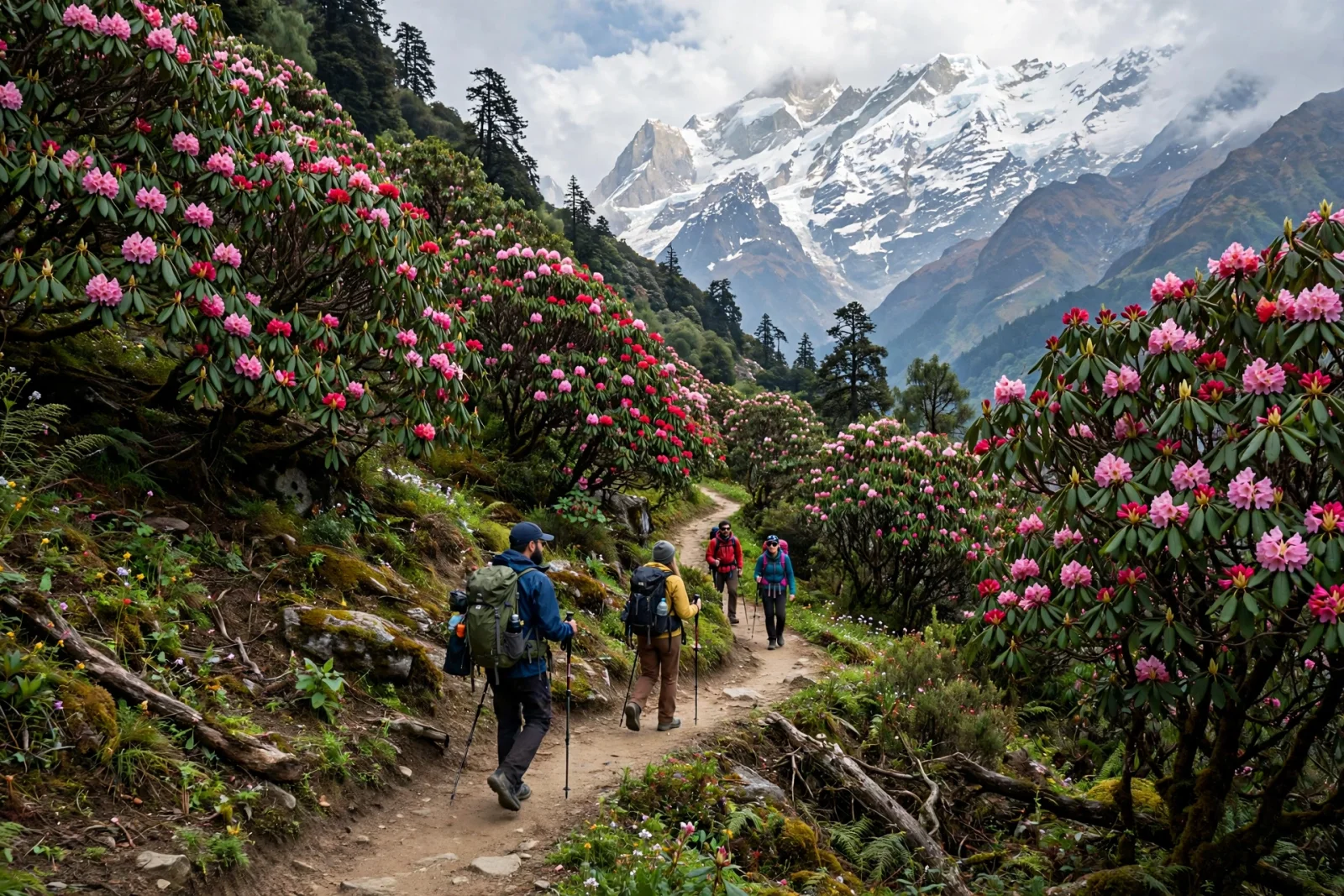
The Kedarnath trek is the defining physical challenge of the Char Dham Yatra — around 16 kilometres from Gaurikund to the temple, climbing roughly 1,200 metres to an altitude above 3,500 metres. Every season, lakhs of pilgrims walk it, from teenagers to grandparents. This guide tells you exactly what the route looks like, how long it takes, how to prepare your body, and what to do if walking the whole way is not for you.
Think of this as the practical companion to our Kedarnath Yatra 2027 guide: less about the legend, more about your legs, lungs, backpack and boots. Get these details right and the trek becomes the memorable part of your yatra rather than the ordeal.
Kedarnath Trek: Distance and Route Overview
The trek begins at Gaurikund, the road-head where vehicles stop, and follows a paved, well-marked path to Kedarnath temple — around 16 kilometres one way. Key milestones along the route include Jungle Chatti (about 4 km), Bheembali (about 7 km), Linchauli (about 11 km) and the Kedarnath base camp area near the end. The path was comprehensively rebuilt after the 2013 floods with retaining walls, paved sections, rain shelters, drinking water points and medical posts.
Expect 6 to 8 hours for the ascent and 4 to 5 hours for the descent, depending on fitness, crowd levels and weather. The first half is a steady climb through forest and open hillside; the final stretch from Linchauli opens into the high valley with the temple and the Kedarnath peak suddenly in view — the moment that makes the entire effort worthwhile.
How Difficult Is the Kedarnath Trek?
It is a moderate-to-challenging trek, not because of technical terrain — the path is paved and non-technical throughout — but because of the combination of distance, continuous ascent and altitude. At 3,500-plus metres, the air holds noticeably less oxygen; pilgrims from the plains often feel breathless on climbs that would be easy at sea level. Anyone with cardiac, respiratory or blood pressure conditions should get medical clearance before attempting it.
The honest benchmark: if you can walk 8-10 kilometres on rolling terrain at home without distress, you can complete this trek with pacing and rest stops. If climbing three floors leaves you winded, start training 4-6 weeks ahead — or plan from the outset to use pony, palki or helicopter support. There is no shame in it; the yatra is about darshan, not suffering.
Preparing Your Body: A 4-Week Fitness Plan
Weeks 1-2: build the base
Walk 4-5 kilometres daily at a brisk pace, and add stair climbing — 10 to 15 minutes of continuous stairs, building toward 30 minutes. Include basic leg strength work: squats, lunges and calf raises, three sessions a week. Break in your trekking shoes now, not on the mountain.
Weeks 3-4: add load and distance
Extend walks to 7-10 kilometres with a loaded daypack of 5-7 kg, mimicking what you will carry. Do one long stair session per week of 45 minutes. Practice walking on consecutive days — the descent the morning after the ascent is when untrained legs suffer most. If possible, do a weekend hike with real elevation gain.
Final week and on the mountain
Taper in the final week: light walks only. On the trek, follow the mountaineer's rule — start slow, slower than you think necessary, and speed up only if you feel strong after Bheembali. Hydrate constantly, eat at the dhabas along the route, and take the free medical screening at Sonprayag seriously. Altitude sickness symptoms — headache, nausea, dizziness — mean stop, rest and descend if they worsen.
What to Carry on the Trek
- Daypack (20-30 litres) with rain cover — porters are available at Gaurikund if you prefer to offload it.
- Layered clothing: thermals, fleece, windproof and waterproof outer shell, woollen cap, gloves, extra socks.
- Sturdy trekking shoes with ankle support and broken-in soles; avoid brand-new footwear.
- Raincoat or poncho, regardless of the month — mountain weather turns without warning.
- Headlamp or torch for pre-dawn starts, sunglasses for snow glare, sunscreen and lip balm.
- Water bottle (1-2 litres; refill at stalls), energy bars, dry fruits, glucose, basic personal medication.
- Registration slip, photo ID, cash (no ATMs on the trek), fully charged phone and power bank.
- Walking stick — available cheaply at Gaurikund and genuinely helpful on the descent.
Alternatives to Walking: Pony, Palki and Helicopter
Ponies and mules are hired at Gaurikund from official counters with displayed, regulated rates — avoid touts. The ride takes about 4-5 hours up. Palkis (palanquins carried by four porters) are the standard option for senior citizens and those who cannot ride; book at the official counter and confirm the full route price before starting. Both options get extremely busy in May and June, so arrive at Gaurikund early in the day.
Helicopter shuttles from Phata, Sersi and Guptkashi fly to Kedarnath in minutes, with same-day return or overnight options. This is the most comfortable choice for elderly pilgrims and anyone short on time — our Kedarnath Yatra by Helicopter package and the Badrinath Kedarnath Yatra from Delhi helicopter options cover these sectors with darshan assistance.
Altitude and Acclimatisation on the Kedarnath Trek
Gaurikund sits around 1,980 metres and the temple above 3,500 — you gain serious altitude in a single day, which is why even fit trekkers feel the thin air. The standard advice: spend a night at Guptkashi or Sonprayag (2,000-2,700 m) before trekking, hydrate aggressively from the day before, avoid alcohol entirely, and keep your pace conversational — if you cannot talk while walking, you are going too fast.
Know the warning signs of altitude sickness: persistent headache, nausea, unusual fatigue, dizziness or breathlessness at rest. Mild symptoms often ease with rest, water and a slower pace; worsening symptoms mean descend immediately — the medical posts at Bheembali, Linchauli and the base camp have oxygen and trained staff. Discuss preventive medication with your doctor before the trip, not on the mountain. The trek is absolutely doable — it just demands the respect that 3,500 metres deserves.
Should I trek up and down in one day?
Only if you are genuinely fit and started before dawn — it is a 12-14 hour, 32-kilometre effort at altitude. For most pilgrims, the overnight at Kedarnath is far better: you get the evening aarti, the dawn darshan, and a descent on rested legs. The mountain will still be there in the morning.
Frequently Asked Questions
What time should I start the Kedarnath trek?
Start by 4-5 AM at the latest. An early start gets you ahead of the pony traffic, gives you the coolest walking hours, and puts you at the temple by early afternoon — leaving time for darshan, rest and the evening aarti before night temperatures drop.
Is the Kedarnath trek safe at night?
Walking the trek at night is strongly discouraged. The path is unlit in stretches, temperatures fall sharply, and medical posts thin out. Plan to be at Kedarnath or back at Gaurikund before dark; if you are delayed, stop at Linchauli or Bheembali shelters.
Are there toilets and food on the trek route?
Yes — the rebuilt route has toilet blocks, dhabas, tea stalls and rest shelters at regular intervals, plus drinking water points. Carry your own water bottle anyway and eat light, frequent meals rather than one heavy stop.
Can I do the trek in one day?
Fit pilgrims routinely trek up and down in a single very long day, but it makes for an exhausting 10-14 hour effort with little time at the temple. Staying overnight at Kedarnath is strongly recommended — the evening aarti and dawn darshan are the spiritual heart of the yatra.
What is the network connectivity on the trek?
Patchy to absent beyond Gaurikund. Inform family of your plan in advance, carry a power bank, and do not depend on live location sharing. Medical and police posts along the route have communication for emergencies.
Train for it, start at dawn, pace yourself, and respect the altitude — the Kedarnath trek is entirely achievable for the prepared pilgrim. And if walking is not in your plan, the pony, palki and helicopter options exist precisely so that everyone can have darshan. To match the trek, stays and support to your fitness and dates, chat with our travel experts on WhatsApp to plan this trip.
Share this article