Kedarnath Yatra Budget Breakdown: Trek, Helicopter, Stay & Food Costs
By My Quick Trippers · 20 Oct 2026
8 min read · Pilgrimage
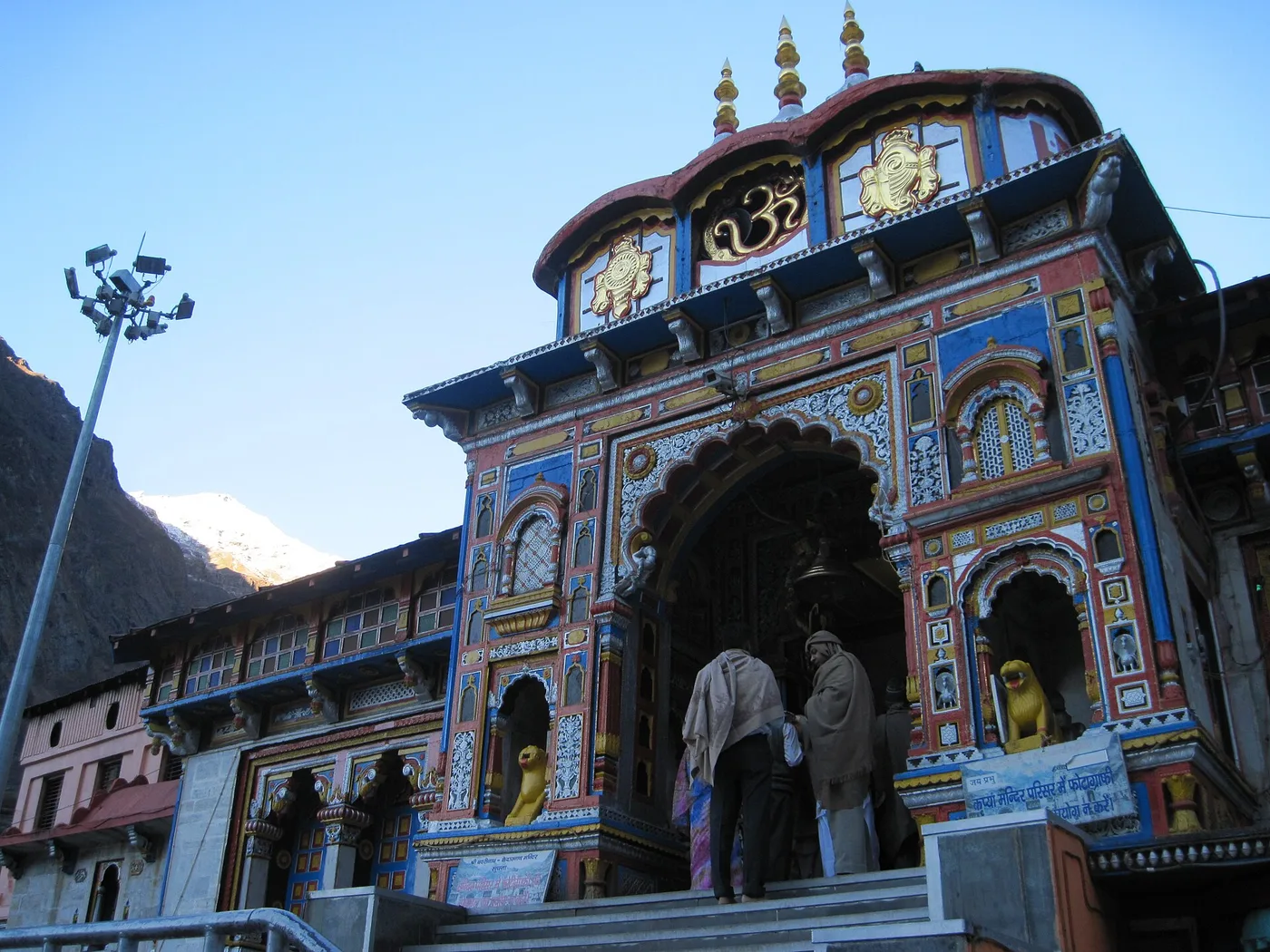
Kedarnath is the most demanding and the most rewarding of the Char Dham shrines, and it is also the one where budgeting goes wrong most often, because the famous 16-kilometre trek from Gaurikund hides a string of small costs that add up fast. This Kedarnath Yatra budget breakdown walks through every cost head, from reaching Haridwar to the final darshan, with approximate ranges and the honest caveats that apply to Himalayan travel: prices vary by season, demand and availability, and the 2027 yatra dates are awaited and not yet announced, so confirm current rates before you book. The broad picture is reassuring. Kedarnath can be done on a modest budget if you trek, stay in basic accommodation and travel in a group, and it can also be done in considerable comfort if you take the helicopter and stay in the better hotels at Guptkashi and Phata.
What matters is deciding which kind of yatra you want before you leave, because the expensive decisions are the ones made in a hurry on the mountain. If this is your first Kedarnath trip, read our Kedarnath Yatra 2027 planning guide alongside this budget breakdown, and complete the formalities explained in the Char Dham registration and documents guide before you travel.
Getting There: Haridwar to Gaurikund
Most pilgrims start from Haridwar or Rishikesh, and the road journey to Gaurikund, via Rishikesh, Devprayag, Rudraprayag and Guptkashi, typically takes two days with an overnight halt, because mountain driving is slow and the route deserves an unhurried pace. A shared bus or tempo traveller seat is the cheapest option, while a private vehicle for a family costs more but lets you stop at Devprayag, where the Alaknanda and Bhagirathi meet to form the Ganga, and at other viewpoints without a timetable. Fuel, driver charges and the overnight stay at Guptkashi or Sitapur are the main items here, and travelling as a group of four to six splits the vehicle cost nicely. Book the vehicle and the halt stay in advance during peak weeks, since Guptkashi fills quickly and late bookings push you into costlier rooms or further halts.
From Guptkashi, the road continues to Sonprayag, where private vehicles stop and pilgrims transfer to local shuttles for the short run to Gaurikund, the trek base. Keep this transfer in mind when budgeting time as well as money: it is a small fare, but on crowded days the queue can take a while. If you are combining shrines, our Badrinath Dham Yatra 2027 guide explains how Kedarnath fits into the wider circuit, and the Kedarnath tour packages page shows bundled options that include this entire approach journey.
The Trek: What It Costs on Foot
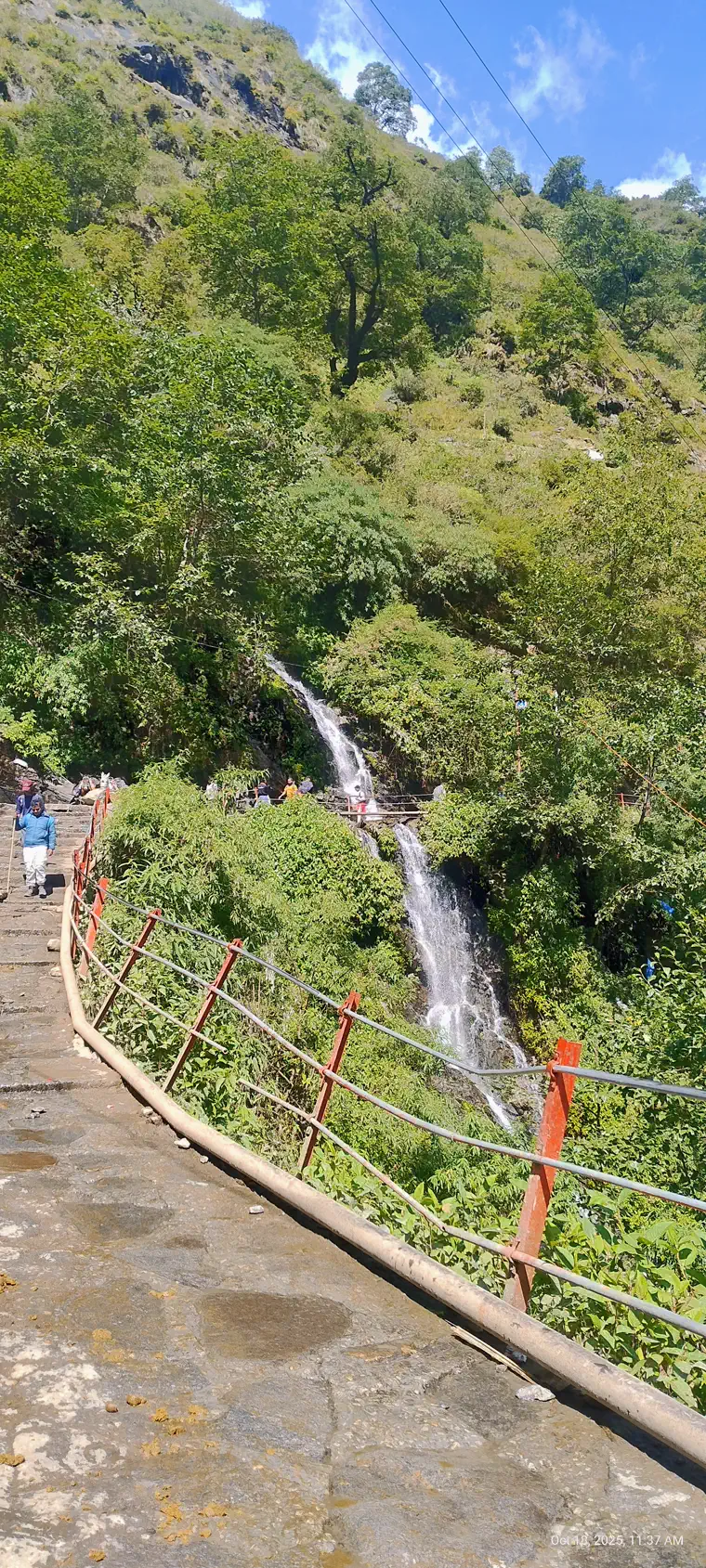
The trek from Gaurikund to Kedarnath is about 16 kilometres of steady climbing, and most pilgrims take six to eight hours, with stops at Jungle Chatti, Bheembali and Linchauli for tea, snacks and rest. Walking costs nothing, but everything around the walk has a price: food and water at the trail stalls cost more than in the plains because supplies are carried up, and a walking stick, rain cover and gloves bought at Gaurikund are worth every rupee if the weather turns. Ponies and palkis are available for pilgrims who cannot walk the full distance, and their charges vary with demand, season and the distance covered, rising sharply on crowded days, so agree the fare and the destination, whether Linchauli or the temple itself, before starting, and keep cash ready, since digital payments on the trail are patchy at best. Porters for luggage are similarly priced by negotiation.
A practical tip that saves both money and discomfort: travel light, leave the main bag at Guptkashi or Sonprayag, and carry only a small daypack with warm layers, medicines, water and documents up the trail. Elderly pilgrims should honestly assess the trek, since the altitude at Kedarnath is around 3,500 metres and the climb is sustained; the helicopter is a genuine alternative, not a luxury, for those who need it. For trekkers who want more after Kedarnath, the Chopta and Tungnath trek guide covers a shorter, gentler Himalayan trek in the same region.
Helicopter, Stay and Food: The Big Three
The helicopter shuttle, operating from Phata, Guptkashi and Sirsi when weather permits, is the single largest optional expense on a Kedarnath yatra, charged per person for the round trip, with one-way options sometimes available. Book through official or authorised channels only, beware of touts selling fake tickets at base towns, and build a buffer day into your plan, because flights are routinely delayed or cancelled by cloud and wind, and a cancelled flight means either waiting or trekking. Stay at Kedarnath itself is basic and in high demand: dormitories, GMVN rest houses, camps and a limited number of guesthouse rooms, with prices at their highest in peak weeks, so many pilgrims trek up in the morning, take darshan, and return the same day to avoid the night halt altogether, which is strenuous but saves a night's cost.
Staying at Guptkashi or Sitapur the night before and after is generally cheaper and more comfortable. Food is simple vegetarian fare throughout, inexpensive at base towns and dearer on the trail and at the shrine, and temple prasad and bhandara meals at Kedarnath are part of the experience for many pilgrims. Add up transport, stay, food, trek support if needed, and a contingency for delays, and you have a realistic per-person total; then compare it with a bundled option on the Kedarnath tour packages page, which may work out cheaper once you add the pieces yourself. The Panch Kedar Yatra guide is useful context if you are considering the wider Shiva circuit, though those treks need a separate budget and fitness plan.
One honest comparison before you fix your budget: budget operators advertise Kedarnath trips from about ₹8,500–₹10,500 per person, usually for a group of four sharing budget hotels and a shared vehicle. That figure buys the basics — and it does not include the helicopter shuttle, pony or palki, the Sonprayag–Gaurikund jeep, or meals beyond the basics. Arranged trips cost more because the private car, checked hotels, meals and on-ground coordination are bundled in. Compare any quote line by line — transport, stays, meals, registration help, darshan assistance — before you decide which number is actually cheaper. Our Kedarnath tour packages list what is included so you can do that comparison directly.
Money-Saving Tips That Actually Work
Travel just after the opening rush, when the weather is still good but the crowds and prices have eased, and you will feel the difference in both queues and room rates. Travel in a group to split vehicle costs, and share rooms where the stay allows it. Book stays and vehicles early rather than negotiating at the base town, where your bargaining power is lowest. Carry cash in smaller notes for the trek, but keep the bulk of your money secure and avoid flashing large sums. Eat at busy dhabas, carry snacks and a refillable bottle from the base town, and buy rain gear and warm layers in Haridwar or Rishikesh rather than at Gaurikund, where the same items cost more. Register for free through the official system, as described in our Char Dham registration guide, and do not pay agents for registration itself.
Keep one buffer day and a small emergency fund for weather delays, because a forced extra night is far cheaper when it is planned than when it is a panic booking. And before you leave home, pair this budget with a Haridwar and Rishikesh two-day itinerary to acclimatise gently and visit the ghats, which makes the mountain leg easier and the whole yatra more enjoyable. Kedarnath rewards preparation more than spending: pilgrims who plan the budget honestly, trek at their own pace, and keep a buffer for the mountain's moods come back with the same darshan as everyone else, and with money still in their pockets.
What to Pack and When to Go
Packing for Kedarnath is about layers and weight: thermal innerwear, a fleece, a waterproof jacket, woollen cap and gloves, sturdy trekking shoes with good grip, sunglasses and sunscreen for the high-altitude sun, a small first-aid kit with your regular medicines, and a power bank, since charging points on the trail are scarce. Carry your registration printout, photo ID and any medical certificate in a waterproof pouch, and keep snacks like dry fruits and energy bars in your daypack, since the trail stalls, while welcome, are spaced out and busy. The best time for most pilgrims is May to June and September to October, when the weather is relatively stable and the trail is fully open, while July and August bring monsoon rain and a higher risk of landslides, and the yatra closes for winter, with the deity moving to Ukhimath, as the winter seat tradition describes.
If you are trekking, start from Gaurikund early in the morning, ideally before sunrise, so you reach Kedarnath with daylight to spare, and pace yourself with regular breaks rather than racing the first kilometres, which is where most pilgrims exhaust themselves. Remember that darshan queues can be long on auspicious days, so a night halt at Kedarnath, despite the basic facilities, gives you a calmer morning darshan, while a same-day return suits fit pilgrims who start very early. Either way, Kedarnath rewards those who respect the mountain: walk steadily, drink water often, and let the yatra unfold at its own pace.
Share this article
Comments
Related Posts
Budgeted the trip? See the arranged version.
View: Kedarnath Yatra Tour Packages