Kinnaur in Winter: Kalpa, Sangla and the Honest Truth About Chitkul
By My Quick Trippers · 26 Oct 2026
10 min read · Destination Guides
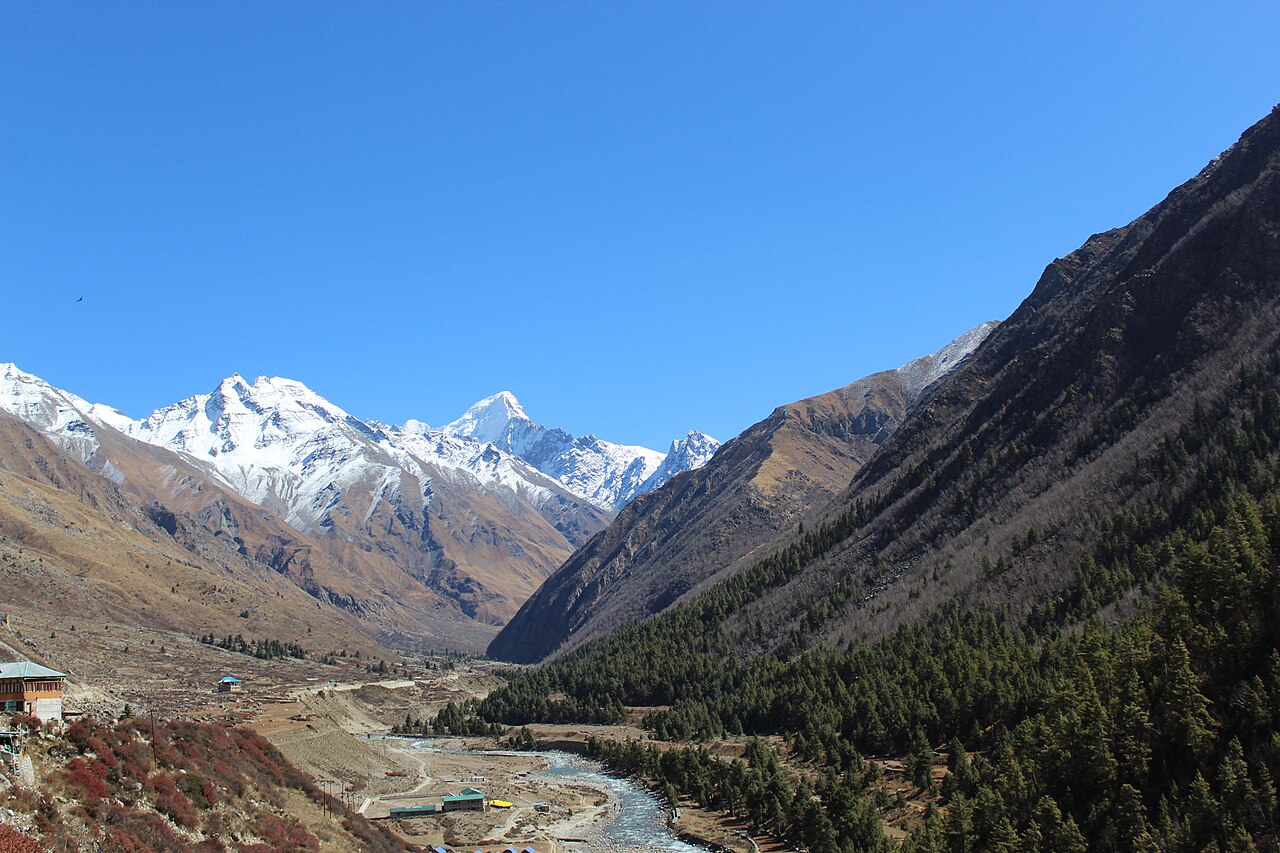
Kinnaur in winter is one of the most beautiful and most honestly difficult trips in Himachal Pradesh: snow on the Kinner Kailash range above Kalpa, empty roads, apple orchards under frost, and villages settling into their quietest season. It is also a trip where the wrong expectations cause real trouble, because winter here means possible road closures, thin services, sub-zero nights and one famous destination — Chitkul — that is usually unreachable in peak winter at all. This guide is written for the traveller who wants Kinnaur between November and February and wants the truth about what is open, what is closed, and what to check before leaving Shimla.
Last verified: 26 October 2026. Road and access facts below follow Kinnaur winter guides re-checked in October 2026: the Sangla-to-Chitkul road typically closes by mid-December and reopens in March, while Reckong Peo and Kalpa usually stay reachable through most winters. Road status is a live check, not a promise: a single heavy snowfall can close a stretch for days, and no guide, including this one, can guarantee a road on your dates.
The honest winter map: what is open and what is not
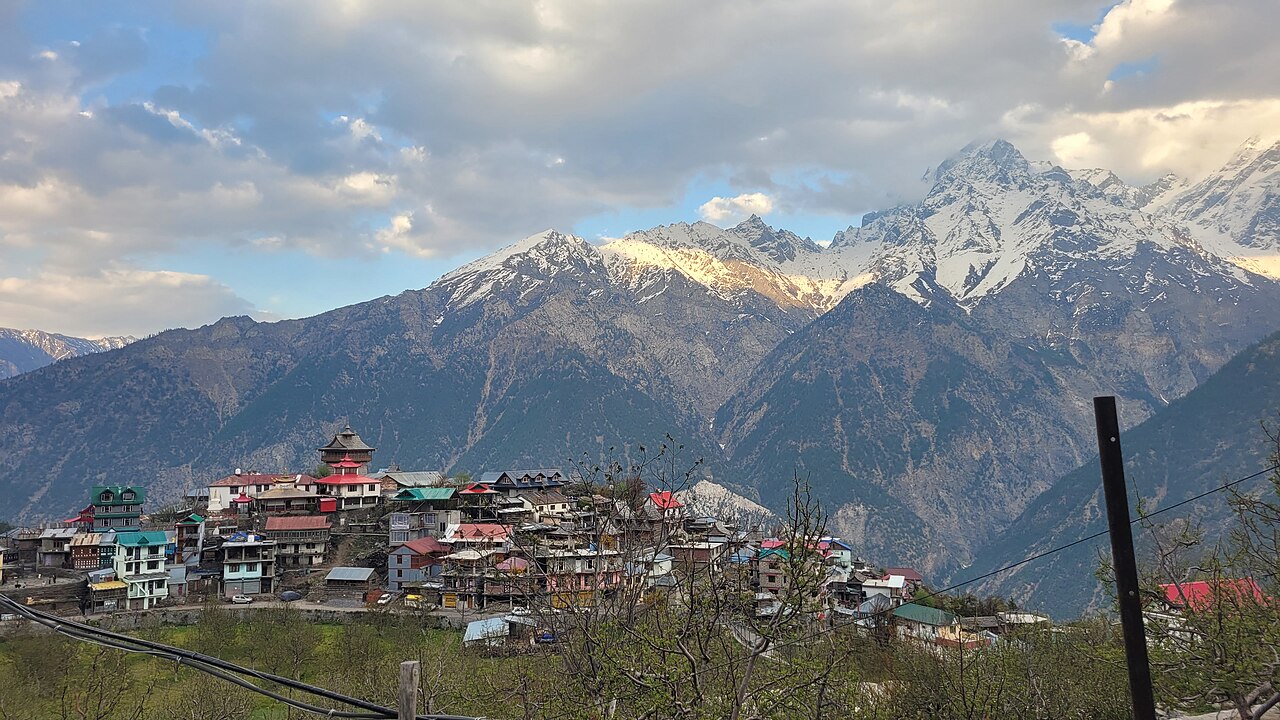
Think of winter Kinnaur in three zones. The first zone, reliably reachable in most winters, is the road up the Sutlej valley to Reckong Peo, the district headquarters, and Kalpa above it, famous for its sunrise and sunset views of the Kinner Kailash range. The second zone, reachable with care and buffer days, is Sangla and the Baspa Valley: usually accessible through winter, but with the explicit warning that roads may close for days after heavy snow, so any Sangla plan needs spare days built in. The third zone is Chitkul, the last inhabited village on the Indian side near the border, at roughly 3,450 metres: its road from Sangla typically closes by mid-December due to heavy snowfall and does not reopen until March, the villagers themselves migrate to lower elevations for winter, and the hamlet is virtually cut off in peak winter. Planning a January night in Chitkul is planning around a road that is normally closed.
That three-zone map should decide your itinerary, not your wish list. A winter trip that anchors on Kalpa and Sangla, treats Chitkul as a bonus only if the road is open when you are there, and keeps two buffer days for closures is a good plan. A winter trip that promises Chitkul in January, or that schedules a tight onward connection the day after a mountain drive, is a plan built on hope. The route itself is the old Hindustan-Tibet Road, NH5, from Shimla through Narkanda, Rampur and Karcham to Sangla and on to Reckong Peo and Kalpa, with the Karcham-to-Sangla stretch rough in patches even in good conditions. Winter adds ice, narrow snow-cleared lanes and short daylight to that route, so a confident mountain driver matters more than a powerful car.
Photo above: the Baspa Valley near Chitkul, with snow peaks above the river — Smathur910, CC BY-SA 4.0 (via Wikimedia Commons). In peak winter this valley road is normally closed; the photograph shows the landscape, not a promise of access.
Winter warnings, stated plainly
- Road closures are normal, not exceptional: after heavy snow, stretches can stay closed for days. Keep at least two buffer days in any winter Kinnaur plan, and check road status the morning you travel, not the week before.
- Chitkul access is not guaranteed in peak winter: the Sangla-to-Chitkul road typically closes from mid-December to March. Do not book a non-refundable Chitkul night for January or February, and do not plan to be stranded there if the road closes overnight — guides explicitly warn that a road open on arrival can close behind you.
- Rooms are not uniformly heated: do not assume central heating or even a warm room. Ask each host directly what heating the room has, whether hot water is reliable in sub-zero nights, and whether the property stays open through your dates at all — many village stays close or run with skeleton services in deep winter.
- Cold is serious: winter temperatures run from around minus 5 to minus 15 degrees Celsius at higher points, and Chitkul itself can drop to minus 20. Layers rated for sub-zero nights, a windproof outer, warm gloves, a cap and insulated footwear are not optional extras.
- Cash and connectivity thin out: there is no reliable ATM in Sangla itself, with the nearest ATMs at Reckong Peo, roughly 42 kilometres away. Carry enough cash for your whole Sangla stay, and do not rely on UPI alone at small village shops.
- Daylight is short and driving after dark is unwise: mountain roads, ice and unlit stretches mean early starts, early arrivals, and no night driving on unfamiliar roads.
Permits, and the one border rule to know
Indian nationals do not need an Inner Line Permit for the standard Kinnaur circuit from the Shimla side — Sarahan, Sangla, Chitkul and Kalpa are all covered by that position, and Chitkul is the last village civilians can visit without a special permit. Beyond Chitkul toward the border, the area is controlled and restricted, and tourists do not go there. Foreign nationals face a different position: zones closer to the Tibet border may need a Protected Area Permit, so foreign travellers should check with the SDM office in Shimla or Reckong Peo for the current requirement before travel. Whatever your nationality, carry a government photo ID throughout the trip.
A sensible winter shape: Kalpa and Sangla in a week
A winter Kinnaur circuit typically takes seven to eight days from Delhi, with five days as an absolute minimum, and the shape below is the honest version of it. The first leg is Delhi to Shimla and on to Narkanda or Rampur, breaking the climb rather than driving the whole mountain road in one push. The second leg follows the Sutlej to Karcham and up to Sangla, with a day held spare for the Baspa Valley and, only if the road is open, a day trip to Chitkul and back to Sangla the same day — never an overnight in Chitkul in deep winter. The third leg is Sangla to Reckong Peo and Kalpa, with two nights at Kalpa for the Kinner Kailash views, the village lanes, and a buffer day against closures. The return reverses the route to Shimla, again with a spare day rather than a tight connection. Sangla itself rewards two to three days in normal conditions — the town, a riverside walk, and Kamru Fort — but winter compresses what is sensible into shorter, warmer days, and that is fine: winter Kinnaur is about light, snow and quiet, not about ticking off a list.
- Delhi to Shimla and Narkanda: break the climb, acclimatise to the cold, and check the road ahead before leaving Shimla.
- Narkanda to Sangla via Rampur and Karcham: the Sutlej valley leg, with the rough Karcham-to-Sangla stretch driven in daylight.
- Sangla and the Baspa Valley: riverside walks, Kamru Fort, and a Chitkul day trip only if the road is confirmed open that morning.
- Sangla to Kalpa via Reckong Peo: stock up on cash at Reckong Peo, then two nights at Kalpa for the Kinner Kailash views.
- Buffer day at Kalpa or on the return: the day that saves the trip when snow closes a stretch.
- Return to Shimla in daylight, with no tight onward connection the same evening.
What to pack for a Kinnaur winter
Pack for minus 5 to minus 15 degrees at height, and colder still if you reach Chitkul's altitude in early winter. That means thermal base layers, a fleece or insulated mid-layer, a windproof and waterproof outer, insulated gloves, a warm cap, sunglasses for snow glare, sunscreen, lip balm, and sturdy waterproof footwear with grip for ice. Add a headlamp for early-dark evenings and any power cuts, a power bank, basic medicines, and snacks and water for days when a closure keeps you in one place longer than planned. If your vehicle is your own, carry snow chains or socks where advised, check tyres and coolant for sub-zero running, and keep the fuel tank topped up: fuel stops thin out beyond Rampur, and a closure can turn a half tank into a problem.
One more honest note, because winter guides often skip it: winter Kinnaur is not for casual tourists. The same sources that praise its snow are explicit that it suits snow lovers and prepared travellers, not visitors expecting full services, warm rooms everywhere and guaranteed access. If that sounds like a warning rather than an invitation, it is meant to be both — and the travellers who love winter Kinnaur most are the ones who arrived expecting exactly these conditions. For the valley in its easier seasons, our Kinnaur Valley travel guide and the Himachal Pradesh destination guide cover the April-to-October circuit in depth.
Frequently asked questions
Can I visit Kinnaur in winter?
Yes, with careful planning. Reckong Peo and Kalpa usually stay reachable through most winters, and Sangla is usually accessible too, but roads can close for days after heavy snow. Keep buffer days, check road status daily, and do not drive mountain roads after dark.
Is Chitkul reachable in winter?
Usually not in peak winter. The Sangla-to-Chitkul road typically closes by mid-December and reopens in March, and the village is largely empty in deep winter as residents move lower. Treat a winter Chitkul visit as a bonus only if the road is confirmed open on the day — never as a guaranteed overnight.
Do Indian nationals need a permit for Kinnaur?
No Inner Line Permit is needed for the standard circuit from the Shimla side, including Sangla, Chitkul and Kalpa; carry a government photo ID. Foreign nationals should check Protected Area Permit requirements for border zones with the SDM office in Shimla or Reckong Peo.
How cold does Kinnaur get in winter?
Expect minus 5 to minus 15 degrees Celsius at higher points, and as low as minus 20 at Chitkul. Ask every host directly about room heating and hot water before booking, because village rooms are not uniformly heated.
How many days do I need for winter Kinnaur?
Seven to eight days from Delhi is the typical winter circuit, including buffer days for closures; five days is the minimum. A trip without buffer days is the single most common winter Kinnaur mistake.
Planning a winter Kinnaur trip and want the road and stay position checked for your dates? WhatsApp us on +91-8171158569 with your dates and group size, and we will confirm what is open before you commit — or request an itinerary and tell us whether Chitkul is a must or a bonus for you.
Share this article