Linguda Recipes: Sabzi, Aloo and Pickle from the Monsoon Hills
By My Quick Trippers · 12 Nov 2026
9 min read · Food & Cuisine
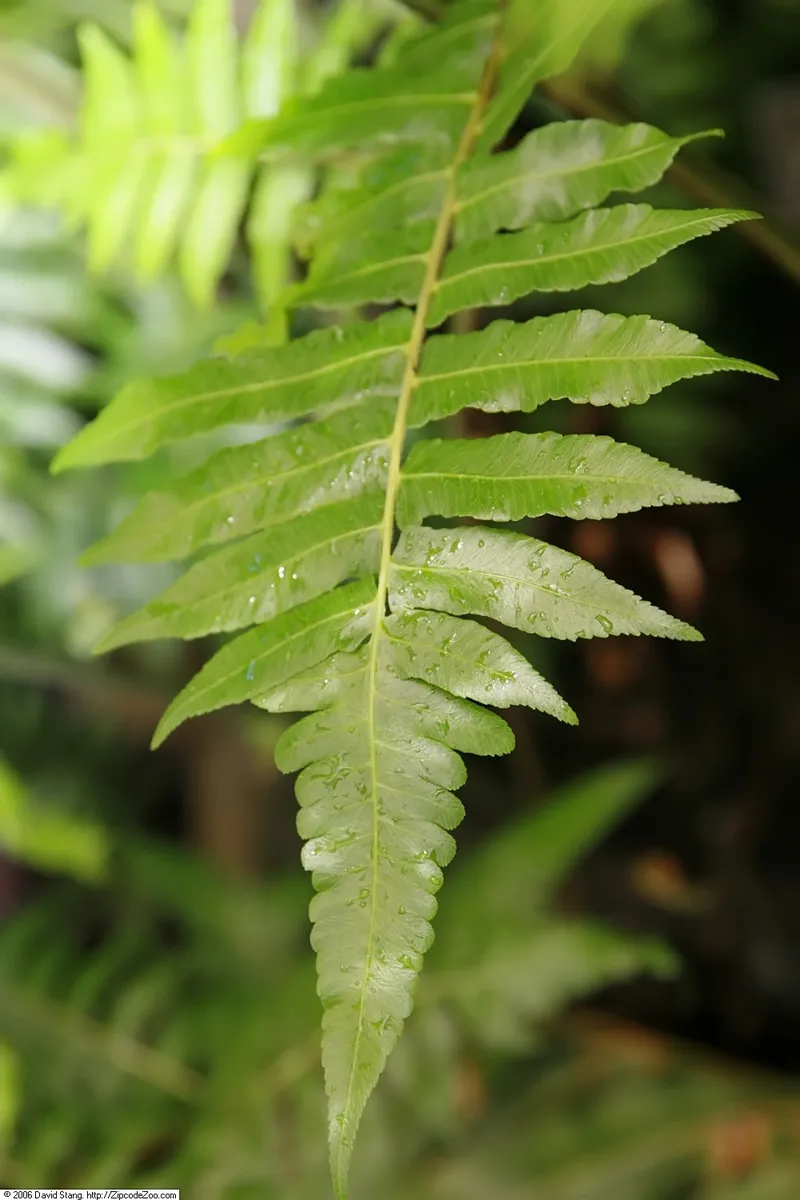
In the monsoon, the hills turn green in a different way. Along the stream banks and in the moist forest, the ferns uncurl — and the first thing they offer is linguda, the fiddlehead fern, the young coiled frond of a wild edible fern, gathered by hand and cooked the same day. Our first post told the story of that green: what linguda is, when it grows, and why it is always cooked, never raw. This post is the cooking: the three dishes hill households make with it — the sabzi, the aloo, and the pickle that keeps the monsoon flavour for the months after the season.
One rule comes before all three recipes, and it is the same rule the first post carried: linguda is always cooked, never raw. The recipes below all start the same way — washed, boiled until tender, drained — and only then cooked into the dish. This post makes no health claims and gives no nutrition numbers. What follows is about the washing, the boiling, the tempering and the jar.
First: the safety rule
Never eat linguda raw. Fiddlehead ferns must be cooked thoroughly — boiled or steamed until tender — before eating, and the rule holds for every dish in this post. Start by cleaning the coils: pick through them and remove the brown papery scales and any grit from the forest floor, and cut them into small pieces, the way you would cut beans. Wash them well — scrub them with both hands, twice if they are dirty — and then boil them in plenty of salted water until tender, about ten minutes with the lid on, until the coils have softened and the stickiness has gone. Drain them, and only then cook them into the dish. Do not taste them raw while you cook, and do not serve them undercooked. The boil is not a suggestion and it is not a shortcut to skip: it is the step that makes a wild green safe to eat.
The same care holds at the buying end. Pick only the tight coil, while it is still curled and tender, before the frond unfurls into a mature leaf — a frond that has unfurled is no longer linguda, it is a fern leaf, tough and inedible. The coils are gathered in the early morning, while they are still tight, by the people who know where they grow, and they are cooked the same day: a picked coil wilts within a day or two, and it does not travel well. That short life is why the season is short, why the pickle matters, and why the recipes below are all written for the day of the gathering.
Linguda aloo: the classic
The classic dish is linguda aloo, and it is the first recipe to learn. Take the boiled coils and the potatoes together: the potatoes go into the pot so that both finish at the same time, soft and ready for the tempering. Heat mustard oil in a pan, add jakhiya — the wild mustard seed of the hills, the tempering of Garhwali cooking — with garlic, ginger and dried red chilli, and let the spices crackle. Add the boiled linguda and the potatoes, toss them in the tempering until they are coated and heated through, and season with salt. Serve it hot with mandua roti or rice, and eat it the same day: like the coils themselves, the dish does not keep.
The aloo is there for two reasons, and both matter. The first is the pot: potatoes give the dish its body, so that a small gathering of coils feeds a whole table. The second is the flavour: the mild, green, earthy taste of linguda takes the tempering it is cooked with, and the potato carries the jakhiya and the chilli the way the coil alone would not. Some households cook it with onion and tomato as well, making an onion-tomato masala and topping it with the boiled coils; the classic stays simpler, and the choice is the cook's. Either way, the sequence never changes: wash, boil, drain, then temper. The tempering is the flavour; the boil is the safety.
Linguda sabzi: the everyday side
As a sabzi on its own, linguda is cooked the same way — boiled first, then tempered — and eaten as a side with dal and rice. The everyday version is a simple stir-fry: mustard oil in the pan, onion and green chillies sautéed until golden, the boiled coils stirred in and cooked for ten to twelve minutes until everything is mixed and cooked through, and a pinch of amchoor — dry mango powder — sprinkled over the pan before switching off the flame, for a spicy-sour lift that makes the sabzi irresistible. A chopped tomato goes in with the onion if the household likes it that way, and a little turmeric colours the pan. Serve it hot with rotis or parathas, or beside dal and rice as the green on the plate.
The sabzi is the dish that shows what linguda tastes like, because there is so little in the way: the coils are sweet like asparagus, grassy and nutty like green beans, with a fibrous texture like a broccoli stem, and the tempering is the only flavour they carry. That mildness is why the dish works as a side rather than a main — it sits beside a dal and a rice, the green note on a plate of stronger flavours, and it is the reason hill households gather it at all. A vegetable that tasted of nothing would not be worth the walk to the stream bank; linguda tastes of the monsoon forest, mildly, and the sabzi is the way to taste it.
Linguda pickle: the monsoon in a jar
The third dish is the pickle, and it is the one that outlasts the season. Fresh linguda keeps for a day or two; the pickle keeps for the months after the monsoon, and it is the shippable form of the hills' wild greens, the way kandali is sold as dried tea. The method is the method of the hill pickles: peel the skin of the ferns with light hands and cut them into small pieces, then blanch them in boiling water with a little turmeric powder. Spread them out to dry, and once they are dry, mix in the spices — salt, red chilli powder, mustard seed powder and turmeric — with mustard oil, and pack the pickle into a glass jar.
Then the sun does the work. Keep the jar in sunlight until the mustard seed powder ferments and the sourness comes — the mustard, the chilli and the turmeric binding the coils in the coats they were fermented in, the way the fiddlehead pickle of the hills has always been made. Once the required sourness is achieved, the pickle is ready: serve it with chapati, a spoonful beside steaming rice and dal, and taste the monsoon months after the season has gone. A jar of linguda pickle is the monsoon kept — the coils gathered in May, eaten in December, and the reason the gathering is worth doing at scale while the coils are there.
Names across the hills
Linguda is one green with many names, and the names are a map of where it is eaten. In the Kullu valley of Himachal it is lingri, in Kangra lungdu, in Chamba and Jammu kasrod; in Garhwal it is lingdu or languda, in Kumaon kaaron or limbra; in Sikkim and Nepal it is niyuro, in Assam dhekia xak, and in Tripura muikhonchok. The names change at every valley, but the vegetable is the same — the young coiled frond, gathered in the monsoon, cooked the same way — and the recipes in this post are the recipes of all those names at once. A kasrod ka achar in Jammu, a lingri ka achaar in Kullu and a linguda pickle in Garhwal are the same jar, and the sabzi is the same pan.
The season calendar
Linguda's season is May to September, the monsoon months, and that season is the whole story of buying it. In November, when this post is written, the season is over: the coils have unfurled, the forest has moved on, and there is no fresh linguda to buy. The store lists it as coming soon, with no price yet, and that is the honest listing for a monsoon vegetable out of season. If you want linguda, wait for the rains; if you want the flavour out of season, the pickle is the jar to buy. The calendar is the dish: sabzi and aloo in the monsoon, pickle for the months after, and the waiting in between.
Buying linguda
Linguda is listed in our Pahadi Store as coming soon, seasonal from May to September, with no price yet. There is no price in this post because there is no price on the listing yet — check the store page when the monsoon returns, and do not pay any price quoted anywhere else until the store lists it. Fresh linguda is perishable, so when it does go on sale it will be sold in season, while the harvest lasts — and when it does, the recipes in this post will be ready for the coils you bring home.
Frequently Asked Questions
Can I eat linguda raw?
No. Never eat linguda raw. Fiddlehead ferns must be cooked thoroughly — boiled or steamed until tender — before eating. Wash the coils well first, boil them in plenty of salted water for about ten minutes, drain them, and only then cook them into the dish. Do not taste them raw while you cook.
How long do I boil linguda?
About ten minutes in salted water, with the lid on, until the coils are soft and the stickiness has gone. Then drain them before they go into the pan. The boil is the safety step — it comes before the tempering, not after it.
What does linguda pickle taste like?
Mustard, chilli and turmeric, fermented in the sun until sour — the hill pickle profile, with the mild green coils underneath. Serve a spoonful with chapati or beside steaming rice and dal. The pickle is the form that keeps for the months after the season.
When is linguda in season?
May to September, the monsoon months. Fresh linguda is highly perishable and does not travel well, so the store lists it as coming soon with no price until the season returns. The pickle is the out-of-season form.
Does this post make any health claims for linguda?
No. The store describes linguda as young coiled fronds of the wild edible fern, foraged along stream banks and moist forest in the monsoon, and this post repeats only that description. There are no nutrition numbers here and no claim that linguda treats or prevents any condition.
Sources
- Wikipedia — Diplazium esculentum
- Slurrp — Fiddlehead ferns: tried this unique Himalayan vegetable, yet?
- My Quick Trippers — Pahadi Store
- My Quick Trippers — Linguda (fiddlehead fern)
- My Quick Trippers — Kandali tea: stinging nettle
Share this article