Malvan–Tarkarli in December: The Clearest Diving Water on India's West Coast
By My Quick Trippers · 25 Nov 2026
8 min read · Beaches & Backwaters
If you want the clearest diving water on India's west coast, go to Malvan–Tarkarli in December. That is not a slogan; it is the local dive operators' own verdict. Tarkarli Divers, the operator that runs the boats out of Tarkarli Bandar Jetty, names December and January as the best months of the year, when visibility often runs to 15 metres or more, the water sits at 24–25°C, and the sea is calm. The rest of India seems to have noticed: Skyscanner's December surge data puts Malvan up 392% — the single biggest domestic surge in the dataset. December is also peak season, so the clearest water of the year comes with the year's highest room rates and the year's fullest beaches. Go now, but go having booked.
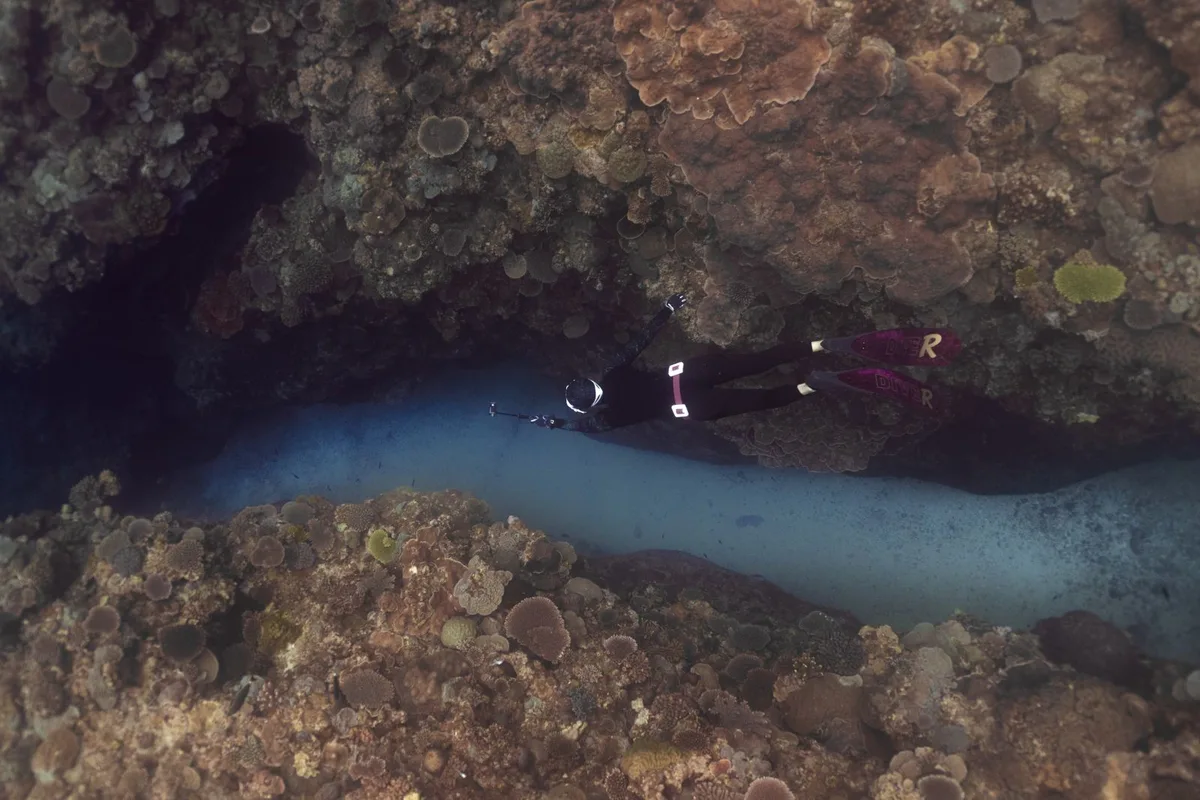
This guide was last verified on 25 November 2026. Diving conditions vary day to day with the sea — operators pick the site each morning after checking conditions, so treat every visibility figure here as typical, not guaranteed. The hero photograph shows a diver over a generic coral reef; it is not Tarkarli, and the water in it is not the water you will dive in. For the general guide this December piece builds on, see our Tarkarli–Malvan diving guide.
The diving season at Tarkarli runs from October to April, and the operators are specific about the peak inside it. December and January are the best months: visibility often reaches 15 metres or more, the water is 24–25°C, and the sea is calm. Morning dives, from 8 am to 12 pm, have the best conditions of the day, and the advice from Tarkarli Divers is to book 24–48 hours ahead in the busy winter months — the morning slots go first. The deeper sites are at their best in the same window: the advanced sites are best from November to March, which puts December squarely in the middle of the season for every level of diver. If you have one free weekend for a dive trip this winter, this is the one to take.
Tarkarli Divers runs boats to ten sites around Sindhudurg Fort and Tarkarli, with depths from 3 to 18 metres, and the site is picked each morning after the sea is checked. Beginners start at Classroom, a calm, shallow site at 3–8 metres with visibility of 10–15 metres, where most first dives happen. The Lighthouse sites, at 5–14 metres, suit beginners to intermediates, with angelfish, butterflyfish, parrotfish and groupers. The advanced end is where December earns its reputation: Godzilla Point, at 10–18 metres, is one of the hardest and most fun dives around Tarkarli, with big groupers and snappers and schools of barracuda; Malkuni Rock, at 9–17 metres, is a deep rock with strong water movement, for experienced divers only. Both are best from November to March. The boat leaves from Tarkarli Bandar Jetty and the ride to the sites takes about an hour — factor that into your morning, and take the early slot.
What makes Malvan different from the rest of the Maharashtra coast is not just the clarity but what lives in it. The sea around Sindhudurg Fort is protected as the Malvan Marine Sanctuary, which covers about 29 square kilometres of sea and rocky reef and protects the corals, molluscs and pearl oysters along this coast. That protection is the reason this stretch is Maharashtra's only real scuba and snorkelling coast: the rocky reefs around the fort hold enough coral and fish to make a genuine dive destination, where the rest of the Konkan is mostly beach and backwater. On a good December day you can see several metres down over reef fish, sea anemones and small corals in water usually five to ten metres deep at the main sites. It is not the Andaman Islands — if you want that comparison, our Andaman scuba diving guide for beginners sets out what Havelock offers — but it is the best diving within a weekend's reach of Mumbai and Pune, and in December it is at its best.
The other side of the December story is the monsoon, and it is absolute. From June to September the southwest monsoon brings heavy rain and a rough, muddy sea; passenger ferries are barred, so the Sindhudurg Fort boat, the scuba diving and the snorkelling effectively stop. The fort itself is closed to visitors in the rainy season because of the high tides. This is the single most common ruined Malvan trip: arriving between June and September expecting to dive or take the fort boat. If your only free dates fall in the monsoon, treat Malvan as a green-season escape for the food, the countryside and the quiet, and save the fort and the diving for a return between October and May. December is the opposite pole of that calendar — the month the sea is at its calmest and the boats run daily.
December is the month the sea is at its calmest. June to September, the boats do not run at all.
Tarkarli is where most people in Maharashtra try scuba diving for the first time, and the infrastructure is built for exactly that. The Indian Institute of Scuba Diving and Aquatic Sports (IISDA) at Tarkarli runs PADI courses and is India's first integrated scuba school. Beginners aged 10 and over can do a guided first dive without needing to swim, and certified divers can join fun dives across the ten sites. If you are coming to learn rather than to log dives, December is the kindest month to do it in: warm water, calm seas, the best visibility of the year, and instructors who are in the middle of their busiest and most practised season. Book the course before you travel — December is peak season, and the morning slots and the course places go together.
Tarkarli has no railway station or airport of its own. Most travellers come by Konkan Railway to Kudal or Sindhudurg Nagari, then drive the last stretch — roughly an hour to an hour and a quarter by taxi, auto or state bus — to Malvan and Tarkarli. Chipi Sindhudurg airport is the closest at roughly 20 km, but flights are limited and changeable, so check current routes before relying on it. The practical detail that matters in December is the peak-season trade-off: accommodation rates are higher, the popular beaches are crowded, and rooms and dives both need booking ahead, especially over Christmas and New Year. The water is at its clearest and the weather at its most comfortable, and you pay for both. Our Maharashtra destinations page covers the wider state if you are building a longer Konkan trip around the dive. There is no Malvan package on MQT — this guide is content-only, and if you want a custom plan built around a December dive weekend, enquire and we will put one together rather than sell you a fixed package that does not exist.
What is the best month to dive in Tarkarli?
December and January, according to the local operator Tarkarli Divers. Visibility often runs to 15 metres or more, the water is 24–25°C, and the sea is calm. The diving season as a whole runs October to April.
What time of day is best for diving at Malvan?
Morning dives, from 8 am to 12 pm, have the best conditions. Book 24–48 hours ahead in the busy winter months, as the morning slots go first.
Can beginners dive at Tarkarli?
Yes. Beginners start at Classroom, a calm site at 3–8 metres, and guided first dives are available for ages 10 and over without needing to swim. IISDA at Tarkarli runs PADI courses.
Can I dive at Tarkarli in the monsoon?
No. From June to September the sea is rough and muddy, passenger ferries are barred, and diving, snorkelling and the Sindhudurg Fort boat effectively stop. Come between October and May instead.
- Tarkarli Divers — Best Time to Dive in Tarkarli & Malvan
- Tarkarli Divers — Top Dive Sites in Malvan and Tarkarli
- Tarkarli Divers — Scuba Diving in Malvan: Price & How to Book
- Way to India — Malvan Travel Guide: Best Time, How to Reach & Things to Do
- Travel India Smart — Tarkarli Guide: Scuba, Sindhudurg Fort and Malvan
Share this article