Mechuka Valley Travel Guide: How to Reach, Best Time, Permits and Homestays
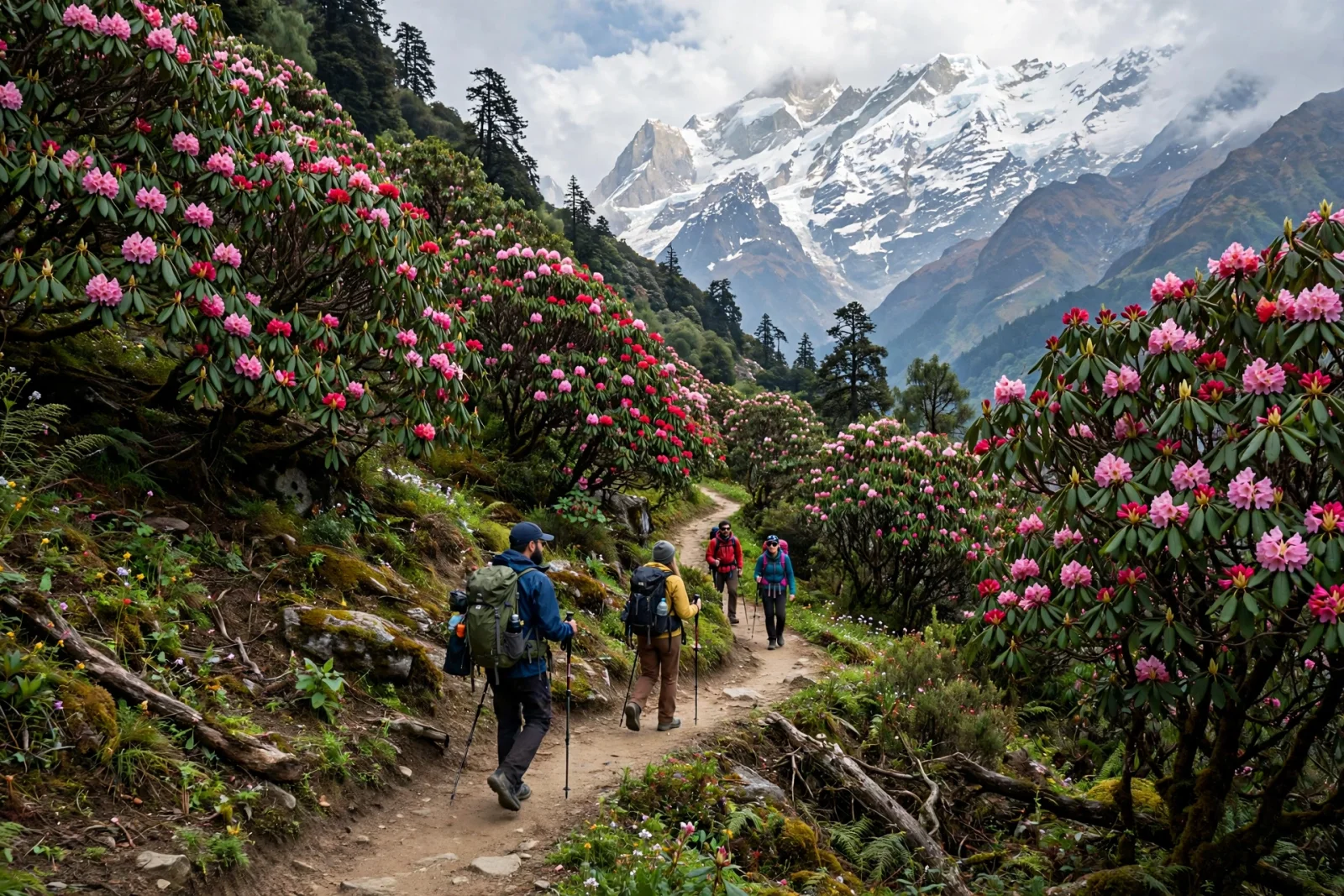
There is a valley in Arunachal Pradesh so far off the tourist map that even seasoned Himalaya travellers draw a blank at its name — and the state tourism board now lists its Mechukha valley among the state's showcase destinations, a sign of how fast the word is spreading. Mechuka — also spelt Mechukha — sits at 1,829 metres (6,000 feet) in the Shi-Yomi district, just 29 kilometres from the Line of Actual Control with Tibet. Pine forests, the crystalline Siyom river (called the Yargyap Chu locally), grazing horses, and a 400-year-old monastery on a hilltop — it is the Himalaya before the crowds found it.
But remoteness is also the warning label: reaching Mechuka takes two full days of mountain driving, the roads close their moods in monsoon, and you need a permit before you set foot in the state. This guide covers the logistics honestly — how to reach, when to go, where to stay — so the valley rewards you instead of surprising you.
How to Reach: The Two-Day Road Journey
There is no shortcut, and that is the point. The nearest major airport is Dibrugarh (DIB) in Assam, roughly 390–400 km from the valley; the nearest practical railheads are Silapathar and Murkongselek on the Assam side. From Dibrugarh, the journey breaks naturally into two driving days.
Day one: Dibrugarh to Aalo (the town still widely called Along), about 190 km through Silapathar and into the West Siang district — a long day on winding roads, so leave early and overnight in Aalo. Day two: Aalo to Mechuka, 180–190 km and 6 to 8 hours depending on road conditions, through some of the most dramatic and least-travelled mountain road in the eastern Himalaya. Shared Sumos run the route, but a private cab gives you control over stops — and you will want stops, because the waterfalls and valley viewpoints on this stretch are extraordinary.
Travellers coming from Guwahati typically train to Murkongselek or Silapathar first, then road via Pasighat to Aalo. A weekly helicopter service operates to Mechuka's Advanced Landing Ground under the UDAN scheme, but treat it as a bonus, not a plan — road is the reliable route.
Permits: The ILP, Sorted Before You Travel
Arunachal Pradesh is a protected area, and the Inner Line Permit (ILP) is mandatory for Indian citizens — no permit, no entry, with checkpoints enforcing it. Current requirements and advisories are published on the official Arunachal Tourism website. Apply online through the official Arunachal e-ILP portal (valid for 14 days, extendable) or at designated counters in Guwahati, Dibrugarh, Delhi, Kolkata and Itanagar; children under 14 can travel on a guardian's permit.
Foreign nationals need a Protected Area Permit (PAP/RAP), which is strictly enforced and arranged through registered operators. Sort this before you leave home — Dibrugarh transit hubs can process ILPs, but starting your two-day road journey already holding the permit removes the single biggest point of failure in the whole trip.
“It is the Himalaya before the crowds found it.”
Best Time: October to March, Full Stop
The sensible window is October to April, with October to March the sweetest stretch: clear skies, autumn colours giving way to snow-dusted winters, and roads at their most reliable. December to February transforms the valley into a snow-covered wonderland — magical, but genuinely cold, so pack accordingly. June to September is the monsoon, and it is not a 'shoulder season' here — heavy rain triggers landslides on the Aalo–Mechuka road and can strand travellers.
If your dates fall in monsoon, pick another destination rather than gambling on the road. For a winter trip, note that the valley's remoteness amplifies everything: carry cash (ATMs are unreliable), warm layers, and a buffer day on either side.
What to See in the Valley
The cultural anchor is the Samten Yongcha Monastery, perched on a hilltop above the valley. At around 400 years old and belonging to the Nyingma sect of Tibetan Buddhism, it predates even the famous Tawang Monastery, and its murals, statues and relics reward the climb. Down by the riverfront stands the Gurudwara Guru Nanak Taposthan, marking the spot where Guru Nanak Dev is believed to have meditated during his 16th-century journey toward Tibet — a remarkable confluence of faiths in one small valley.
Beyond the landmarks, Mechuka's pleasures are slower: the suspension cane bridges spanning the Siyom, walks to Dorjeeling and the old Mechuka Basti villages with their pine-wood houses, and Hanuman Point, a natural cliff-face rock formation that uncannily resembles Lord Hanuman. For the adventurous, the Siyom offers river rafting in season, and the high-altitude border outposts toward Yarlung and Lamang give a sense of just how close to the frontier you are.
Where to Stay and What to Eat
Homestays are the heart of a Mechuka trip — staying with local families is the most direct way to experience Memba culture, and places like Dhondup's and Zenyor's homestays are well-regarded by travellers who have been. Simple guesthouses and small lodges in the town cater to budget travellers with basic but clean rooms; a few small resorts have come up for those wanting more comfort. Book ahead in peak season (October–November) and around local festivals — capacity is genuinely limited.
Food is hearty mountain fare: thukpa, momos, butter tea (bheyjha), buckwheat pancakes, bamboo-shoot curries and, for the curious, the local millet beer chang. Rice is eaten three times a day here; as one local eatery owner told Outlook Traveller, bread simply doesn't make the menu — embrace the thali instead.
Practical Tips for the Valley
- Connectivity is thin. BSNL and Airtel work best in the region; download offline maps and tell family you may be unreachable for stretches.
- Carry enough cash for the entire valley stay. Card payments and UPI are patchy, and the nearest reliable ATM is a day's drive away.
- Pack for temperature swings — sunny afternoons and near-freezing nights are normal from November onward.
- The valley sits 29 km from the LAC with a visible army presence. Carry your ILP and ID at all times and respect photography restrictions near military installations.
- Travel insurance with evacuation cover is worth considering — the nearest advanced medical facilities are in Dibrugarh, two days away by road.
- Keep the valley clean. Mechuka's charm is its pristine state; carry out what you carry in.
Frequently Asked Questions
How many days do I need for Mechuka?
Five to six days minimum from Dibrugarh: two days of driving each way (via Aalo) and at least two full days in the valley itself. Rushing it to a weekend means spending the entire trip in a vehicle.
Is an ILP required for Mechuka?
Yes. Indian citizens need an Inner Line Permit for Arunachal Pradesh, available as an e-ILP online valid for 14 days. Foreign nationals need a Protected Area Permit. Without the permit you will be turned back at state checkpoints.
What is the best time to visit Mechuka?
October to March for clear skies and reliable roads, with December–February bringing snowfall. Avoid June to September — monsoon landslides make the Aalo–Mechuka road risky and travel can be disrupted for days.
Are there hotels in Mechuka?
No large hotels — the stay scene is homestays, guesthouses and small lodges. Homestays with local Memba families are the most rewarding option and should be booked in advance during peak season.
Is Mechuka safe for solo travellers?
The valley is peaceful and locals are famously hospitable, but its remoteness demands preparation: confirmed transport, ILP in hand, cash, and a buffer day. Solo travellers routinely do this route, usually via shared Sumos or arranged cabs from Aalo.
Sources
- Arunachal Tourism — state tourism board
- The New Indian Express — What to explore in Mechuka, Arunachal Pradesh
- NDTV — Mechukha Travel Guide: This Himalayan Valley Is Built For Slowing Down
Share this article