Mussoorie: Queen of Hills Itinerary & Things to Do
By My Quick Trippers · 8 Oct 2026
8 min read · Destination Guides
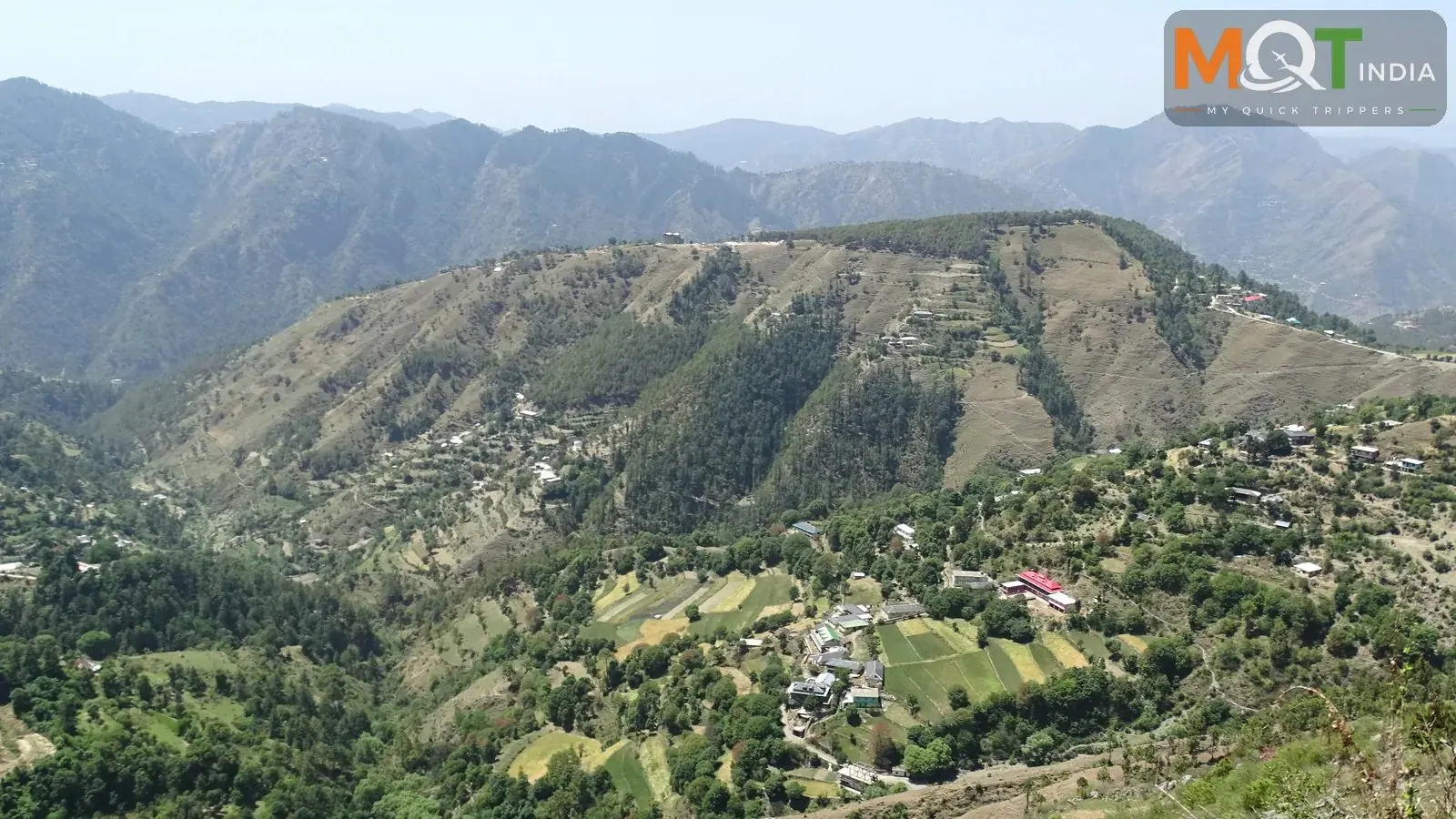
Mussoorie — the Queen of Hills — sprawls along a 15-kilometre ridge at 2,000 metres, looking out over the Doon valley on one side and the snow peaks of the Garhwal Himalayas on the other. It is the most visited hill station of Uttarakhand, and for good reason: colonial charm, easy access from Delhi, waterfalls, viewpoints, and Landour's quiet lanes just above the bustle.
This Mussoorie itinerary guide covers the essential things to do — Mall Road, Kempty Falls, Gun Hill, Lal Tibba, Landour — plus the best time to visit, how to reach, where to stay, and a practical 3-day plan that balances sightseeing with the slow mountain evenings Mussoorie does best.
The Essentials: Mall Road, Gun Hill and the Ridge
The Mall Road is Mussoorie's beating heart — a 2-kilometre pedestrian stretch (vehicles restricted) lined with colonial-era buildings, bookshops, cafes and the famous Kulri bazaar. Walk it in the evening when the Doon valley lights twinkle below and the chaat vendors set up. The Ridge, at the eastern end, offers the classic Himalayan viewpoint — on clear October-November mornings, the snow peaks seem close enough to touch.
Gun Hill, Mussoorie's second-highest point, is reached by ropeway from the Mall Road — the 400-metre ride itself is the experience, and the summit gives a 360-degree view of the Doon valley, Banderpunch and Chaukhamba. Go at opening time to beat the queues. Camel's Back Road, a 3-kilometre flat walk from Kulri, is the sunset stroll locals love — the rock formation does vaguely resemble a camel's hump.
Waterfalls and Viewpoints
Kempty Falls
Twelve kilometres from town, Kempty Falls is Mussoorie's most famous waterfall — a multi-tiered cascade with natural pools where generations of tourists have splashed. It gets extremely crowded in May-June; go early morning or visit in the shoulder season. The ropeway down to the falls base saves the steep walk. Bhatta Falls (7 km) and Jharipani Falls are quieter alternatives.
Lal Tibba
The highest point in Mussoorie (2,275 metres) sits in Landour cantonment, with a Japanese telescope at the viewpoint for close-ups of the Himalayan range. The walk up from Landour through deodar forest is lovely. Combine with a Landour morning — see below.
Cloud's End and George Everest's House
Cloud's End, 7 km west, is where Mussoorie's ridge dissolves into oak and deodar forest — peaceful walks and a heritage hotel. Sir George Everest's House (of Mount Everest naming fame), 6 km away, is a restored colonial bungalow with sweeping Doon valley views and excellent surrounding walks.
Landour: Mussoorie's Quieter Soul
Landour, the cantonment town 4 km above Mussoorie, is where the Queen of Hills keeps its charm intact: no traffic chaos, pine-scented lanes, the 100-year-old Landour Bakehouse, Ruskin Bond's presence in the local lore, and the charming St. Paul's Church. Walk the 4-kilometre Landour loop (the 'gol chakkar') past Ivy Cottage and Rokeby Manor, stop for pancakes at the bakehouse, and watch the light change over the hills.
Staying a night in Landour rather than Mussoorie town is the insider move — quieter, cooler, and the mornings are pure magic. The Landour–Lal Tibba–Char Dukan walk is the finest half-day in the area.
Best Time to Visit Mussoorie
March to June is peak season — pleasant weather, everything open, maximum buzz, and maximum crowds (book hotels well ahead for May-June weekends). July to September is monsoon: misty, romantic, lush, cheaper — but landslides occasionally disrupt the Dehradun road, and the Himalayan views vanish behind cloud. October to November is the connoisseur's choice: crystal-clear mountain views, autumn colours, thin crowds.
December to February brings winter chill and occasional snowfall — Mussoorie in snow is lovely, though heavy snow can disrupt the approach road. For snow certainty, Dhanaulti (24 km higher) is more reliable. Our Haridwar Rishikesh Mussoorie Dhanaulti tour strings these together.
3-Day Mussoorie Itinerary
- Day 1: Arrive from Delhi (290 km, 7-8 hours) or Dehradun (35 km, 1.5 hours). Afternoon: Mall Road and the Ridge. Sunset at Camel's Back Road. Evening Mall Road stroll.
- Day 2: Morning ropeway to Gun Hill. Late morning: Kempty Falls excursion. Afternoon: Company Garden or Cloud's End. Evening at leisure on the Mall.
- Day 3: Morning in Landour — the loop walk, Landour Bakehouse, Lal Tibba viewpoint. Afternoon: George Everest's House or Dhanaulti excursion. Depart next morning.
- Extension: Add Dhanaulti–Kanatal (1-2 nights) for quiet meadows and the Surkanda Devi trek, or combine with Haridwar–Rishikesh.
Day Trips from Mussoorie
Mussoorie's location makes it a superb base for short excursions. Dhanaulti (24 km) offers the Eco Park's adventure activities and Himalayan viewpoints in cooler, quieter air — the essential Mussoorie escape. Kanatal (38 km) adds meadows and the Surkanda Devi trek. Dehradun (35 km below) has the Robber's Cave, Sahastradhara springs, the Forest Research Institute's colonial architecture, and far better restaurants — many travellers day-trip down for a change of scene.
For the adventurous, the Nag Tibba trek (the highest peak around Mussoorie at 3,022 m) is a proper 2-day Himalayan trek from nearby Pantwari village — a genuine summit with Bandarpunch views, doable as a weekend extension. Each of these is covered in detail in our Dhanaulti–Kanatal guide.
Is Mussoorie safe at night?
Yes — the Mall Road and Ridge stay lively and well-lit into the evening, with a visible police presence in season. Standard precautions apply: stick to populated areas late at night, avoid isolated trails after dark, and keep valuables secure. Solo travellers routinely report feeling safe here.
Can I do Mussoorie without a car?
Easily — the town centre is walkable, shared taxis cover Kempty Falls and Dhanaulti, and the ropeways handle Gun Hill. Many Delhi visitors arrive by bus/train to Dehradun and taxi up, then explore entirely on foot. A car is only needed for wider excursions.
What is the best month to avoid crowds in Mussoorie?
Late September to November — post-monsoon clarity, Diwali-season sparkle, thin crowds and lower rates. March-early April is the other quiet window, with spring blooms and pleasant days. Avoid May-June weekends and the Christmas-New Year fortnight unless you enjoy crowds; if you must visit in peak season, arrive on weekdays.
Frequently Asked Questions
How do I reach Mussoorie from Delhi?
By road: 290 km, 7-8 hours via Haridwar/Dehradun. By train: to Dehradun, then 35 km by taxi (1.5 hours, winding road). By air: Jolly Grant Airport near Dehradun, then taxi. Buses run from Delhi ISBT to Dehradun/Mussoorie.
Is 2 days enough for Mussoorie?
Two days cover the highlights (Mall Road, Gun Hill, Kempty Falls), but three days allow Landour and a relaxed pace — which is the point of a hill station. Weekend crowds are intense; weekdays are calmer.
Which is better: Mussoorie or Landour for staying?
Mussoorie town for first-timers (walkable sights, restaurants, buzz). Landour for peace, views and charm — 4 km above town, easily reached by taxi. Many travellers split: 2 nights Mussoorie, 1 night Landour.
Does Mussoorie have snow?
Occasionally in December-February, but not reliably — typically a few light snowfalls a season. For dependable snow, visit Auli or Dhanaulti. Check conditions before a winter trip.
Is Mussoorie expensive?
It spans all budgets — dharamshalas and budget hotels to heritage properties. May-June peak season roughly doubles rates; October-November and weekdays offer the best value. Food on Mall Road ranges from street chaat to fine dining.
Mussoorie is at its best when you slow down — the Mall Road morning before the crowds, the Landour loop at dawn, the Ridge when the peaks come out. Do the sights, but leave room for the unplanned mountain hours. To plan Mussoorie with stays, transfers and the Dhanaulti–Landour circuit, chat with our travel experts on WhatsApp to plan this trip.
A winter weekend in Mussoorie: the quiet-season version
December to February is Mussoorie at its quietest — and, for many travellers, its best. The Mall Road empties, the Landour loop is a proper walk instead of a crowd shuffle, and winter light makes Camel's Back Road and the Ridge genuinely beautiful. Snow is possible but never guaranteed: treat a snowfall as a bonus, not the plan. Two honest winter notes: Kempty Falls runs low in winter, so don't build a day around it, and nights are properly cold — pack a real jacket, not a hoodie, and check your stay has heating.
The classic winter weekend is two to three days from Delhi: overnight train or bus to Dehradun, then a cab up the hill (about an hour from Dehradun, and Jolly Grant airport is the nearest air link). Pair it with Dhanaulti for a quieter second night — our Dhanaulti–Kanatal guide covers that escape — or fold it into the Haridwar–Rishikesh–Mussoorie tour for a longer Garhwal week. Winter specifics and stays are confirmed on enquiry for your dates.
Share this article