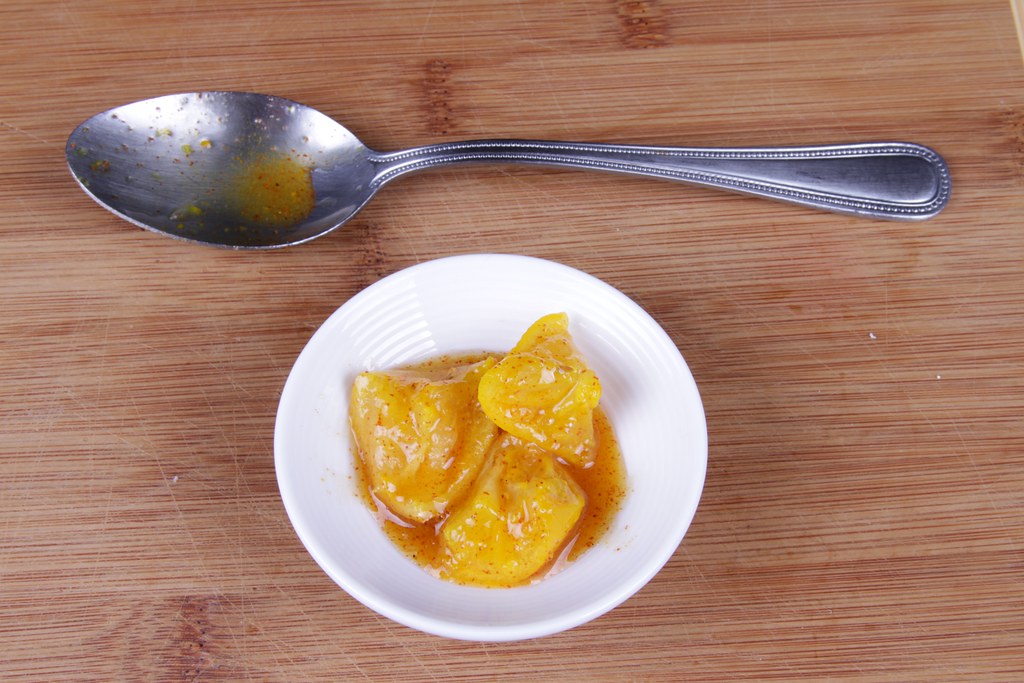
Nimbu Ka Achar: How Hill Households Make Lemon Pickle
By My Quick Trippers · 12 Nov 2026
9 min read · Food & Cuisine
Every set of pickles has one jar that divides the table, and in the Pahadi set it is nimbu ka achar. Lemon pickle is salty and sour before it is anything else — the lemons are cut, salted and left until the rind softens and the sharpness mellows into something deep and almost savoury. It is the jar for people who like their pickle to bite back a little, and it is the jar that first-time buyers either love at once or come back to later, after the milder jars have taught them what a pickle is for. Our roundup of the seven Pahadi achars introduced it in one section. This post is the whole story of that one jar — how hill households make it, what it goes with, and how to buy it.
One promise first: no health claims. This post does not say lemon pickle cures or prevents anything, and there are no nutrition numbers here, because none have been verified for this jar. What follows is about the making, the eating and the buying — the things a hill kitchen actually does with a lemon and a handful of salt.
The lemon, salted: a pickle that makes itself slowly
Lemon pickle is the simplest pickle in the set to describe and one of the slowest to make. It starts with lemons — whole lemons, cut into pieces, rind and all — and salt. The salt is not a seasoning here; it is the work. Salt draws the moisture out of the lemon pieces, softens the rind, and turns the sharp, raw sourness of a fresh lemon into something deeper. Left in a jar with salt, the lemons change over days and weeks: the rind goes from bitter and tough to soft and almost savoury, the juice thickens into a dark, salty brine, and the flavour stops being simply sour and becomes the particular taste of a lemon pickle — sharp, salty, and unlike any fresh lemon.
That slowness is the point, and it is why lemon pickle is a household pickle rather than a quick one. A household does not make nimbu ka achar in an afternoon and eat it that evening. It makes a jar, puts it on a sunny shelf, and waits — shaking the jar or stirring it from time to time, watching the rind soften and the brine darken, and tasting a piece now and then to see whether it has arrived. The pickle is ready when the rind yields to the teeth instead of resisting them, and when the sourness has lost its raw edge. Until then, it waits.
How hill households make it
The method is the method of North Indian pickles everywhere, and hill households make it the same way their neighbours in the plains do — with the household's own balance of salt, sourness and heat. The lemons are washed and cut into quarters or eighths, and tossed with salt until every piece is coated. Some households add spices at this stage — a little chilli, a little turmeric, sometimes a pinch of something else — and some add the spice later, once the lemons have softened. The pieces go into a ceramic jar, a bharni, or a glass jar, and the jar goes somewhere sunny for a few days, so the salt can do its work and the lemons can begin to soften.
Mustard oil comes later in a lemon pickle than in a mango pickle, and in some households it hardly comes at all. The lemon makes its own brine as the salt draws out the juice, and that brine is part of the pickle — dark, salty, and worth keeping. When oil is used, it is poured over the top to cover the pieces and keep the air out, the same as in any pickle jar. Recipes are not standardised: every household has its own balance, and the difference between one house's nimbu ka achar and another's is a matter of salt, time, and how much spice went in. What is constant is the shape of the work — cut, salt, sun, wait — and the vessel it is done in, with a lid that keeps dust out and a clean, dry spoon for every serving.
There are two broad styles of lemon pickle in Indian households generally: the salty, sharp kind, and the sweet kind, made with sugar or jaggery. The store jar is the sharp kind — the listing calls it sharp and tangy, and that is a fair description of a salt-matured lemon pickle. This post describes the sharp kind, because that is the jar in the store. If a household you know makes a sweet lemon pickle, it is a different jar with a different method, and it is not the one being sold here.
What it tastes like, and what it goes with
Nimbu ka achar tastes of salt first, sourness second, and spice third — in that order, and all at once. The salt is the flavour you notice first, because the lemon has been sitting in it for weeks. The sourness follows, but it is not the sourness of a fresh lemon: it is deeper, rounder, and less aggressive, because the rind has softened and the juice has thickened into brine. The spice, where there is any, sits underneath both. A small spoonful is enough, and a little goes a long way, because the flavour is so concentrated. This is not a pickle you eat by the piece the way you eat a piece of mango pickle; it is a pickle you take a little of, beside a plate of plain food.
The classic use is a small spoonful alongside dal and rice. The mild, everyday dal and rice of the hills is the perfect partner for a pickle this concentrated: the plain food gives the sharpness something to work against, and the pickle gives the plain food a reason to be interesting. It is equally good with khichdi, where a spoonful of lemon pickle cuts through the soft, mild pot, and with parathas, where the pickle is the sharp counterpoint to the soft bread. With curd rice it works the same way it works with dal and rice — cool, plain food on one side, a sharp salty spoonful on the other.
Lemon pickle also has a use the other jars do not: a spoonful of the brine itself. The dark, salty liquid at the bottom of a mature lemon pickle jar is not waste, and hill households do not throw it away. A little of it stirred into a dal, or over rice, carries the pickle's flavour without the rind at all. It is a cook's trick rather than a serving suggestion, and it is the reason a lemon pickle jar is worth keeping to the last spoonful.
Storing it right
A lemon pickle jar keeps for months if it is stored right, and the rules are few and strict. Keep the pieces covered — with their own brine, and with oil on top if oil was used — because the liquid is what keeps the air out. Always use a clean, dry spoon: water is the enemy of a pickle jar, and a wet spoon is what turns a pickle that should last months into one that spoils in weeks. Keep the jar in a cool, dry place, out of direct sunlight once it has matured, and keep the lid on between servings. Shake the jar or stir it gently from time to time, so the pieces at the top do not dry out. If the pickle ever smells off, or if you see mould on the surface, do not try to save it.
The same rules apply whether the jar was made at home or bought from the store. The store jar arrives ready to eat, and it keeps the same way a home jar does: covered, dry spoon, cool shelf, lid on. A 500 g jar lasts a household that eats a small spoonful a day for weeks, which is why the price is best thought of per meal rather than per jar — a few rupees of pickle on a plate of dal and rice, for as long as the jar lasts.
Buying nimbu ka achar
Nimbu Ka Achar is in the Pahadi Store at an indicative ₹399 for 500 g, sold by Kumauni Taste via SaSiAa, checked 13 Nov 2026. The price is indicative, not fixed: it comes from that seller's live listing, not from our own supplier list, so check the store page for the current figure before ordering. The listing describes it as handmade Kumaoni lemon pickle — sharp and tangy — and that description matches the jar: lemons, salted and matured until the rind softens and the sharpness turns savoury. If you have not tried a lemon pickle before, buy the aam ka achar first and come to this one second: the mango jar teaches you what a pickle is for, and the lemon jar shows you how far one can go.
Frequently Asked Questions
What is nimbu ka achar made from?
Lemons, cut into pieces with the rind on, tossed with salt and left to mature until the rind softens and the juice thickens into a dark, salty brine. Some households add spices and mustard oil; the store jar is the sharp, salty kind, not the sweet kind.
How long does lemon pickle take to mature?
Days to weeks, not hours. The salt needs time to draw the moisture out of the lemons and soften the rind, and the flavour needs time to turn from raw sourness into something deep and almost savoury. A lemon pickle is ready when the rind yields to the teeth instead of resisting them.
What does lemon pickle go with?
Dal and rice first of all — the classic pairing — and then khichdi, parathas and curd rice. A small spoonful is enough, because the flavour is very concentrated. A little of the brine stirred into a dal carries the flavour without the rind at all.
Is the store's nimbu ka achar sweet or salty?
Salty and sharp. The listing calls it sharp and tangy, and that is the salt-matured kind. Sweet lemon pickle, made with sugar or jaggery, is a different jar with a different method, and it is not the one being sold here.
How long does nimbu ka achar keep?
Months, if it is stored right: keep the pieces covered with their brine or oil, always use a clean dry spoon, keep the jar in a cool dry place with the lid on, and never let water into the jar. If it smells off or shows mould, throw it away.
Sources
- My Quick Trippers — Pahadi Store
- My Quick Trippers — Pahadi achar: 7 homemade Uttarakhand pickles
- My Quick Trippers — Himalayan spices you've never heard of
- My Quick Trippers — Aam ka achar (mango pickle)
- My Quick Trippers — Hari mirch ka achar (green chilli pickle)
Share this article