Rishikesh River Rafting Season: A Beginner's Guide
By My Quick Trippers · 20 Oct 2026
7 min read · Mountains & Adventure
Rishikesh is where most Indians first meet white-water rafting. The Ganga here is wide, green and fast, the Himalayan foothills rise on both banks, and the rafting stretches are graded from gentle splashes to proper grade III and IV rapids — which means a first-timer and a thrill-seeker can both find their level on the same river, on the same weekend. Yet beginners often arrive with the wrong idea: either that rafting is a tame boat ride, or that it is dangerously extreme. The truth sits in between, and it depends almost entirely on one thing — the season you choose. Water levels, rapid intensity, weather and even whether rafting is running at all change dramatically through the year, and picking the right window is the single biggest decision a beginner will make. This guide covers the rafting seasons in Rishikesh, what each stretch actually feels like, what first-timers should expect on the water, and how to book safely. For the camping side of the trip, see our Rishikesh river rafting and camping guide, and for the wider town, our Rishikesh yoga capital travel guide covers the ashrams, cafes and ghats beyond the river.
The Rafting Calendar: When the River Runs
Rafting in Rishikesh generally runs from mid-September to late June, with a monsoon break in July and August when the river swells and commercial rafting is suspended for safety. Within that long season there are two distinct moods. September to November, right after the monsoon, brings high, fast water and the most exciting rapids of the year — thrilling, but not the ideal first experience for nervous beginners. December to February is the quiet winter season: the water is lower and colder, the rapids are gentler, crowds are thin, and prices are typically at their lowest, but mornings are chilly and you will want a wetsuit. March to June is the classic beginner sweet spot: water levels are moderate, the weather is warm, rapids are lively without being intimidating, and every operator is running daily trips.
If you are planning your first rafting trip, aim for March to June, or for the gentler winter months if you prefer calm water and empty beaches. Note that exact opening and closing dates are set by the local administration each year depending on river conditions, so confirm with your operator before booking travel. For a different kind of Rishikesh adrenaline, our Rishikesh bungee jumping adventure guide covers India's highest bungee, just outside town.
The Stretches: Brahmapuri, Shivpuri, Marine Drive and Kaudiyala
Rafting trips in Rishikesh are sold by stretch, and the stretch you pick decides your day. Brahmapuri to Rishikesh is the classic beginner run: roughly 9 kilometres, about two hours on the water, with gentle grade I and II rapids that are perfect for families and first-timers, plus a swim stop and cliff-jump point. Shivpuri to Rishikesh, about 16 kilometres and three hours, is the most popular run overall — it adds bigger grade II and III rapids and suits beginners who want a bit more excitement without committing to a full day. Marine Drive to Rishikesh, around 24 kilometres, is a half-day trip with stronger rapids and a longer, more remote feel.
Kaudiyala to Rishikesh, roughly 34 kilometres, is the full-day expedition with the famous grade III and IV rapids like Daniel's Dip and The Wall, and it is best left until you have at least one shorter trip under your belt. Every commercial trip includes a licensed river guide, life jacket, helmet and paddle, and a safety briefing before you get on the water — if an operator skips the briefing or the gear check, walk away. Most operators also offer riverside camping packages, and a packaged option like the Rishikesh river rafting tour from My Quick Trippers bundles the rafting, camp stay and meals, which suits first-timers who would rather not assemble the trip piece by piece.
What Beginners Actually Experience on the Water
Here is what nobody tells first-timers: you will get wet, you will probably swallow a little river water, and you will love it anyway. The guide sits at the back and calls paddle commands — forward, back, stop, get down — and your job is simply to paddle when told and hold on when told. Rapids arrive as short bursts of bumpy, splashy water lasting seconds, separated by long calm stretches where you float, swim and take in the forested banks. The famous body-surfing stop lets you float downstream in your life jacket, and the cliff jump, usually from a modest height at a calm spot, is always optional — nobody will push you. The main beginner mistakes are gripping the paddle too tightly, standing up in the raft, and not listening to the guide during the safety talk.
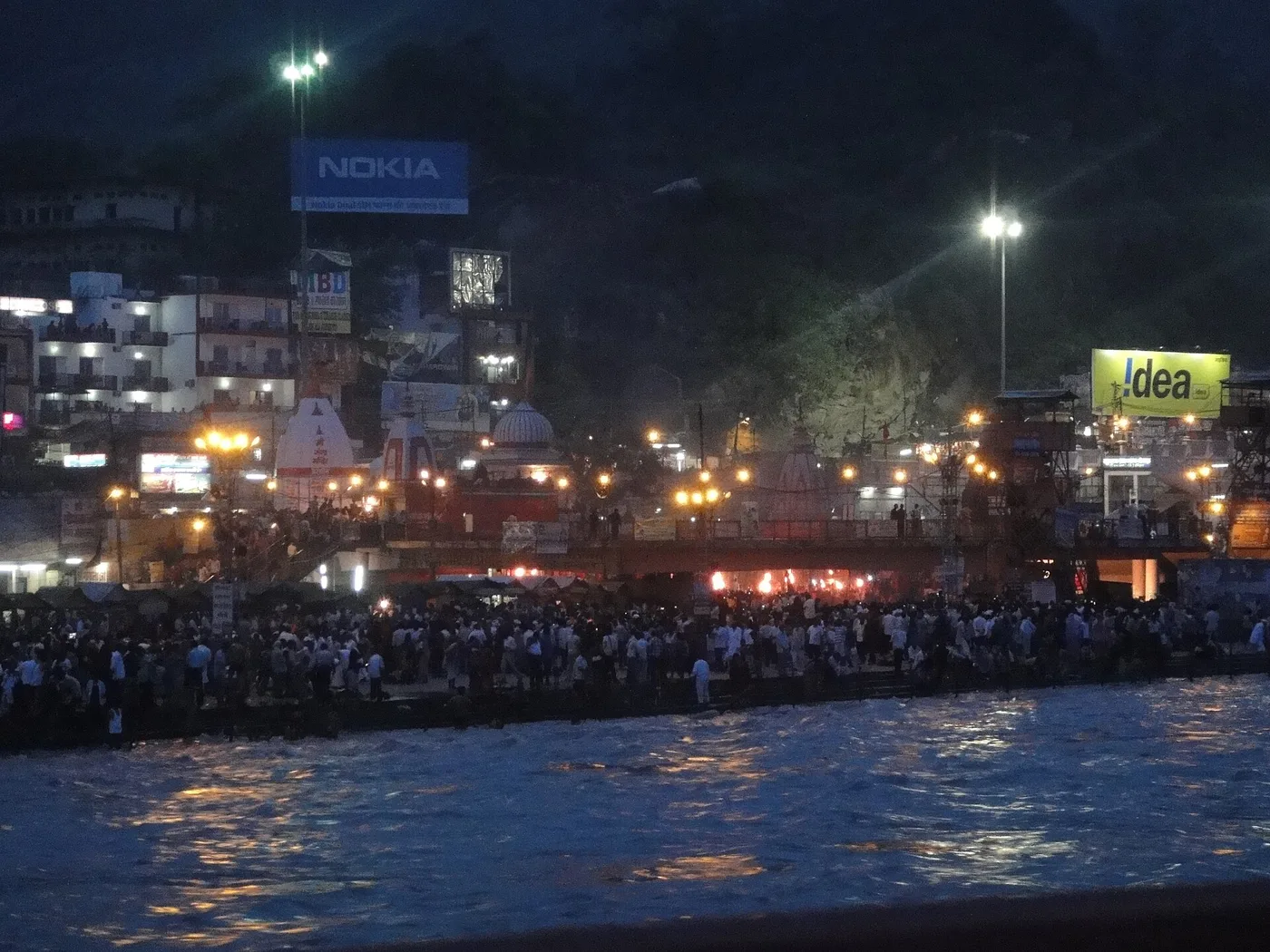
Wear a swimsuit or quick-dry clothes under the life jacket, secure your spectacles with a strap, leave phones and valuables at camp unless you have a proper waterproof case, and apply sunscreen — the Himalayan sun reflecting off water burns faster than you expect. Children are generally welcome on the gentler stretches, typically from around age 12 to 14 depending on the operator and the season, so check age rules when booking a family trip. If you want to combine the river with the town's spiritual side, the Haridwar and Rishikesh 2-day itinerary pairs rafting with Ganga aarti beautifully.
Safety, Operators and Costs: Booking Smart
Rafting in Rishikesh is well regulated, but quality still varies, so book on safety signals rather than the cheapest price. Choose operators with licensed guides, a visible camp or office, proper equipment in good condition, and a safety kayak or support arrangement on longer stretches. Ask what is included — typically the rafting itself, gear, transport to the put-in point and back, and sometimes meals or camping — and confirm the total price before paying, since some quotes exclude transport or the forest entry fee. Typical per-person rafting prices vary by stretch and season, usually in the range of a few hundred rupees for Brahmapuri to a couple of thousand for Kaudiyala, with camping packages costing more; treat any price that seems dramatically lower than the going rate as a warning sign, not a bargain.
Check the weather and river level on the morning of your trip, and accept it gracefully if the operator cancels or downgrades a stretch — that is the system working, not a ruined holiday. Carry a change of dry clothes, a towel and a waterproof bag for the return journey, and keep the evening free after a long stretch, because you will be pleasantly tired. For the full town experience around your rafting day, our Haridwar Ganga aarti and temples travel guide covers the ghats, temples and evening aarti that make Rishikesh and Haridwar such a complete weekend.
A Beginner's First Rafting Weekend Plan
Arrive in Rishikesh on a Friday evening from Delhi, roughly a six-hour drive, or by train to Haridwar followed by a short taxi ride, and spend the night at a riverside camp or a hotel in Tapovan, the lively backpacker hub above the town. On Saturday morning, after breakfast, take the Brahmapuri or Shivpuri stretch — the shorter one if you are nervous, the longer one if you want the full experience — and spend the afternoon exploring Laxman Jhula, the cafes of Tapovan and the evening Ganga aarti at Triveni Ghat. On Sunday, if you are hooked, add a second, longer stretch or try the bungee jump, then head back in the afternoon. This two-day rhythm is why Rishikesh works so well as a first rafting destination: the river is forgiving, the town is easy, and the learning curve is gentle enough that most beginners finish their first trip already planning the next one. Pick the March to June window, book a licensed operator, listen to your guide, and the Ganga will do the rest — it has been converting nervous first-timers into lifelong rafters for decades, and it is very good at it.
Share this article