Shoja & Jalori Pass: Offbeat Guide
By My Quick Trippers · 17 Oct 2026
7 min read · Destination Guides
Shoja is a whisper of a village on the road to Jalori Pass — a handful of homestays and meadows at 2,692 metres, where the air smells of oak forest and the views stretch across the Seraj valley. The Shoja Jalori Pass area is one of Himachal's most peaceful corners, and travellers who stop here discover the state's quiet magic. This Shoja and Jalori Pass guide covers the treks, the viewpoints, and how to plan an offbeat escape here.
Jalori Pass itself, at about 10,800 feet, is the high point — literally and figuratively. The pass road, one of Himachal's most scenic drives, connects the Banjar/Tirthan side with the Seraj valley, and its trailheads lead to Serolsar Lake and Raghupur Fort. Together, Shoja and Jalori make the perfect 2-3 day add-on to any Jibhi or Tirthan Valley trip.
Jalori Pass: The Drive and the Views
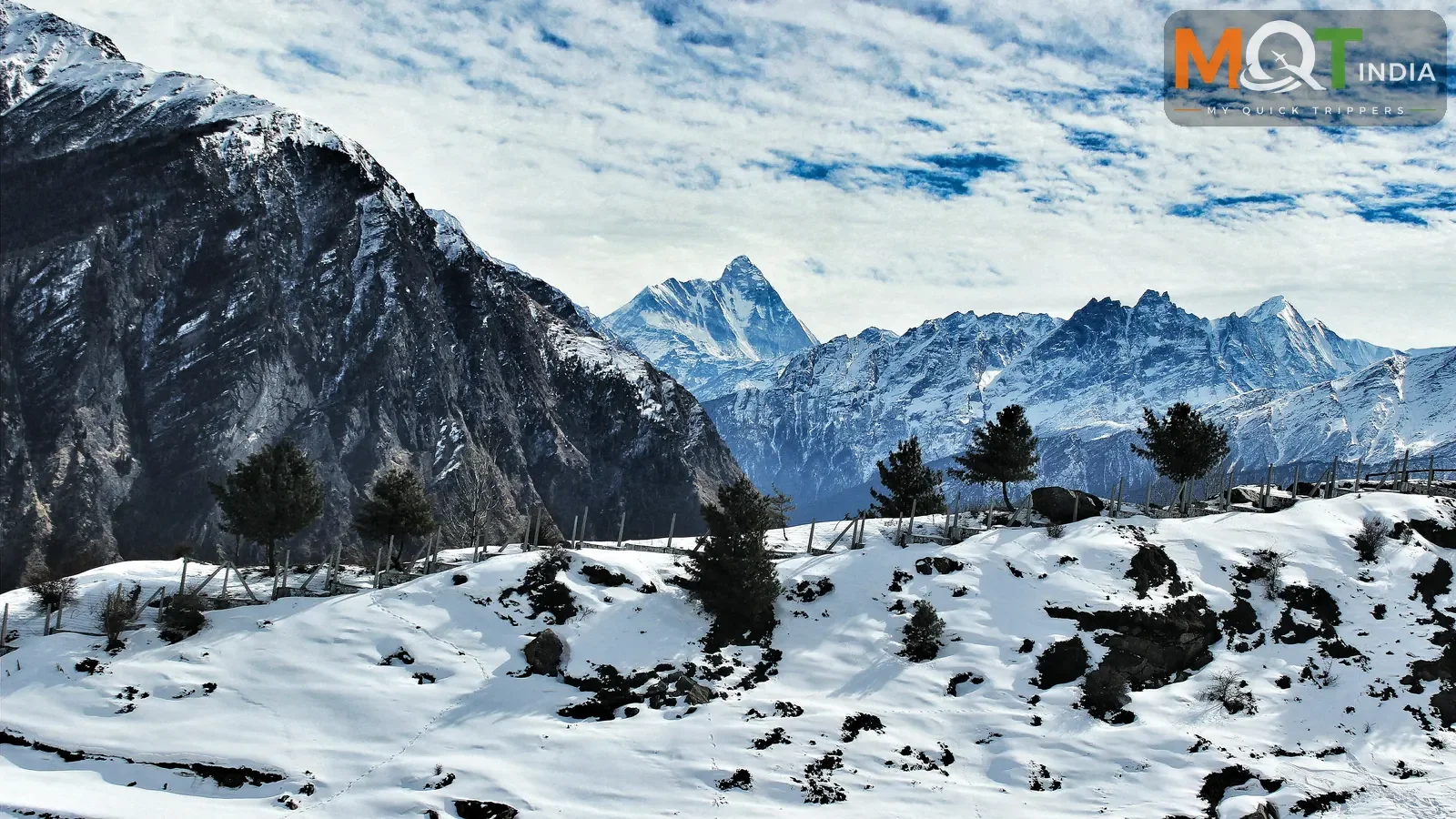
The road to Jalori climbs from Jibhi through Shoja in a series of hairpins, emerging above the treeline to a windswept pass with prayer flags and panoramic views. In season, dhabas at the pass serve maggi and chai with a view; in winter, the pass closes under deep snow.
Drive it slowly and stop often — the oak and rhododendron forests below the pass are spectacular, especially in spring bloom (March-April) and autumn colour (October). The pass is also the trailhead for the two great walks described below, so most visitors combine the drive with at least one trek.
Best Time to Visit Jalori Pass
April to November is the window when the pass road is reliably open. May-June and September-October are the sweet spots. December to March, the pass is snowbound and closed to vehicles — though the snow trek from Shoja to the pass is a thrilling winter walk for the well-equipped.
Serolsar Lake Trek
The Serolsar Lake trek is the region's crown jewel: a 5-kilometre round trip from Jalori Pass through ancient oak forest draped in moss, ending at a small, sacred alpine lake with a temple on its banks. The trail is well-defined and moderately easy — most walkers take 2-3 hours round trip — but the forest's primeval beauty makes it feel like a much wilder adventure.
Local legend holds that the lake's waters are medicinal and that birds keep it clean of leaves — you will notice the remarkably clear surface. Walk quietly, do not litter, and respect the temple. Early morning starts give you the lake in perfect stillness before day-trippers arrive.
Raghupur Fort Trek
The second trail from Jalori climbs to the ruins of Raghupur Fort, about 3 kilometres uphill, offering sweeping views over the Seraj and Banjar valleys. The fort's crumbling walls and the panorama from its ramparts make this the better viewpoint walk; combine both treks in one full day if you start early.
Shoja Village: Staying in the Quiet
Shoja's handful of homestays and cottages sit amid meadows with big valley views. It is a place for slow mornings, forest walks, and stargazing — there is little to 'do' here, which is the point. The village makes a better overnight base than the pass itself, with warmer stays and easier access to both the Serolsar and Raghupur trails.
Book ahead in peak season (May-June, long weekends); Shoja has limited beds. Confirm heating for winter stays, and ask hosts about current trail conditions before setting out.
How to Reach Shoja and Jalori Pass
Shoja is about 10 kilometres from Jibhi and 30 kilometres from the Tirthan Valley's Gushaini — an hour or less by taxi. From the other side, the road continues from Jalori down into the Seraj valley toward Ani. Most visitors approach from Jibhi or Tirthan as a day trip or overnight, using the same Aut-Banjar access route: overnight bus from Delhi to Aut, then taxi uphill.
Two-Day Shoja-Jalori Itinerary
- Day 1: Arrive Shoja from Jibhi/Tirthan by afternoon. Evening: meadow walks and sunset views over the Seraj valley. Overnight in Shoja.
- Day 2: Early drive to Jalori Pass; trek to Serolsar Lake (morning). Afternoon: Raghupur Fort trek or return drive. Continue to Tirthan/Jibhi or onward.
Practical Tips
Carry water and snacks — there is little beyond the pass dhabas. Weather changes fast at 10,800 feet; carry a rain layer and warm jacket even in summer. Start treks early to avoid afternoon cloud. In winter, check locally whether the Shoja-Jalori road is open before committing. And as always in these fragile forests: carry out everything you carry in.
Shoja for Nature Lovers: Birds and Forest
The oak and rhododendron forests around Shoja and Jalori are among the Western Himalaya's richest birding habitats. Himalayan monals, koklass pheasants, and a dozen species of laughingthrushes all occur here; dawn walks from Shoja with a local guide can be spectacular. Spring (March-April) brings the rhododendron bloom — the forest ignites in red and pink — while autumn offers the clearest views and the most comfortable walking.
The region's meadows are equally rich in smaller life: butterflies in summer, wildflowers in the monsoon months, and the ever-present backdrop of the Seraj valley's terraced fields. This is slow-travel country — bring binoculars, a field guide, and unhurried mornings.
Combining Shoja with Tirthan Valley
Shoja and Jalori sit at the head of the Tirthan Valley system, making them the natural finale of a Banjar Valley circuit: Jibhi (2 nights), Tirthan/Gushaini (2 nights), Shoja-Jalori (1-2 nights). The progression — hamlet to river valley to high pass — gives you Himachal's full altitudinal range in under a week.
Shoja is the natural add-on to a Jibhi–Tirthan itinerary in Himachal Pradesh, and pass-baggers often link Jalori with Rohtang and Kunzum on a grand tour of the state's high roads. The meadow-and-pass scenery has parallels in Uttarakhand's high meadows and Kashmir's alpine passes, for travellers collecting Himalayan crossings. From the plains, Shoja combines well with a Shimla–Manali loop or, for full contrast, with the desert cities of Rajasthan.
Frequently Asked Questions
Is Jalori Pass open throughout the year?
No — the pass road typically closes from December to March under snow. April to November is the reliable window; check locally at the season's edges.
How difficult is the Serolsar Lake trek?
Easy to moderate — 5 km round trip on a well-defined forest trail, doable in 2-3 hours by anyone with basic fitness. The altitude (around 3,100 m at the lake) warrants a steady pace.
Can I visit Jalori Pass from Jibhi in one day?
Yes — Jibhi to Jalori is about an hour's drive, making the pass and one trek a comfortable day trip. Staying overnight in Shoja is more relaxed.
Is there snow at Jalori Pass?
The pass holds snow from December to March (when the road closes). In April-May, snow patches linger around the pass — beautiful and accessible once the road reopens.
Where should I stay — Shoja or Jibhi?
Jibhi has more stay and food options; Shoja is quieter with better pass access. Many travellers split nights between the two.
Is the Jalori Pass road safe to drive?
The Jibhi-Shoja-Jalori road is narrow and winding but regularly travelled by local taxis and buses. If you're not confident on mountain hairpins, hire a local driver — they know every curve. Avoid driving it after dark, and check locally about snow or landslide conditions at the season's edges.
Shoja and Jalori Pass are Himachal's reminder that the best places are often the ones you almost drive past. Stop, stay a night, walk the oak forest to Serolsar — you will not regret it. To plan this as part of a Jibhi-Tirthan circuit, chat with our travel experts on WhatsApp to plan this trip.
Share this article