UK Visitor Visa for Indians 2026: Digital eVisa Change, Fees & Documents
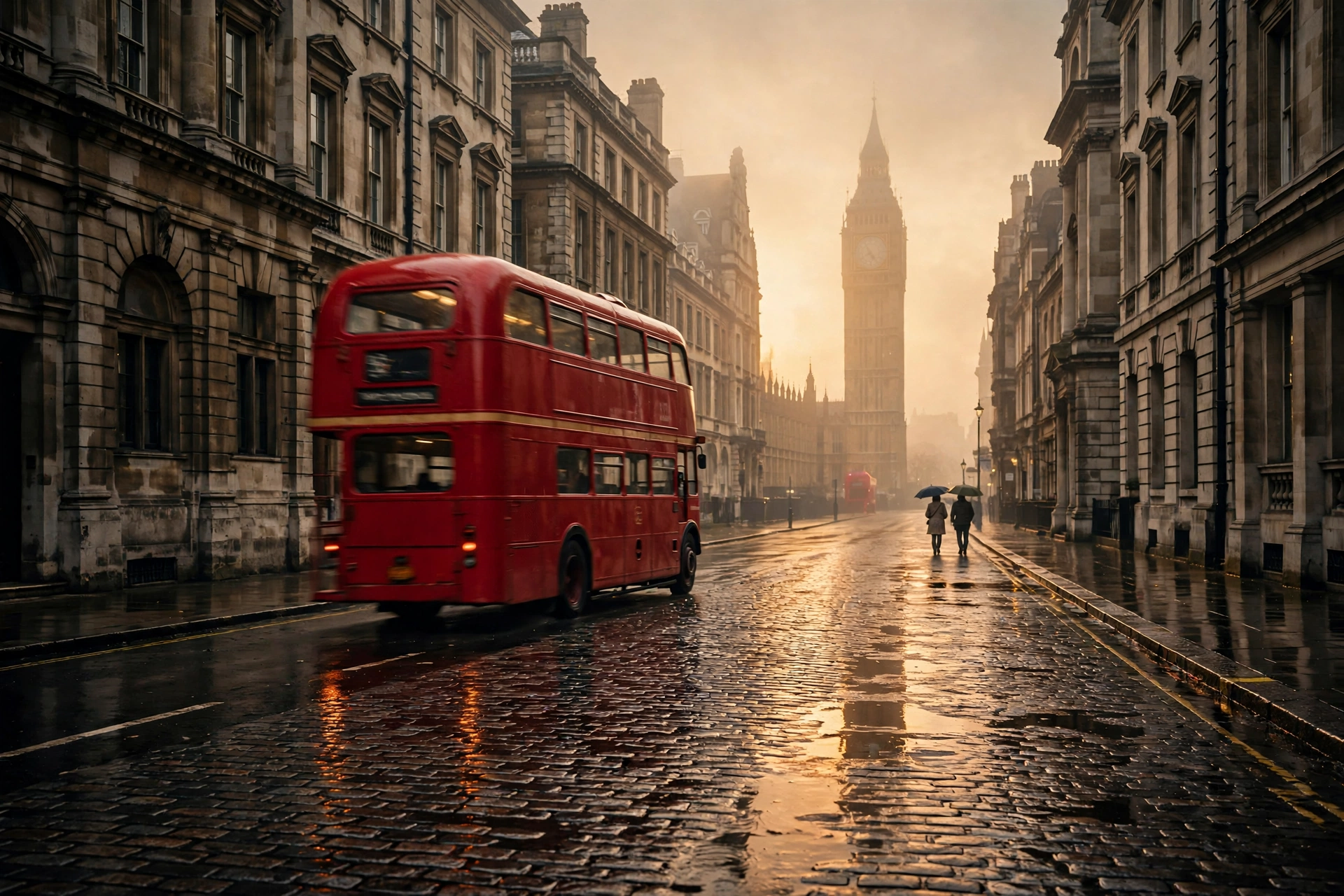
London has changed the way Indians arrive — not just the rules, but the paperwork itself. If the UK visitor visa for Indians confused you in past years, with one guide quoting £115 and another £127, 2026 finally brings clarity on both counts: there is one verified fee, and the biggest change of all — the passport sticker is gone. Since 25 February 2026, UK visitor visas are digital eVisas linked to your passport. Here is what that means for your application, your documents, and your budget.
Visa rules change fast. This guide was last verified on 9 October 2026 — always confirm on the official portal linked below before you apply.
The 2026 headline: digital eVisas, no more stickers
Until early 2026, a UK visitor visa meant a paper vignette glued into your passport. No longer. Under the digital-first switch that took effect on 25 February 2026, successful applicants receive an eVisa — a digital immigration record held in their UK Visas and Immigration (UKVI) online account, with no physical sticker. The practical upshot is excellent for travellers: you get your passport back at the end of your biometrics appointment instead of waiting weeks for it, and you prove your permission to enter by linking your passport to your UKVI account before you fly. The airline checks it digitally at departure. What has not changed: Indians are not eligible for the UK's Electronic Travel Authorisation (ETA) scheme — India is not on the ETA country list, so the Standard Visitor visa remains the only route.
UK visitor visa for Indians: the verified fee in 2026
Here is where 2026 finally settled the confusion. The standard 6-month visitor visa fee is now £135, following the Home Office fee increase that took effect on 8 April 2026 — up from the £127 most 2026 guides quoted, and well above the old £115 figure that still haunts search results. Since older guides differ, trust the gov.uk fee shown at checkout over anything else. Processing choices: the standard service decides within about 3 weeks of your biometrics appointment. In a hurry? Priority service (around 5 to 7 working days) costs an extra £500, and Super Priority (next working day, at select centres) adds £1,000. Add VFS Global's service charges of roughly ₹3,000 to ₹4,000 on top. Longer-validity visitor visas exist — 2-year, 5-year, and 10-year — but remember each stay is still capped at 6 months, and you must apply no earlier than 3 months before travel.
Fees are published on the Standard Visitor visa page on GOV.UK, and a detailed 2026 fee breakdown is tracked by immigration law specialists — worth a look if you are comparing the priority options. What you pay is non-refundable regardless of the outcome, so getting the amount right matters.
Documents: what to prepare
The UK does not interview you, which means your documents do all the talking. Assemble them as one coherent story:
- Valid passport covering your whole stay, with at least one blank page.
- Completed online application on gov.uk — keep your GWF reference number.
- One photograph, 45×35 mm, light grey or cream background.
- 6 months of bank statements, issued within the last 28 days (a healthy, consistent balance around ₹2 to 3 lakh is a common benchmark; avoid last-minute lump deposits).
- ITR acknowledgments for the last 2 to 3 years.
- Employment letter with salary, plus approved leave for your travel dates; business owners add registration and GST documents.
- Return flight booking and hotel reservations for the full stay.
- Cover letter with a day-wise itinerary, and an invitation letter if you are staying with family.
- Travel insurance — recommended rather than mandatory, unlike Schengen, but sensible given you must pay for any NHS treatment you receive.
The application, step by step
Apply online on the GOV.UK Standard Visitor visa page, pay the £135 fee by card, and book your biometrics at a VFS Global centre — there are more than 20 across India. Upload your supporting documents through the self-upload portal before the appointment, or pay for assisted scanning at the centre. At the appointment itself, expect fingerprints and a photograph, and you will walk out with your passport in hand. Then track your application online and wait for the decision email. Once approved, check that your eVisa is correctly linked to your passport in your UKVI account before you travel — border officers will look for the digital record, not a sticker.
“Britain does not interview you; it reads you. Every statement on paper must tell the same honest story.”
What gets UK visitor visas refused
With no interview to fall back on, refusals come down to what your paperwork says — and what it fails to say. The patterns are consistent year after year: bank statements that show a suspicious lump deposit a week before applying rather than months of genuine salary credits; an itinerary that is vague about where you will sleep each night; income on paper that does not match the lifestyle of the trip; and contradictions between the application form and older applications on record. The fix is the same in every case — 3 to 6 months of real financial history, a specific day-wise plan, and answers that are identical everywhere you have ever written them down. Build the file as if a careful stranger will cross-examine it, because that is exactly what happens.
Frequently Asked Questions
Do I need a UK ETA instead of a visa?
No. The ETA scheme is only for visa-exempt nationalities, and India is not on that list. Indian passport holders must apply for the full Standard Visitor visa.
How early can I apply for a UK visitor visa?
At most 3 months before your travel date. With standard processing around 3 weeks after biometrics, applying 6 to 8 weeks ahead gives you a comfortable buffer.
Is travel insurance mandatory for the UK visitor visa?
No — unlike Schengen, the UK does not require it. But visitors are not entitled to free NHS treatment, so carrying insurance is strongly recommended.
Can I work or extend my stay on a visitor visa?
No. You cannot work for a UK employer, be self-employed, live in the UK through repeated visits, or access public funds. Each visit is capped at 6 months.
What is the UKVI account, and do I actually need it?
Yes — under the eVisa system your immigration permission lives in your UK Visas and Immigration online account, not in your passport. Before you fly, make sure your current passport is linked to the account and that the details match exactly; airlines check the digital record at departure, and a mismatch can stop you boarding.
Dreaming of a London trip but dreading the paperwork? MyQuickTrippers plans UK itineraries for Indian travellers — message us on WhatsApp at +91 81711 58569.
Sources
- GOV.UK — Standard Visitor visa
- DavidsonMorris — UK visitor visa fees 2026
- ImmigrationWorld — UK visa fees from 8 April 2026
- Envoy Global — UK increases visa and service fees for 2026
Share this article