The Analogue Travel Guide: Planning an India Trip Without Your Phone
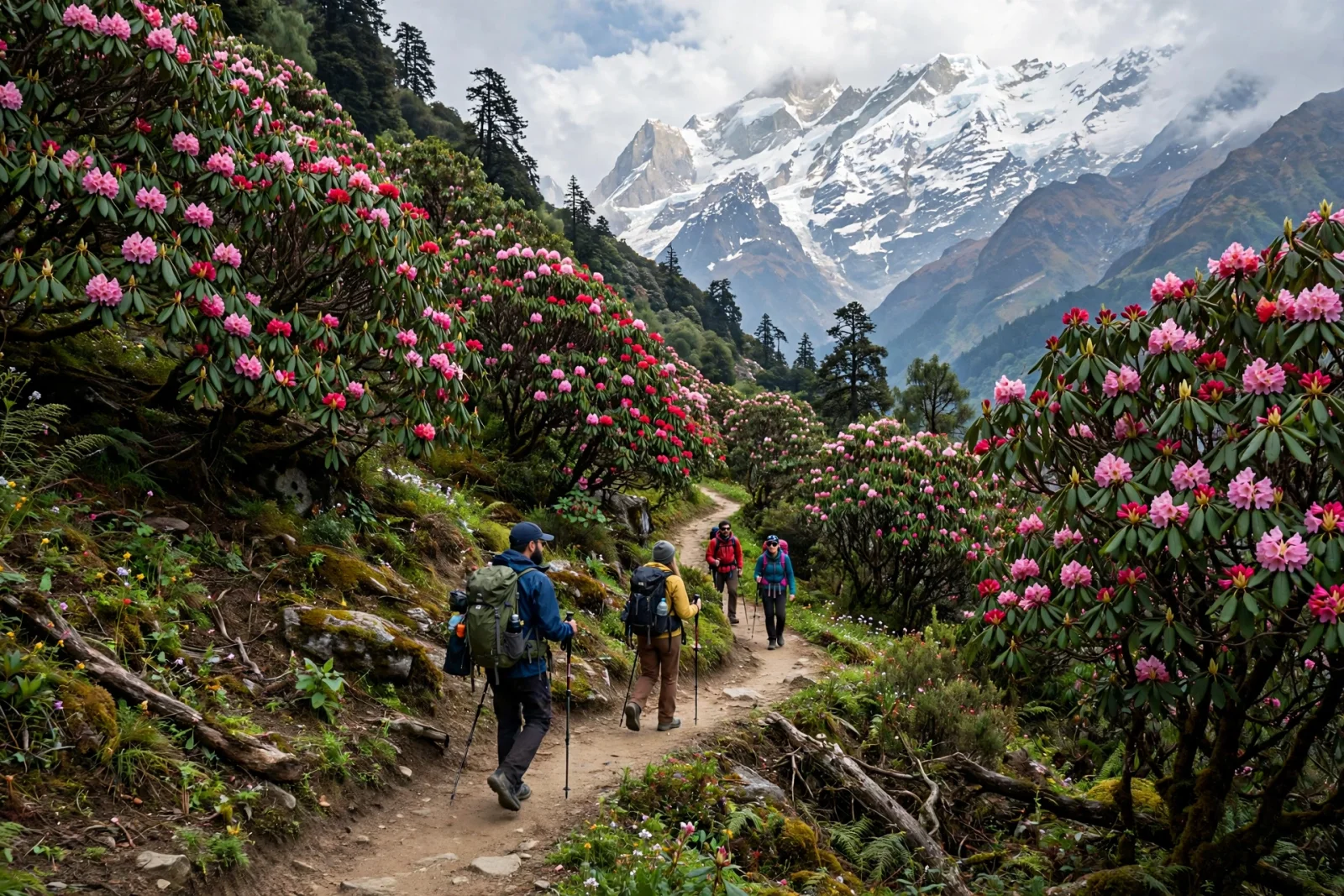
In 2026, the fastest-growing way to travel is the oldest one: without a phone. Search interest in analogue travel and digital detox is reportedly up roughly 5,000 percent, and the coverage has moved past trend pieces into lived experience — Mint's September 2026 Lounge essays describe travellers navigating by landmarks, buying physical tickets at booths, asking strangers for directions and writing the trip down instead of performing it. The insight driving it is sharp: the internet has meticulously marked and predicted everything, and in doing so it killed the very unpredictability that makes travel exciting.
Analogue travel — JOLO, the joy of logging off — puts serendipity back in. This guide makes it bookable: a practical India itinerary built around phone-free days, the places that reward it most, exactly what to carry, and how to stay safe and reachable while offline.
How analogue travel actually works
Analogue travel is not a digital detox retreat and it is not going off-grid in a bunker. The distinction matters: you still research and book everything online before you leave — trains, hotels, permits — and then the phone goes into a sealed pouch for the duration, emerging only for genuine emergencies. On the road you navigate with printed maps and landmarks, buy tickets at counters, ask for directions, shoot on a real camera, and record the trip in a notebook or sketchbook. The New Indian Express's September 2026 roundup of analogue escapes for the tech-tired frames it as a return to travel guided by paper maps and human connection — and Mint's analogue travel essays capture the texture: the wrong turns that become the best stories, the conversations that only happen when you look lost.
Where to go: five places that reward going analogue
- Tirthan Valley, Himachal Pradesh — the beginner's analogue valley. One main road runs beside the Tirthan river, the Great Himalayan National Park (a UNESCO World Heritage Site) is a day visit away, and short treks to Chhoi Waterfalls plus trout fishing with locals need no apps at all. Bhuntar is the nearest airport.
- Orchha, Madhya Pradesh — a compact heritage town on the Betwa where everything is walkable: Jahangir Mahal, Raja Mahal, the riverside chhatris at sunset, the Ram Raja Temple aarti. Ask locals for the lesser-known spots; word of mouth replaces the algorithm. Jhansi is 18 km away by rail.
- Majuli, Assam — the world's largest river island on the Brahmaputra: satras (Vaishnavite monasteries), mask-making and pottery workshops, bamboo architecture. Reach via Jorhat and the Nimati Ghat ferry — the ferry timetable on a paper slip is peak analogue.
- Yercaud, Tamil Nadu — the least commercialised of Tamil Nadu's hill stations: Lady's Seat viewpoints for slow sketching sessions, coffee-estate walks, the local market for spices. Salem Junction is the railhead; 250 km from Bengaluru.
- Mechuka Valley, Arunachal Pradesh — the advanced level. ILP permits, homestays, the Samten Yongcha monastery, and October–March as the only sensible window. Network is thin anyway, so the valley enforces the detox for you.
“the internet has meticulously marked and predicted everything, and in doing so it killed the very unpredictability that makes travel exciting”
The 4-day analogue itinerary template
Day 1 — Arrive and power down. Check in, seal the phone in its pouch with a note of the one emergency number that can reach you (your hotel's landline, given to family). Buy a physical map or pick up the hotel's printed one, and plan tomorrow over tea with the owner — their recommendations will beat any listicle.
Day 2 — Navigate by landmarks. Pick a walking circuit — old town, riverfront, market — and navigate by asking. Eat where the crowd is local.
Write the day down at night: three things seen, two people met, one thing you would have missed with a phone. Day 3 — The analogue excursion. A guided walk, a craft workshop, a boat ride, a monastery visit — anything where the experience is the souvenir.
Shoot a roll of film; the 36-frame limit makes every shot deliberate. Day 4 — The slow return. Morning at a viewpoint with the notebook, buy postcards and actually post them, unseal the phone at the station.
The re-entry shock is part of the experience — notice what you missed and what you did not. Most travellers report the same two things: the news cycle was entirely skippable, and the people were more interesting than the feed. Give the phone 24 hours of light use afterwards — notifications off, no doomscrolling — before the old habits creep back.
What to carry (the analogue kit)
- Paper map of the region + a physical guidebook or printouts of key bookings
- Notebook and pens — plus an analogue alarm clock so the phone stays sealed overnight
- Film camera or a simple digital camera (no SIM, no apps)
- Compass, torch, and a small first-aid kit
- Cash in mixed denominations — many small towns and counters are still cash-first
- Printed copies of all tickets, hotel confirmations and ID
- A list of emergency numbers on paper: hotel, local police, your family's landline/mobile
Staying safe while offline
Analogue does not mean unprepared. Before you seal the phone: share your full day-by-day itinerary with two people at home, with hotel names and landline numbers; note the local police and hospital numbers on paper; carry travel insurance details in print. Check in at fixed times from hotel landlines.
Travel with a companion for remote valleys like Mechuka or Tirthan's upper reaches. Keep the sealed phone charged and accessible for genuine emergencies — the discipline is in not unsealing it for anything less. And keep ID on you always; the trail on the Singalila ridge, for instance, crosses in and out of Nepal and requires government photo ID at all times.
Want a first analogue trip with the safety net built in? Our Kashmir tour (₹61,000), Rajasthan package (₹58,500), Manali trip (₹39,000) and Andaman escape (₹39,000) are all fully pre-booked — the perfect setup for sealing the phone on day one. WhatsApp +91 81711 58569 and ask for an analogue-style itinerary — we will pre-book everything, print your day-wise plan, and you seal the phone on day one.
Frequently Asked Questions
What is analogue travel?
Travelling the old-fashioned way: navigating with printed maps and landmarks, buying physical tickets, asking locals for directions, using real cameras, and writing or sketching the trip instead of using a phone — also called JOLO, the joy of logging off.
Is analogue travel the same as a digital detox?
Not quite. A detox is about disconnecting; analogue travel goes further into deliberate unplugging plus pre-digital methods — paper maps, guidebooks, film cameras, counter tickets — as the actual way of travelling.
Which places in India are best for analogue travel?
Tirthan Valley (Himachal), Orchha (MP), Majuli (Assam), Yercaud (Tamil Nadu) and Mechuka (Arunachal) — walkable, human-scale places where asking locals beats any app.
How do I stay safe travelling without a phone?
Pre-book everything, share your full itinerary with hotel landlines with two people at home, carry emergency numbers on paper, check in from landlines at fixed times, and keep the sealed phone charged for genuine emergencies.
What should I pack for an analogue trip?
Paper maps, a physical guidebook, notebook and pens, an analogue alarm clock, a film or simple camera, compass, cash, printed tickets and IDs, and emergency numbers on paper.
Sources
- The New Indian Express — analogue escapes for the tech-tired
- Mint — analogue travel essays
- The Indian Express — Digital detox trend | Old iPods, off-grid holidays, Lego bricks: Switching off the phone is new and growing market
Share this article