Best Hindu Tour Operator for Char Dham Yatra: How to Choose Right
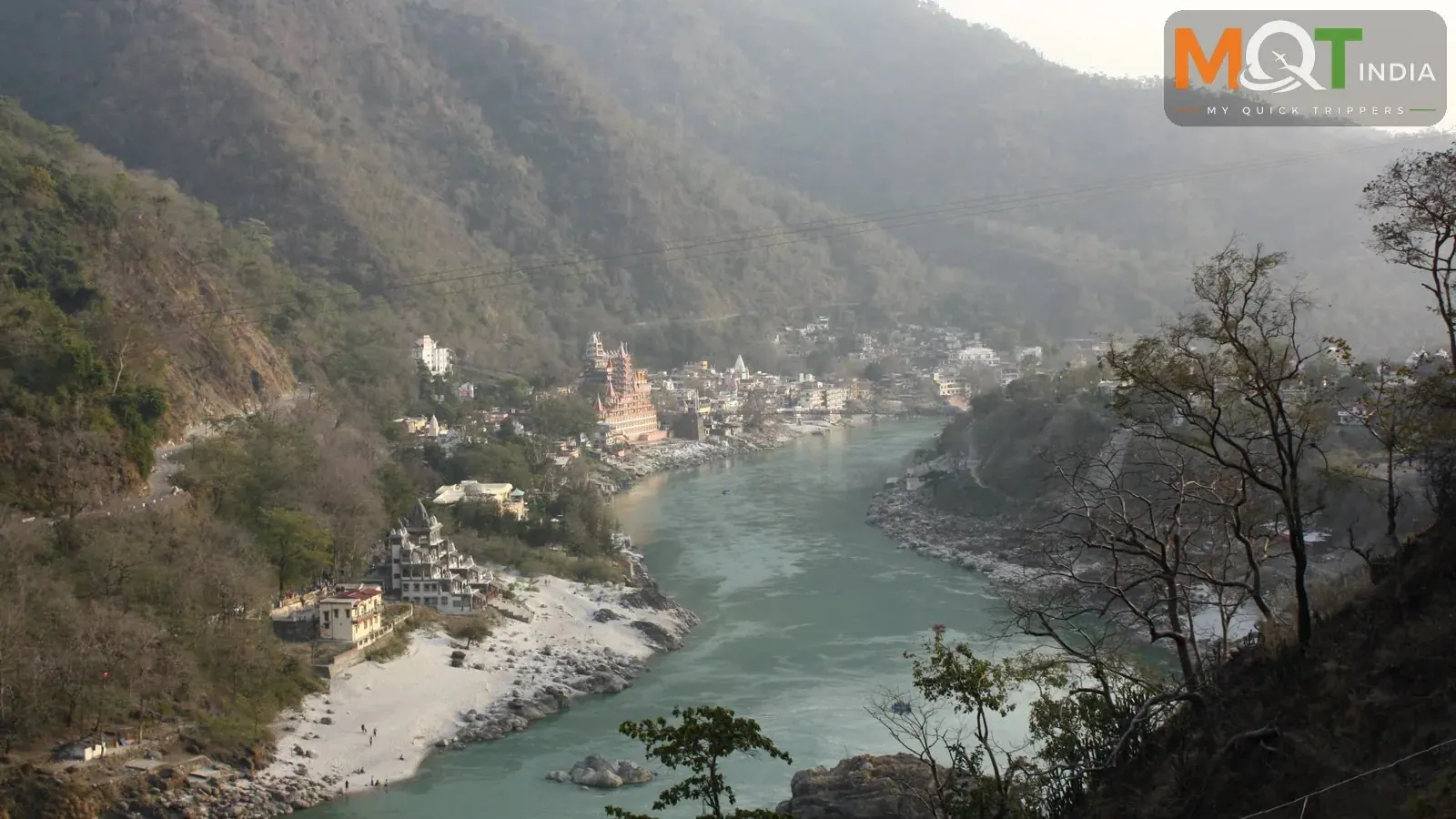
Finding the best Hindu tour operator for the Char Dham Yatra is one of the most important decisions a pilgrim family makes before setting out. The Char Dham — Yamunotri, Gangotri, Kedarnath and Badrinath — is not a sightseeing circuit but a high-altitude pilgrimage across the Garhwal Himalayas, and it rewards careful planning far more than it rewards speed. A specialist operator who understands the yatra as a religious practice, not just a logistics exercise, will sequence the dhams correctly, arrange mandatory biometric registration, manage darshan slots, and pace the journey so that even elderly pilgrims can complete it with dignity and comfort.
The journey begins long before you reach the first temple. Roads to the dhams wind through mountain valleys where weather changes fast, medical facilities are limited, and accommodation near the shrines fills up quickly during the season. Between Haridwar and Badrinath lies some of the most demanding driving in Uttarakhand, with Kedarnath requiring either a steep 16-kilometre trek or a helicopter flight depending on the pilgrim's health. A good Hindu tour operator absorbs this complexity quietly — permits handled, hotels confirmed, drivers who know every landslide-prone stretch — so the family can focus on what actually matters: the darshan itself.
This guide explains how to judge operators for the Char Dham Yatra honestly: the traditional west-to-east sequencing of the four dhams, what biometric registration and permits a specialist should arrange, how Kedarnath helicopter options actually work, how to pace the yatra for senior citizens, and a practical checklist for choosing the best Hindu tour operator for your family. Whether you travel with MyQuickTrippers or another operator, these are the standards any serious yatra specialist should meet.
Why the Char Dham Yatra Needs a Specialist Hindu Tour Operator
General tour companies treat the Char Dham like any other multi-day package — hotels, cabs, a sightseeing list. But the yatra has demands that only a specialist handles well. Temple opening and closing dates shift every year (the shrines typically open in April–May and close around October–November after Diwali), and arriving even a day after closure means the entire purpose of the trip is lost. Biometric registration is compulsory and must be completed before the journey begins. During the peak season of May–June, routes to the dhams see heavy traffic, and rooms near Kedarnath and Badrinath sell out weeks ahead.
A specialist Hindu tour operator also understands the religious rhythm of the journey. They know that darshan at Kedarnath is best planned for early morning before the crowds build, that Mondays draw extra devotees to Shiva temples, and that aarti timings matter more to a pilgrim family than any sightseeing schedule. They arrange Sattvik, pure vegetarian meals as a default rather than as a special request, keep temple etiquette briefings part of the onboarding, and never route the group through anything that compromises the spiritual purpose of the trip. If your family is also considering quieter sacred spots beyond the four dhams, our guide to religious places of Uttarakhand covers temples and tirthas that complement the main yatra beautifully.
The Traditional Char Dham Sequence: West to East
The best Hindu tour operators follow the traditional sequence — Yamunotri, then Gangotri, then Kedarnath, then Badrinath — moving from west to east across the Garhwal range. This order is not arbitrary: it follows the traditional parikrama logic of the region and gradually acclimatises pilgrims to higher altitudes as the journey progresses. Yamunotri, dedicated to Goddess Yamuna, is reached via a trek from Janki Chatti; Gangotri, dedicated to Goddess Ganga, is the most accessible of the four by road; Kedarnath, one of the twelve Jyotirlingas of Lord Shiva, sits at about 3,553 metres and demands either the trek or a helicopter; Badrinath, dedicated to Lord Vishnu, at roughly 3,300 metres, closes the circuit on a spiritually triumphant note.
Why the order matters for your body
Altitude rises across the sequence, and so does the physical demand. Starting at Yamunotri lets pilgrims ease into hill walking and thinner air before facing Kedarnath's demanding approach. Operators who reverse the order to 'save driving time' are prioritising logistics over your family's health — a useful early test of whether a company truly understands the yatra. Senior citizens in particular benefit from this gradual build-up, and a specialist will add buffer rest days at mid-altitude halts like Uttarkashi or Guptkashi rather than rushing between dhams.
What a Specialist Operator Actually Handles
When you hire the best Hindu tour operator for Char Dham, you are not paying for a cab and hotel bookings — those are commodities. You are paying for everything that can go wrong on a high-altitude pilgrimage and the expertise to prevent it. Here is what a serious specialist should take off your plate:
- Mandatory biometric registration for every pilgrim, completed before the journey begins, with physical registration slips carried in the vehicle.
- Route planning around the All-Weather Road works — check current conditions in our [Char Dham road updates](/blog/char-dham-road-updates) before finalising dates.
- Darshan-slot strategy: early-morning darshan planning at Kedarnath and Badrinath to avoid the worst queues, and aarti timing coordination.
- Accommodation within walking distance of the temples where possible — critical for elderly pilgrims who cannot manage long walks at altitude.
- Experienced hill drivers on vehicles suited to mountain roads, with oxygen support and first-aid available on the route.
- Helicopter coordination for Kedarnath from Phata, Guptkashi or Sirsi when the trek is not suitable for a family member.
- Medical planning: identifying hospitals on the route, advising on pre-yatra health checks, and pacing that respects altitude and age.
- Sattvik pure-vegetarian meals throughout, with Jain or no-onion-garlic arrangements available on request.
Biometric Registration and Yatra Permits
Every Char Dham pilgrim must complete biometric registration on the Uttarakhand government's Tourist Care portal before the yatra begins. Registration counters exist at Haridwar, Rishikesh and other entry points, but queues during the season can eat hours out of your first day. The best Hindu tour operators register the entire group online in advance, verify the details, and carry printed confirmations — turning a bureaucratic hurdle into a non-event.
Beyond registration, a specialist keeps track of the formalities pilgrims forget: valid photo ID for every member including children, the mandatory registration for helicopter passengers, and the health advisory protocols that apply on the Kedarnath route. They also monitor route advisories — cloudbursts and landslides can close stretches of the yatra road with little notice, and an operator with live contacts on the ground reroutes the group calmly instead of leaving you stranded at a blocked road. For the full route picture, our Char Dham Yatra route map lays out the standard circuit with distances and halts.
Kedarnath Helicopter Options and Senior-Citizen Pacing
Kedarnath is the crux of the yatra. The 16-kilometre trek from Gaurikund climbs steadily to 3,553 metres, and while fit pilgrims manage it in a day, it is genuinely demanding for anyone with knee, heart or breathing issues. Helicopter services operate from Phata, Guptkashi and Sirsi, with flights of roughly eight to ten minutes to the Kedarnath helipad, from where the temple is a short walk. Seats are limited and demand is intense in May–June, so a specialist operator books helicopter tickets the moment the official booking window opens rather than leaving it to chance.
For senior citizens, the right pacing matters as much as the transport mode. A well-designed itinerary gives elders a rest day at Guptkashi or Sonprayag before the Kedarnath leg, keeps driving days under six to seven hours, and avoids back-to-back high-altitude nights. Families often split the group — younger members trek while elders fly — and a good operator coordinates both seamlessly, reuniting everyone at the temple for darshan together. If someone in your group is considering the helicopter option specifically, our detailed Kedarnath guide covers the trek, the heli process and what to expect at the shrine.
How to Judge the Best Hindu Tour Operator: A Checklist
The Char Dham market is crowded with operators, and glossy websites hide enormous differences in on-ground competence. Use this checklist before you pay an advance:
- Ask how many Char Dham yatras they ran last season, and ask for references from pilgrim families — not corporate clients.
- Confirm they follow the traditional Yamunotri–Gangotri–Kedarnath–Badrinath sequence, and ask why. Their answer reveals their depth.
- Ask exactly how they handle biometric registration, darshan slots and helicopter bookings — vague answers are a red flag.
- Check whether the same team member travels with the group or whether you are handed to a local driver at Haridwar and forgotten.
- Ask about their medical contingency: what happens if an elder pilgrim feels unwell at Kedarnath?
- Insist on a written day-wise plan with named hotels, driving times and buffer days — and check their answers about realistic drive durations against our comparison of [Google Maps vs actual Char Dham travel time](/blog/google-maps-vs-actual-char-dham-travel-time).
- Verify what is included in the price: meals, registration fees, helicopter tickets, parking and tolls — and what is not.
“The yatra is not measured in kilometres covered but in darshans completed with a calm mind — the operator's job is to protect that calm.”
Frequently Asked Questions
What is the correct order for visiting the Char Dham?
The traditional order is Yamunotri, Gangotri, Kedarnath and finally Badrinath — west to east. This sequence follows regional tradition and gradually acclimatises pilgrims to altitude. Reputable Hindu tour operators follow this order; be cautious of anyone who rearranges it purely for driving convenience.
Is biometric registration really mandatory for the Char Dham Yatra?
Yes. Every pilgrim must complete biometric registration on the Uttarakhand government's Tourist Care portal. Registration is checked at multiple points on the route. A specialist operator completes this for the whole group before the journey so you never lose hours standing in registration queues at Haridwar or Rishikesh.
Can senior citizens complete the Char Dham Yatra?
Yes, with the right pacing and transport choices. Many operators design senior-friendly itineraries: shorter driving days, rest days at mid-altitude halts, helicopter flights to Kedarnath instead of the trek, and hotels close to the temples. A pre-yatra medical check-up is strongly advised for pilgrims with heart, respiratory or mobility conditions.
How do helicopter bookings for Kedarnath work?
Helicopters fly from Phata, Guptkashi and Sirsi to the Kedarnath helipad, taking about eight to ten minutes. Seats are booked through the official booking portal when the window opens, and they sell out fast in May–June. A good operator monitors the window and books immediately; last-minute seats are rarely available and never guaranteed.
When is the best time to do the Char Dham Yatra?
The shrines generally open in April–May and close around October–November. May–June offers pleasant weather but the heaviest crowds; September–October has thinner crowds and clear skies but colder nights. Avoid the monsoon months of July–August, when landslides frequently disrupt the yatra roads. For practical answers to common planning doubts, see our Char Dham Yatra FAQs.
Book with MQT India
MyQuickTrippers runs Char Dham Yatra itineraries the way pilgrims actually need them: traditional west-to-east sequencing, advance biometric registration, darshan-slot planning, senior-friendly pacing and helicopter coordination for Kedarnath. Tell us your group's ages, health considerations and preferred month, and we will design a yatra around them. WhatsApp us at +91 81711 58569 or visit myquicktrippers.com to plan your Char Dham Yatra.
Sources
- Uttarakhand Tourism (official) — Char Dham Yatra information
- Incredible India — Uttarakhand spiritual tourism
- Triveni Cabs — Delhi to Dehradun one-way cab fares
- Suri Tours — Delhi to Dehradun outstation taxi fares
Share this article