Best Tour Operator for Safe Journey in Uttarakhand: A Safety Guide
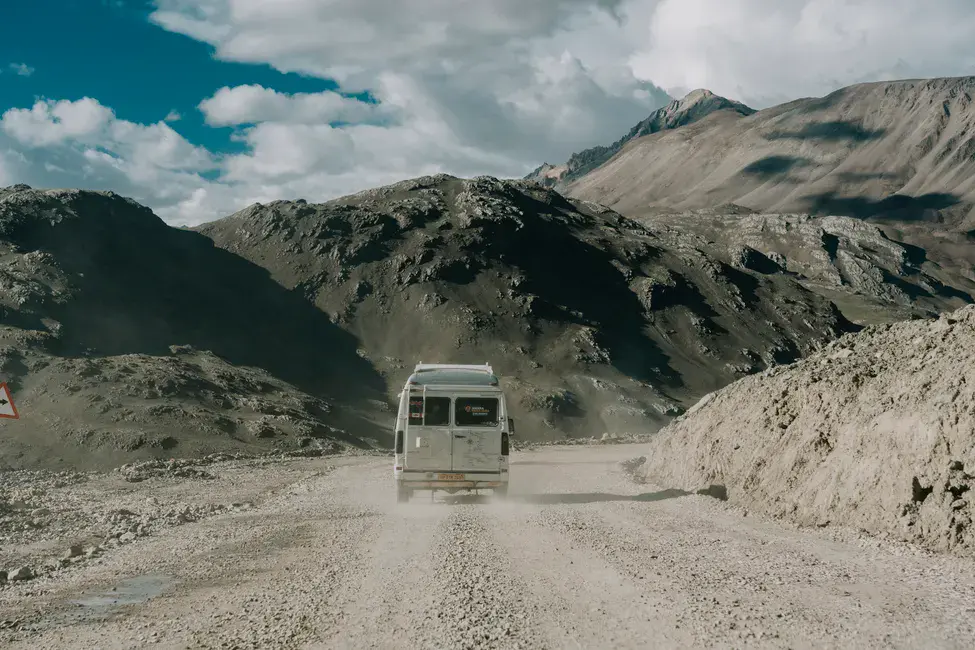
Choosing the best tour operator for safe journey planning in Uttarakhand is not a luxury. It is the single most important travel decision you will make for a hill trip. Every year, the Char Dham season and the summer holidays bring lakhs of visitors onto narrow mountain roads where a moment of driver fatigue, a bald tyre or a wrong call in bad weather can turn serious. The good news is that most hill travel incidents are preventable, and the operator you book determines whether those precautions are actually taken.
Safety in Uttarakhand travel is not one thing. It is a chain: a well-maintained vehicle, a rested and hill-experienced driver, a realistic daily driving plan, working communication during the trip, and a company that answers the phone when something goes wrong. This guide breaks down the real risks of hill travel, the safety practices a professional operator follows, and the exact questions to ask before you hand over your family's journey to anyone.
Whether you are planning a Char Dham yatra with elderly parents, a first hill trip with children, or a solo journey as a woman traveller, use this as your safety checklist. The right operator will welcome every one of these questions.
Understanding the Real Risks of Uttarakhand Hill Travel
Uttarakhand's roads demand respect. Beyond Rishikesh and Haridwar, highways narrow into mountain roads with blind curves, unprotected drops and sections prone to landslides, especially during the monsoon from July to September. Rockfall zones exist on the routes to Badrinath, Kedarnath and Gangotri, and sudden weather changes can turn a clear morning into a foggy, slippery afternoon. None of this means hill travel is reckless. It means the margin for error is smaller, so the quality of your driver and vehicle matters far more than it does on a Delhi-Agra expressway run.
The second risk is invisible: fatigue. Hill driving is exhausting, and itineraries that push 250 km of mountain road in a single day force drivers into long, tiring shifts. A responsible operator builds realistic daily distances into your plan. As a rule of thumb, check how your planned driving hours compare with reality using our Google Maps versus actual Char Dham travel time comparison, because navigation apps consistently underestimate mountain driving time. If your itinerary looks heroic on paper, ask who pays the price in driver alertness.
What a Safety-Focused Tour Operator Actually Does
The best tour operator for safe journey standards does a dozen small things you will never notice, and that is the point. Driver selection comes first: hill-experienced drivers who know the specific routes, understand engine braking on long descents, and have the judgment to stop when weather turns instead of pushing through. Ask operators how they vet drivers and whether the same driver stays with you for the whole trip, because continuity builds familiarity with your group's needs.
Vehicle discipline comes next. Professional operators run vehicles through pre-trip checks covering brakes, tyres, lights, wipers and first-aid kits, and they retire or reassign vehicles that are not hill-fit. During the trip, GPS tracking lets the operations team monitor the vehicle's location and speed, and trip-sharing links let your family follow your progress from home. Confirm before booking that the vehicle assigned to you is actually tracked, not just theoretically trackable.
- Hill-experienced, background-verified drivers assigned for the full trip, not rotated daily.
- Pre-trip vehicle safety checks: brakes, tyres, lights, wipers, stepney and first-aid kit.
- GPS-tracked vehicles with live location sharing for the family back home.
- Enforced driver rest hours and a no-night-driving policy on hill stretches.
- A 24x7 on-trip support number answered by the operations team, not a sales executive.
- Backup vehicle arrangement promised in writing for breakdowns on remote routes.
Safety Practices for Women and Solo Travellers
Women and solo travellers deserve specific assurances, and a professional operator provides them without being asked twice. Before the trip, you should receive your driver's name, photograph and vehicle registration number. Hotels should be in safe, well-located areas rather than isolated properties chosen purely for low cost, and the operator should share the full day-wise hotel list in advance so someone at home always knows where you are each night.
During the journey, the 24x7 support line matters most for solo travellers. Test it before you need it: call the number during the planning stage and see who answers and how. A company that responds promptly to a planning query is far more likely to respond at 10 pm when you need help. If you are travelling to the religious places of Uttarakhand for pilgrimage, also confirm temple-town logistics in advance, because places like Kedarnath involve treks and overnight stays where planning ahead genuinely improves safety.
“A safe trip is not an accident. It is the result of a hundred small decisions made by your operator before you ever get into the car.”
Monsoon and Weather Protocols Worth Asking About
Travelling between July and September needs an operator with explicit monsoon protocols, not just optimism. Ask how they monitor weather and road advisories, whether itineraries include buffer days for landslide delays, and what happens to your hotel bookings if a road closure forces a reroute. The Char Dham road updates we track show how frequently conditions change in season, and your operator should be watching the same information.
Practical monsoon practices include starting hill drives early in the day, avoiding known landslide-prone stretches during heavy rain hours, carrying rain protection and keeping emergency contacts for each district on the route. An operator who brushes off monsoon concerns with a cheerful do not worry is telling you they have no protocol. One who explains their actual process is telling you they have done this before.
The Safety Questions to Ask Before Booking
Turn these into a checklist and send them to every operator you shortlist. Compare answers in writing.
- How do you select and verify your hill drivers, and will one driver stay with us throughout?
- What is the model year, service history and hill-fitness check process for our vehicle?
- Is the vehicle GPS-tracked, and will my family receive a live trip-sharing link?
- What are your driver duty-hour limits, and do you prohibit night driving on hill roads?
- Who do I call 24x7 during the trip, and what is your breakdown backup plan on remote routes?
- What is your monsoon protocol if we travel between July and September?
- Can you share hotel names and locations in advance, and are they in safe, central areas?
Frequently Asked Questions
Is it safe to travel to Uttarakhand with small children?
Yes, with sensible planning. Choose realistic daily driving distances, keep buffer days, carry children's medicines and warm layers even in summer for higher altitudes, and confirm child-friendly hotel arrangements in advance. Discuss the pace openly with your operator rather than accepting a packed itinerary.
Is Uttarakhand safe for women travelling alone?
Uttarakhand is among the more traveller-friendly hill states, and thousands of women travel here solo every season. Book through an operator that shares driver identity in advance, provides GPS trip sharing, books centrally located hotels and maintains a responsive 24x7 support line. Share your full itinerary with someone at home.
Should I avoid night driving in the hills?
Yes. Night driving on mountain roads multiplies risk because of poor visibility, unexpected obstacles and driver fatigue. A safety-conscious operator plans halts so that hill driving happens in daylight, and a driver who refuses a night hill stretch is showing professionalism, not inconvenience.
What should I do if our vehicle breaks down on a remote route?
Call your operator's 24x7 support line immediately and share your live location. This is exactly why you confirmed a breakdown backup plan before booking. Stay with the vehicle in remote stretches, keep warm clothing accessible, and let the operator coordinate the replacement rather than accepting help from unverified strangers.
How does travel insurance fit into hill trip safety?
Travel insurance does not prevent incidents, but it protects you financially if they happen, covering medical emergencies and trip interruptions. For Char Dham and high-altitude itineraries, check that your policy covers the altitudes you will reach. Ask your operator whether they can recommend suitable coverage.
Book with MQT India
Safety is the foundation of every MQT India trip: verified hill-experienced drivers, GPS-tracked vehicles, realistic day-wise pacing, centrally located hotels and a 24x7 operations line that actually answers. Planning a family yatra, a first hill holiday or a solo journey? WhatsApp us at +91 81711 58569 or visit myquicktrippers.com and travel with your safety handled by people who take it seriously.
Sources
- Doon Cabs — Dehradun airport taxi fare guide — dehradun-airport-taxi
- Gozocabs — Jolly Grant airport to Mussoorie taxi booking — dehradun airport to mussoorie
- Oneway.cab — Jolly Grant airport to Rishikesh fare — airport to rishikesh fares
- Uttarakhand.cab — Dehradun airport to Rishikesh taxi fare blog — airport taxi fare guide
Share this article