Bharat Ki Sabse Lambi Nadi: Ganga and India's 10 Longest Rivers
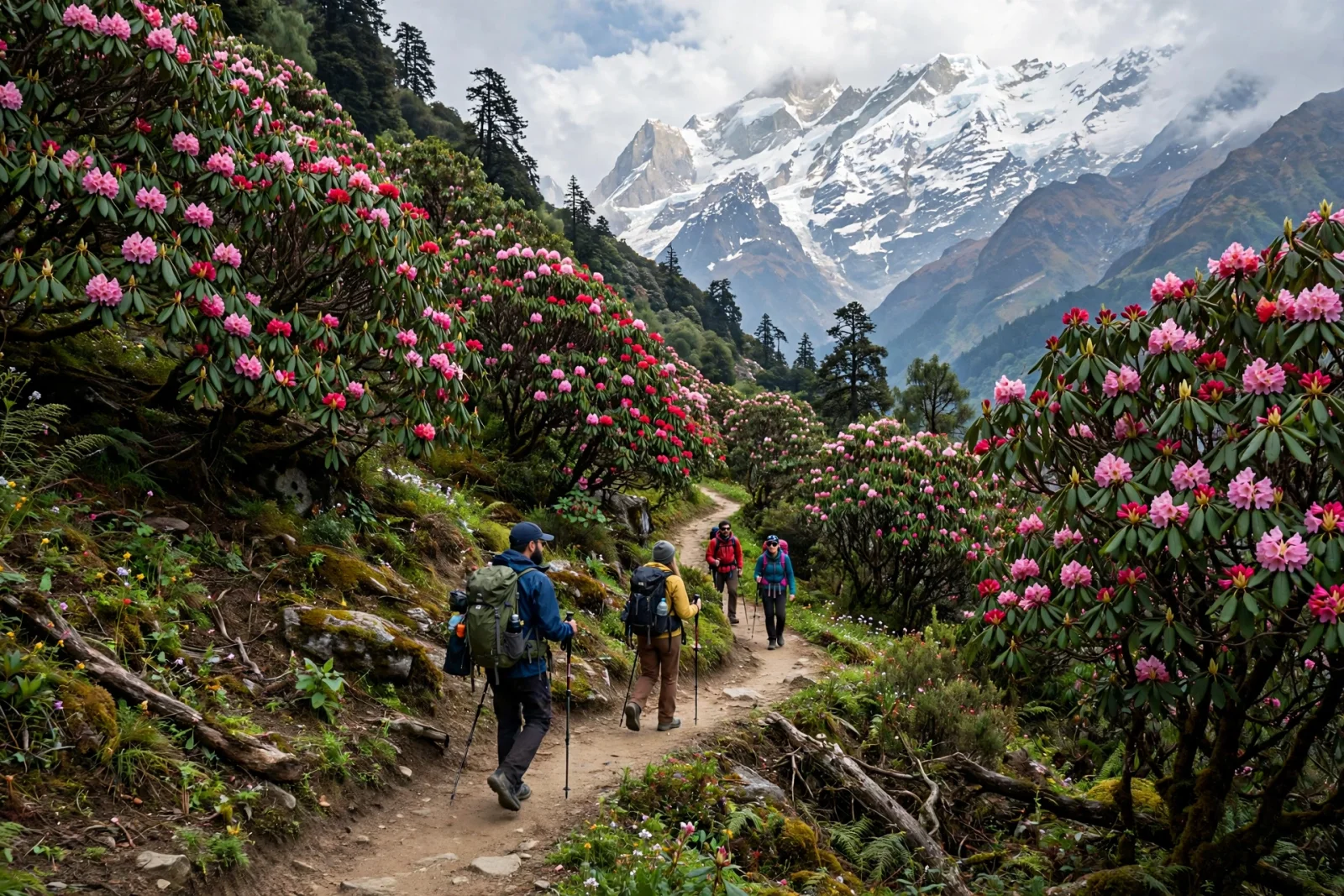
भारत की सबसे लंबी नदी गंगा है — the Ganga is India's longest river, flowing 2,525 kilometres from the Gangotri Glacier in Uttarakhand to the Bay of Bengal. It is also the most sacred river in India and the lifeline of the northern plains, sustaining over 400 million people across Uttarakhand, Uttar Pradesh, Bihar, Jharkhand and West Bengal. This guide answers the question fully: the Ganga's length and course, India's ten longest rivers ranked, why some sources name the Brahmaputra instead, and the best river-side travel experiences in India.
Bharat Ki Sabse Lambi Nadi: The Direct Answer
The Ganga (Ganges) is the longest river in India at 2,525 km. It originates as the Bhagirathi from the Gangotri Glacier at Gaumukh in Uttarakhand, becomes the Ganga at Devprayag where it meets the Alaknanda, and flows through the great plains — past Haridwar, Kanpur, Prayagraj (where it meets the Yamuna at the Triveni Sangam), Varanasi and Patna — before entering Bangladesh and emptying into the Bay of Bengal through the Sundarbans delta. No other river flowing through India matches its length within the country's borders.
India's 10 Longest Rivers, Ranked
- Ganga — 2,525 km. Origin: Gangotri Glacier, Uttarakhand. Flows through Uttarakhand, UP, Bihar, Jharkhand, West Bengal.
- Godavari — 1,465 km. Origin: Trimbakeshwar, Maharashtra. India's longest peninsular river; flows through Maharashtra, Telangana, Andhra Pradesh.
- Krishna — 1,400 km. Origin: Mahabaleshwar, Maharashtra. Flows through Maharashtra, Karnataka, Telangana, Andhra Pradesh.
- Yamuna — 1,376 km. Origin: Yamunotri Glacier, Uttarakhand. The Ganga's largest tributary; flows through Uttarakhand, UP, Haryana, Delhi.
- Narmada — 1,312 km. Origin: Amarkantak, Madhya Pradesh. Flows west through MP, Maharashtra and Gujarat to the Arabian Sea.
- Indus (Sindhu) — about 3,180 km in total, but only around 1,114 km flows through India (Ladakh). Origin: Tibet.
- Brahmaputra — about 2,900 km in total, but only around 916 km flows through India (Arunachal Pradesh and Assam). Origin: Tibet.
- Mahanadi — 858 km. Origin: Chhattisgarh. Flows through Chhattisgarh and Odisha.
- Kaveri — 805 km. Origin: Talakaveri, Karnataka. Flows through Karnataka and Tamil Nadu.
- Tapi (Tapti) — 724 km. Origin: Madhya Pradesh. Flows west through MP, Maharashtra and Gujarat.
Why Some People Say the Brahmaputra Is Longer
This is the source of most confusion. The Brahmaputra is indeed longer than the Ganga in total length — roughly 2,900 km from its origin in Tibet, through Arunachal Pradesh and Assam, into Bangladesh. But only about 916 km of that course lies within India. When the question is भारत की सबसे लंबी नदी — the longest river of India, measured by length flowing through India — the answer is unambiguously the Ganga at 2,525 km. The same logic applies to the Indus: longer overall, but mostly outside India.
The Ganga's Sacred Geography
The Ganga's importance goes far beyond hydrology. Its source region in Uttarakhand is the Char Dham heartland — Gangotri, where the river is worshipped at its origin temple, and Yamunotri, source of its great tributary the Yamuna. Downstream, the river defines India's holiest cities: Haridwar, where it enters the plains; Prayagraj, where the Kumbh Mela gathers at the Sangam; and Varanasi, where the evening Ganga Aarti at Dashashwamedh Ghat is among India's most moving spectacles. The river is personified as the goddess Ganga in Hindu tradition, and a dip in its waters is believed to wash away sins.
Ganga vs Godavari vs Brahmaputra: The Length Debate Explained
Students and quiz-takers often get tripped up by three competing claims, so here is the clean way to remember them. Longest river in India by length within the country: the Ganga, 2,525 km. Longest river that flows entirely or mostly through peninsular India: the Godavari, 1,465 km, often called the Dakshin Ganga. Longest river in the Indian subcontinent overall: the Brahmaputra at about 2,900 km total — but it spends most of that journey in Tibet and Bangladesh, with only about 916 km in India. In competitive exams, unless the question specifies total length regardless of borders, the expected answer for India's longest river is always the Ganga.
Major Tributaries That Feed the Ganga
The Ganga's great length is built by its tributaries. The Yamuna, itself 1,376 km long, joins at Prayagraj and is the largest tributary by volume. The Ghaghara, Gandak and Kosi descend from Nepal and join in Bihar and eastern UP. The Son joins from the south near Patna. From the Himalayas in Uttarakhand come the Alaknanda, Bhagirathi, Mandakini and Dhauliganga — the Panch Prayag confluences (Vishnuprayag, Nandprayag, Karnaprayag, Rudraprayag and Devprayag) where these rivers meet are themselves major pilgrimage sites on the Char Dham route.
Rivers and India's Festival Calendar
India's rivers anchor its festival calendar. The Kumbh Mela — the largest peaceful gathering on earth — rotates between Prayagraj (Ganga-Yamuna Sangam), Haridwar (Ganga), Nashik-Trimbakeshwar (Godavari) and Ujjain (Shipra). Chhath Puja in Bihar and eastern UP is offered directly to the Sun on riverbanks. The Pushkaram festivals honour twelve sacred rivers in twelve-year cycles, and Kerala's Onam season brings the famous snake-boat races to the backwaters. Knowing which river hosts which festival turns a geography answer into a travel plan.
River Travel Experiences in India
India's rivers are not just geography — they are journeys. The Ganga Aarti at Varanasi and Haridwar, sunrise boat rides past Varanasi's ancient ghats, the Triveni Sangam at Prayagraj, Brahmaputra river cruises in Assam past Kaziranga's grasslands, backwater cruises on Kerala's rivers and the Alleppey network, and white-water rafting on the Ganga at Rishikesh all rank among the country's great travel experiences. For pilgrims, combining river cities with the Char Dham circuit — Gangotri and Yamunotri at the source, Haridwar and Rishikesh downstream — makes a coherent and deeply meaningful itinerary.
Protecting India's Rivers
Knowing India's longest rivers comes with a responsibility worth stating. The Ganga's Namami Gange mission, sewage treatment projects at Kanpur and Varanasi, and the ban on single-use plastic near ghats are all responses to real pressure on the river that 400 million people depend on. As a traveller, the contribution is simple: never leave plastic or offerings wrapped in plastic at ghats, use designated changing and bathing facilities, and choose boat operators and riverside stays that manage waste properly. The longest river in India deserves the longest memory of respect.
Frequently Asked Questions
Bharat ki sabse lambi nadi kaun si hai?
भारत की सबसे लंबी नदी गंगा है, जिसकी लंबाई 2,525 किलोमीटर है। यह उत्तराखंड के गंगोत्री हिमनद से निकलकर बंगाल की खाड़ी में गिरती है। The Ganga is India's longest river at 2,525 km.
What is the longest river in India and its length?
The Ganga is the longest river in India, measuring 2,525 kilometres from the Gangotri Glacier in Uttarakhand to the Bay of Bengal.
Is the Brahmaputra longer than the Ganga?
In total length, yes — the Brahmaputra is about 2,900 km. But only around 916 km of it flows through India, while the Ganga flows 2,525 km within India. By length within India, the Ganga is the longest.
Which is the longest peninsular river in India?
The Godavari, at 1,465 km, is the longest peninsular river in India, originating at Trimbakeshwar in Maharashtra and flowing east to the Bay of Bengal.
Where does the Ganga originate and end?
The Ganga originates as the Bhagirathi from the Gangotri Glacier at Gaumukh in Uttarakhand and ends in the Bay of Bengal through the Sundarbans delta, after flowing through Uttarakhand, Uttar Pradesh, Bihar, Jharkhand and West Bengal.
Share this article