Do Dham Yatra: Kedarnath & Badrinath Itinerary Guide
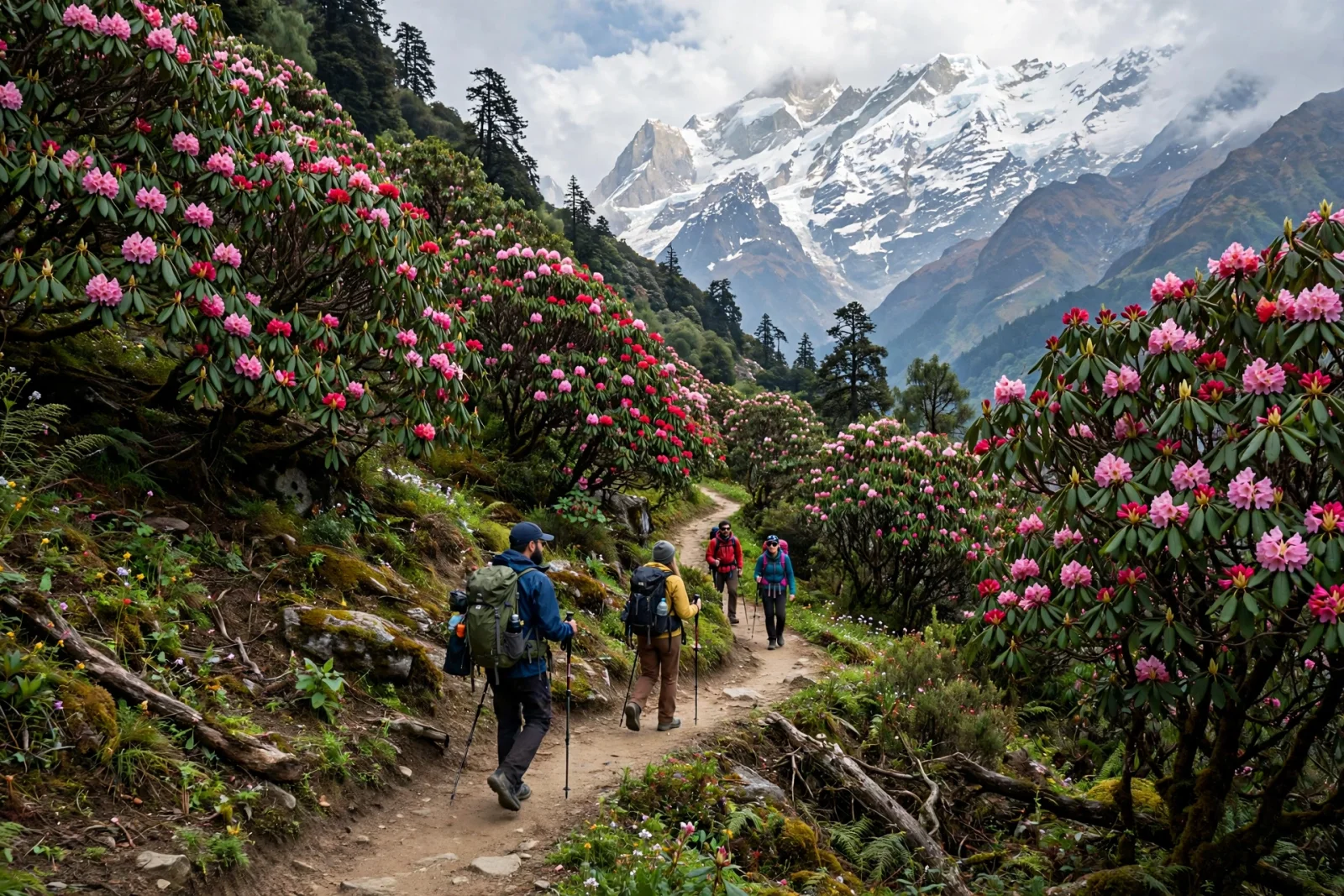
The Do Dham Yatra — Kedarnath and Badrinath together — is the smart pilgrim's answer to the time problem. The full Char Dham needs 10 to 12 days; the Do Dham captures the two most significant shrines, one Jyotirlinga and one Vishnu dham, in 6 to 7 days by road or 2 to 3 days by helicopter. For most working professionals and families, this is the sweet spot.
This guide gives you the complete Do Dham picture: the route and why the order matters, a day-wise itinerary from Haridwar and Delhi, the best months, road versus helicopter, registration essentials, and answers to the questions every first-timer asks.
Why Do Dham: The Logic of the Two-Shrine Circuit
Kedarnath and Badrinath are the spiritual heavyweights of Uttarakhand — the holiest Shiva shrine and the holiest Vishnu shrine of the Char Dham, sitting in adjacent valleys of the Garhwal Himalayas. The circuit between them, via Guptkashi, Ukhimath and Joshimath, is logistically clean: you climb to Kedarnath, descend, traverse the mountains, and arrive at Badrinath with the road doing the hard work.
The traditional order is Kedarnath first, then Badrinath. There is a practical reason beyond tradition: the Kedarnath trek demands fresh legs and good weather, so tackling it first — when your energy is highest — is simply smarter planning. The Badrinath leg that follows is gentler, a reward after the climb.
Best Time for the Do Dham Yatra
Both temples typically open in late April or May and close around Diwali; confirm the 2027 dates with the authorities before booking. May to mid-June is peak season — vibrant, crowded, with the longest days. Mid-September to October is the connoisseur's choice: clear mountain views, thinner crowds, stable roads and a calmer darshan experience at both shrines.
Avoid July-August if you can: the monsoon brings landslide risk on the Rudraprayag–Guptkashi and Joshimath–Badrinath stretches, and the Kedarnath trek is at its most slippery. If monsoon is your only window, add two buffer days and travel strictly in daylight hours.
Do Dham Itinerary: 6 Days from Haridwar
- Day 1: Arrive Haridwar. Complete registration formalities, evening Ganga aarti at Har Ki Pauri. Overnight Haridwar.
- Day 2: Drive Haridwar to Guptkashi via Devprayag, Srinagar and Rudraprayag (8-9 hours). Overnight Guptkashi.
- Day 3: Drive to Sonprayag and Gaurikund; trek 16 km to Kedarnath. Evening aarti. Overnight Kedarnath.
- Day 4: Dawn darshan, trek down to Gaurikund, drive to Guptkashi or Ukhimath. Rest. Overnight halt.
- Day 5: Drive to Badrinath via Joshimath (long day, 8-9 hours). Evening darshan. Overnight Badrinath.
- Day 6: Morning darshan, Mana village excursion, drive back to Rudraprayag or Srinagar. Overnight halt.
- Day 7: Drive to Haridwar and onward to Delhi. (A 6-day version merges days 6-7 with an early start.)
Road vs Helicopter for Do Dham
By road: the full experience
The 6 to 7-day road circuit suits reasonably fit pilgrims who want the complete journey — the mountain towns, the slow approach, the trek. It is also far more economical. Our Badrinath Kedarnath tour, Badrinath Kedarnath Yatra from Delhi and Badrinath Kedarnath Yatra from Haridwar packages run this exact circuit with stays, transfers and darshan logistics handled.
By helicopter: the fast track
The Do Dham Yatra by Helicopter and the Badri-Kedar helicopter circuits complete both darshans in 2 to 3 days from Dehradun, with VIP darshan assistance. This is the right choice for senior citizens, those with limited mobility, or anyone combining the yatra with a tight schedule. Book peak-season seats 2-3 months ahead.
Practical Tips for the Do Dham Circuit
- Register for the Char Dham Yatra online before travelling; carry the slip and photo ID throughout.
- Do the Kedarnath trek first while legs are fresh — never reverse the order to 'save' the trek for later.
- Keep Day 4 deliberately light: the descent plus a drive is exhausting; rest at Ukhimath or Guptkashi.
- Pack for two climates: the Kedarnath trek needs full winter layering, Badrinath town is milder.
- Carry cash for the Kedarnath leg — no ATMs beyond Gaurikund.
- Book Badrinath accommodation in advance for May-June; the town fills completely.
- Add Mana village (4 km beyond Badrinath) — it needs only half a day and is unmissable.
Extending the Do Dham: Worthwhile Detours
The Do Dham corridor is dense with sacred sites that most itineraries rush past. Triyuginarayan — 12 km from Sonprayag — is the temple where Shiva and Parvati are believed to have married, with an eternal flame said to have burned since the ceremony; it fits neatly into the Kedarnath leg. Ukhimath's Omkareshwar temple, the winter seat of Kedarnath, is a serene stop on the Guptkashi route. On the Badrinath leg, Mana village's Bhim Pul and Vyas Gufa, and the hot springs of Tapt Kund, deserve unhurried hours.
Adding two days for these detours transforms the Do Dham from a checklist into a journey — and the driving days become shorter and more humane. Discuss the extensions when booking: most operators can weave Triyuginarayan and Mana into the standard circuit without restructuring the trip.
Is the Do Dham possible in 5 days?
Technically yes from Haridwar with perfect roads and no buffer — but it leaves zero margin for weather, traffic or tired legs, and the Kedarnath trek deserves a fresh start. Six to seven days is the honest minimum for a road Do Dham; five days only works comfortably by helicopter.
Which dham should I visit first?
Kedarnath first, always — tradition and physiology agree. The trek demands fresh legs and the best weather window; Badrinath's road-accessible darshan is the gentle finale. Reversing the order is the most common itinerary mistake first-timers make.
Can I add Hemkund Sahib to the Do Dham?
Yes — Hemkund Sahib (4,329 m) branches off at Govindghat on the Badrinath route, adding 3-4 days: Govindghat to Ghangaria, the steep 6-km climb to the gurudwara, and the Valley of Flowers option from the same base. It is a serious high-altitude addition — attempt it only if the Do Dham legs felt comfortable, and only in its June-October season.
Frequently Asked Questions
How many days are enough for Do Dham?
Six to seven days from Haridwar by road, including the Kedarnath trek and a buffer. By helicopter, 2 to 3 days from Dehradun. Rushing it into 4-5 days by road is possible but exhausting and leaves no margin for weather.
Can senior citizens do the Do Dham Yatra?
Yes — Badrinath is fully road-accessible, and Kedarnath can be done by helicopter or palki. Many families do a hybrid: helicopter to Kedarnath, road to Badrinath. See our Char Dham with senior citizens guide for detailed planning.
Which is better: Do Dham or Char Dham?
Do Dham if you have a week or less, or if anyone in the group has limited stamina — it covers the two most important shrines. Char Dham if you have 10-12 days and want the complete traditional circuit including Yamunotri and Gangotri.
Is registration needed for Do Dham?
Yes — the same mandatory Char Dham biometric registration applies, since both shrines are part of the circuit. Register online in advance or at counters in Haridwar, Rishikesh, Sonprayag and Joshimath.
What is the road condition between Kedarnath and Badrinath?
The Guptkashi–Ukhimath–Chamoli–Joshimath–Badrinath route is a full-day mountain drive of 8-9 hours on winding but generally good roads. Start by 6 AM, and avoid the monsoon months when landslide risk is highest on this stretch.
Two shrines, one valley system, a week of mountains — the Do Dham Yatra delivers the essence of the Char Dham without demanding a fortnight. Trek Kedarnath while you are fresh, savour Badrinath at leisure, and keep a buffer day for the Himalayas' moods. To have the circuit arranged around your dates and group, chat with our travel experts on WhatsApp to plan this trip.
Share this article