Kedarnath Yatra 2027: Complete Travel Guide
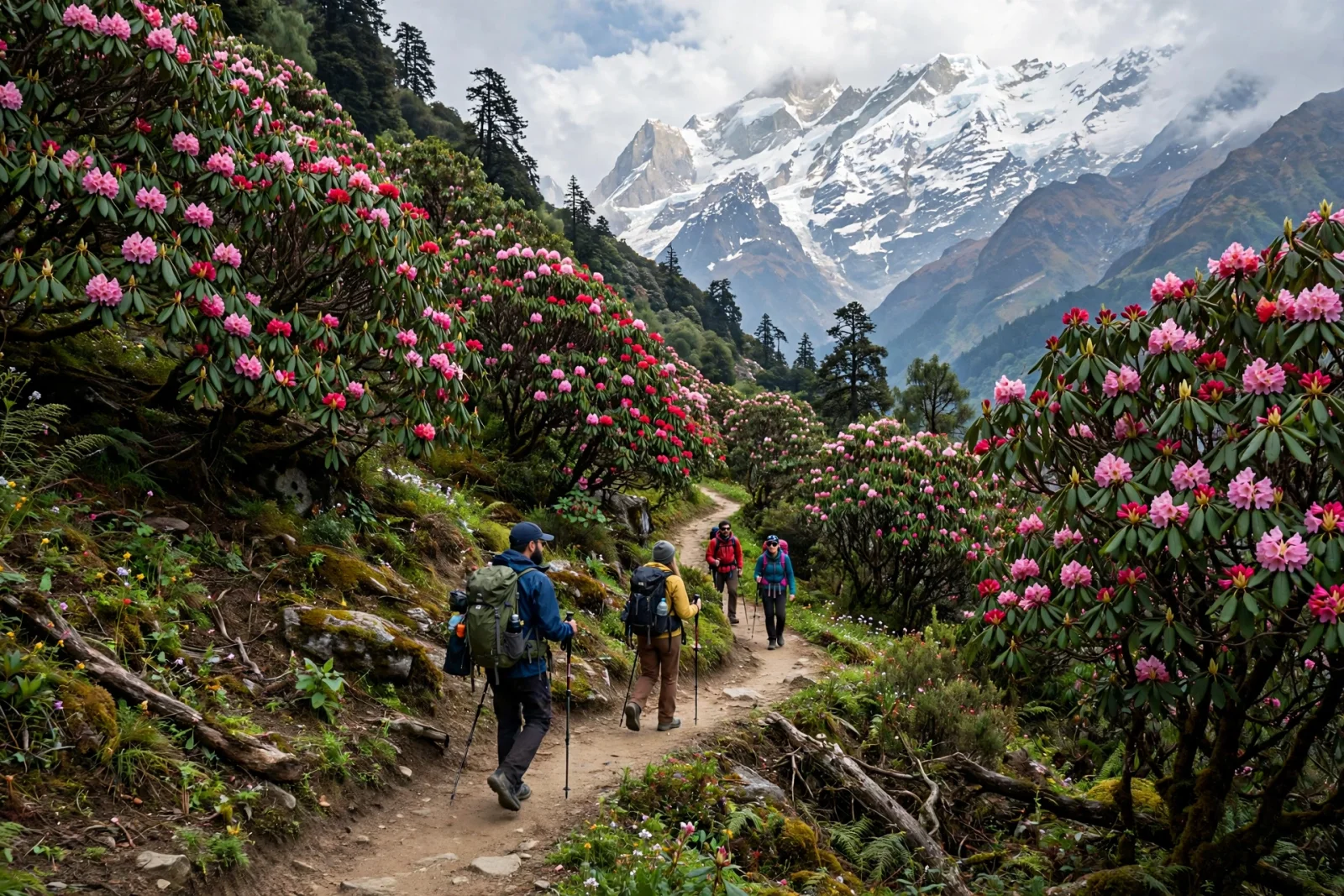
Planning the Kedarnath Yatra 2027 begins long before you set foot in the mountains. This is one of India's most demanding and most rewarding pilgrimages — a journey to a 3,500-plus-metre shrine that sits beneath the Kedarnath peak in the Rudraprayag district of Uttarakhand, reached after a steep mountain trek of around 16 kilometres. Millions attempt it every season, and the difference between a smooth yatra and a miserable one almost always comes down to preparation.
This complete guide covers everything a first-time pilgrim needs: the best time to visit, how to reach Kedarnath from Delhi, Haridwar and Dehradun, the registration process, what the trek actually feels like, helicopter options, where the journey can be extended, and a practical day-wise itinerary. Whether you are travelling solo, with family, or with senior citizens, use this as your single reference for the 2027 season.
Why the Kedarnath Yatra Matters
Kedarnath is one of the twelve Jyotirlingas — the holiest Shiva shrines in Hinduism — and the most remote of the Char Dham temples of Uttarakhand. Legend holds that the Pandavas sought Lord Shiva here to atone after the Kurukshetra war, and that Shiva, eluding them in the form of a bull, dived into the ground, leaving his hump at Kedarnath. That hump is worshipped in the sanctum of the ancient stone temple, which is believed to be over a thousand years old.
The shrine stands on the banks of the Mandakini river, flanked by towering snow peaks. In June 2013, devastating flash floods destroyed much of the Kedarpuri township — yet the temple itself stood firm, an event devotees regard as miraculous. The entire base infrastructure has since been rebuilt with wider paths, retaining walls, shelters and medical posts, making the modern yatra far safer than it was a decade ago. Even so, this remains a high-altitude pilgrimage, and it deserves respect and preparation.
Best Time for Kedarnath Yatra 2027
The Kedarnath temple is open only for about six months a year. The shrine typically opens in late April or May — the exact 2027 opening date is announced by the temple authorities and the Uttarakhand government closer to the season, so confirm before booking — and closes around Diwali in October or November, when the deity is ceremonially moved to Ukhimath for winter worship.
The sweet spots are May to mid-June and mid-September to October. May and June bring the longest daylight hours and the full buzz of the yatra season, but also the biggest crowds. September and October, after the monsoon withdraws, offer the clearest skies, crisp mountain views and noticeably thinner crowds — many experienced travellers consider this the finest window. The monsoon months of July and August see heavy rain, landslide risk and frequent road disruptions on the Char Dham route; avoid them if your dates are flexible.
How to Reach Kedarnath
By air
The nearest airport is Jolly Grant Airport near Dehradun, around 230 kilometres from Gaurikund, the trek base. From the airport, taxis and shared vehicles run to Sonprayag and Gaurikund via Rishikesh, Devprayag, Srinagar and Rudraprayag — a full-day mountain drive. For those short on time or travelling with elderly pilgrims, helicopter services operate from Phata, Sersi and Guptkashi to Kedarnath, with same-day return options. Our Kedarnath Yatra by Helicopter package covers these sectors end to end.
By train
The nearest major railheads are Haridwar and Rishikesh, both well connected to Delhi by daily trains. Haridwar is the more practical base for most yatris because the Char Dham road route begins just beyond Rishikesh. From Haridwar or Rishikesh, the drive to Sonprayag takes roughly 8 to 10 hours depending on traffic and road conditions, so most pilgrims break the journey with a night halt at Srinagar or Rudraprayag.
By road
The standard driving route is Delhi – Haridwar – Rishikesh – Devprayag – Srinagar – Rudraprayag – Guptkashi – Sonprayag – Gaurikund, roughly 450 kilometres from Delhi and about 230 kilometres from Haridwar. Private vehicles are stopped at Sonprayag; from there, shared jeeps run the short hop to Gaurikund, where the trek begins. Roads are good for most of the route but narrow and winding in the hills — plan to start early, never drive these stretches at night, and keep a buffer day in your itinerary for weather delays.
The Kedarnath Trek: Route and What to Expect
Gaurikund to Kedarnath — the 16-kilometre climb
The trek from Gaurikund to the Kedarnath temple is around 16 kilometres one way, with an altitude gain of roughly 1,200 metres. Most pilgrims take 6 to 8 hours going up and 4 to 5 hours coming down. The path is paved and lined with tea stalls, resting shelters, medical aid posts and toilets for much of its length. Start before dawn — ideally by 4 or 5 AM — so you reach the temple by afternoon, leaving time for darshan and rest before the temperature drops.
Ponies, palkis and helicopter alternatives
If walking the full distance is not feasible, ponies and mules can be hired at Gaurikund, and palkis (palanquins carried by porters) are available for senior citizens and those with limited mobility. Rates are regulated and displayed at the booking counters — book only at official counters. Helicopter shuttles from Phata, Sersi and Guptkashi are the fastest option, landing minutes from the temple; these are in heavy demand in May and June, so reserve well in advance.
Darshan and temple etiquette
The temple generally opens for darshan early in the morning, with a break in the afternoon and evening aarti that draws large crowds. Carry your registration slip and a photo ID — checks are routine. Phones and cameras are not permitted inside the sanctum. Dress warmly even in May; temperatures at the shrine can hover near freezing at night. Staying one night at Kedarnath lets you attend both evening aarti and the serene early-morning darshan, which most pilgrims describe as the highlight of the yatra.
Suggested 5-Day Kedarnath Yatra Itinerary
- Day 1: Drive Delhi to Haridwar or Rishikesh. Evening Ganga aarti at Har Ki Pauri or Triveni Ghat. Overnight in Haridwar.
- Day 2: Drive Haridwar to Guptkashi or Sonprayag via Devprayag, Srinagar and Rudraprayag. Overnight halt to acclimatise.
- Day 3: Early transfer to Gaurikund; begin the trek to Kedarnath. Evening aarti at the temple. Overnight in Kedarnath.
- Day 4: Morning darshan, then trek down to Gaurikund and drive to Guptkashi. Rest. Optionally visit Triyuginarayan, the temple where Shiva and Parvati are believed to have married.
- Day 5: Drive back to Haridwar via Rudraprayag, then onward to Delhi. Buffer day recommended for road or weather delays.
Frequently Asked Questions
Is registration mandatory for the Kedarnath Yatra?
Yes. Biometric registration is mandatory for all Char Dham pilgrims and is checked at multiple points. You can register online in advance and carry the slip with a photo ID, or register at on-route counters in Haridwar, Rishikesh and Sonprayag. A free medical screening is also conducted for Kedarnath-bound pilgrims at Sonprayag.
Can senior citizens do the Kedarnath Yatra?
Yes, with the right plan. Many pilgrims over 70 complete the yatra using the helicopter service from Phata, Sersi or Guptkashi, which avoids the trek entirely. Those who wish to walk partway can combine a short trek with pony or palki support. Consult your doctor before the trip, carry regular medication with spares, and keep the itinerary unhurried — our Char Dham Yatra senior citizens guide covers this in detail.
What is the mobile network situation on the trek?
Connectivity is patchy beyond Guptkashi and largely absent on the upper trek. Download offline maps, inform family of your expected schedule in advance, and do not rely on live location sharing. BSNL and Jio tend to work better than other networks in these valleys.
Are there ATMs and medical facilities on the route?
ATMs are available in the base towns but not on the trek itself — carry sufficient cash. Medical aid posts with oxygen support are stationed along the trekking route and at Kedarnath, and the rebuilt Kedarpuri has a hospital facility. Travel insurance that covers high-altitude evacuation is strongly recommended.
Can I combine Kedarnath with Badrinath?
Absolutely — the Kedarnath-Badrinath combination is called the Do Dham Yatra and is the most popular pilgrimage circuit in Uttarakhand after the full Char Dham. It typically takes 6 to 7 days from Haridwar. Our Badrinath Kedarnath tour and Badrinath Kedarnath Yatra from Delhi packages handle the full circuit.
What should I wear on the Kedarnath trek?
Layer up: thermal base layers, a fleece, a windproof and waterproof outer jacket, woollen cap, gloves and sturdy trekking shoes with good grip. Carry a raincoat or poncho regardless of the month — mountain weather changes fast. See our complete Char Dham packing checklist for the full list.
The Kedarnath Yatra rewards those who plan it well and punishes those who rush it. Give the mountains their due — register early, keep a buffer day, start the trek at dawn, and let the journey unfold at its own pace. If you would like help shaping the route, the halts and the helicopter or road logistics around your dates, chat with our travel experts on WhatsApp to plan this trip.
Share this article