Eid-ul-Fitr 2027: Date, Where to Celebrate & Long-Weekend Guide
By My Quick Trippers · 20 Nov 2026
6 min read · Culture & Heritage
Eid-ul-Fitr 2027 falls on Wednesday 10 March 2027 — the festival that ends the month of Ramzan, and one of the year's warmest city breaks. Across India, the morning begins with prayers at the mosque, and the day unfolds into family feasts, new clothes, seviyan and the old city's sweet shops doing their best business of the year. For travellers, Eid is the reason to be in Delhi, Lucknow or Hyderabad on a specific morning — and the long weekend around it is the year's first spring break.
One honest caveat first: the date is tentative. Eid-ul-Fitr follows the sighting of the moon, and the Government of India's holiday list marks 10 March 2027 as the gazetted date while noting it depends on moon sighting. The festival could fall a day either side. Plan travel so a one-day shift does not break the trip — arrive a day early, and treat the exact day as confirmed only when the moon is sighted the previous evening.
Eid-ul-Fitr 2027: the date
- Date (tentative, moon sighting): Wednesday 10 March 2027
- What it is: the festival ending Ramzan, the month of fasting — prayers, feasts, family, charity
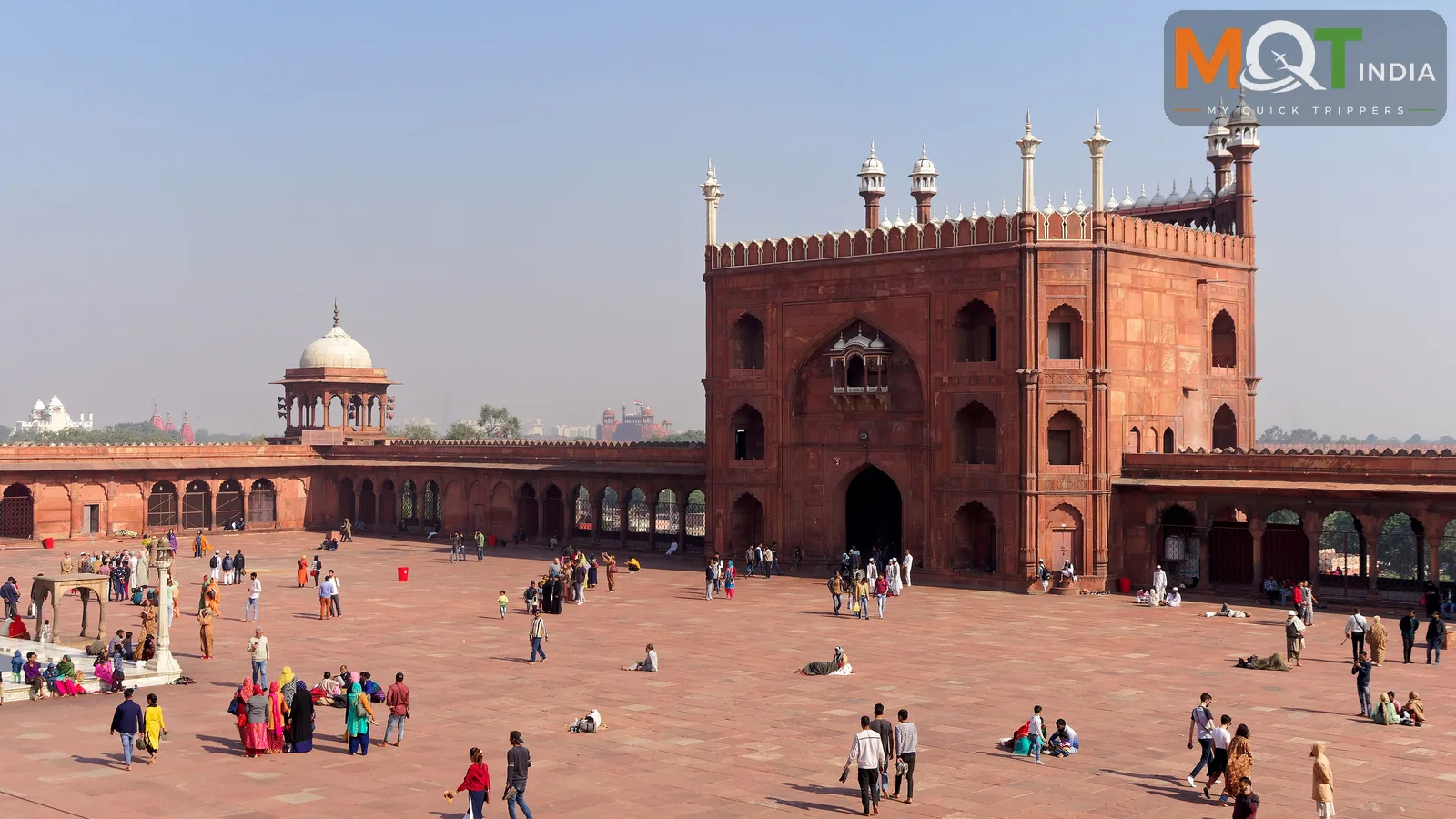
- Where it is biggest: Delhi (Jama Masjid and the old city), Lucknow, Hyderabad, Srinagar, and every city with an old Muslim quarter
- Gazetted holiday: yes — the Government of India's holiday list marks 10 March 2027
- Travel note: the exact day is confirmed by moon sighting the previous evening — build a one-day flex into your plans
What Eid-ul-Fitr is
Eid-ul-Fitr — the 'festival of breaking the fast' — closes Ramzan, the month in which Muslims fast from dawn to dusk. The morning begins with the Eid prayer, usually at the mosque or the eidgah, after which the day belongs to family: new clothes, the embrace of Eid Mubarak, the first daytime meal in a month, and the sweet seviyan that gives the festival its other name in India, Meethi Eid. Charity is part of the day — Zakat al-Fitr, given before the prayer, so that everyone can celebrate.
For a visitor, the old city is the place to be: Delhi's Jama Masjid and the lanes around it, Lucknow's old quarters, Hyderabad's Charminar area. The morning prayer is the spectacle — thousands in white, the mosque full, the city quiet for an hour — and the afternoon is the feast: the sweet shops, the kebab lanes, the houses open to guests. It is a religious festival first; the travel experience is the hospitality that surrounds it.
Hyderabad deserves a special mention for Ramzan's last nights and the Eid morning. The city's haleem — the slow-cooked wheat and meat porridge that is Ramzan's signature dish in the Deccan — is cooked through the month and served in the old city's lanes, and the Charminar area's sweet shops do their year's best business on the festival. The old city's night markets in the last days of Ramzan are a festival in themselves: the whole quarter stays up late, shopping for new clothes and sweets, and the atmosphere is the warmest in the city.
Where to spend Eid-ul-Fitr 2027
Delhi is the classic choice: the Jama Masjid prayer at dawn, the old city's food lanes through the day, and the capital's museums and monuments for the days around it. Lucknow offers the most refined version — the old city's tehzeeb, the kebabs and the sweet shops, the Residency and the imambaras. Hyderabad pairs the Charminar area's celebrations with the city's food and the Golconda fort. Srinagar's Eid is the most beautiful setting, with the Dal Lake and the old city's mosques — though March in the valley is still cold.
Planning a long weekend around Eid
Eid-ul-Fitr 2027 falls on a Wednesday, which makes it a mid-week break rather than a long weekend — take two days of leave and you have five, from the weekend through to the following weekend. March is one of north India's best travel months: warm days, cool mornings, clear skies, and the gardens at their best. The practical plan is a city break — Delhi, Lucknow or Hyderabad — with the festival morning as the centrepiece and the city's food and monuments filling the rest.
Book normally: Eid does not distort hotel prices the way the big Hindu festivals do, and flights are ordinary mid-week fares. The one thing to book early is nothing at all — the value of Eid is in the morning and the streets, which cost nothing. If your dates flex, note that Holi follows on 22 March, twelve days later — an Eid-to-Holi fortnight in north India is one of the year's great festival stretches. Our Holi 2027 guide covers the second half.
Planning tips
- Arrive a day early: the moon sighting can shift Eid by a day, and an early arrival means you catch the prayer whichever morning it falls.
- Dress modestly and respectfully around the mosques — the prayer is a religious observance, not a tourist event.
- Ask before photographing worshippers; the morning prayer is the most-photographed and most-sensitive hour.
- Eat your way through the old city: the sweet shops and kebab lanes are at their best on Eid, and the afternoon is for feasting.
- Carry cash for the old-city lanes, where small shops may not take cards.
- March mornings are cool and the afternoons warm — pack a layer for the dawn prayer.
Frequently Asked Questions
When is Eid-ul-Fitr 2027?
Wednesday 10 March 2027, per the Government of India's gazetted holiday list — tentative, subject to moon sighting. The exact day is confirmed the previous evening.
Where is the best place to spend Eid-ul-Fitr in India?
Delhi's Jama Masjid and old city for the classic experience, Lucknow for the most refined, Hyderabad for the food and the Charminar area, Srinagar for the setting.
Is Eid-ul-Fitr a public holiday in 2027?
Yes — it is a gazetted holiday in the Government of India list for 2027, marked 10 March, subject to moon sighting.
Can non-Muslims visit during Eid?
Yes — the old cities are welcoming, and the food lanes and sweet shops are open to all. Dress modestly, respect the prayer, and ask before photographing worshippers.
Can I combine Eid-ul-Fitr with Holi?
Yes — Eid is 10 March and Holi is 22 March 2027, twelve days apart. An Eid-to-Holi fortnight in north India covers two of the year's great festivals in one trip.
Share this article