Eid-ul-Zuha 2027 (Bakrid): Date, Where to Celebrate & Long-Weekend Guide
By My Quick Trippers · 20 Nov 2026
6 min read · Culture & Heritage
Eid-ul-Zuha 2027 — Bakrid, the festival of sacrifice — falls on Monday 17 May 2027. It is the second Eid of the year, and the quieter, more devotional one: the morning prayer, the sacrifice and its sharing, the family feast, and the charity that gives the day its meaning. For travellers, it is a long-weekend reason to be in Delhi, Lucknow, Hyderabad or Srinagar in the last cool weeks before the north Indian summer — and the natural bookend to a spring that began with Eid-ul-Fitr in March.
One honest caveat first: the date is tentative. Eid-ul-Zuha follows the sighting of the moon, and the Government of India's holiday list marks 17 May 2027 as the gazetted date while noting it depends on moon sighting. The festival could fall a day either side. Plan travel so a one-day shift does not break the trip — arrive a day early, and treat the exact day as confirmed only when the moon is sighted the previous evening.
Eid-ul-Zuha 2027: the date
- Date (tentative, moon sighting): Monday 17 May 2027
- What it is: the festival of sacrifice, marking the Hajj — prayers, the qurbani, feasting and charity
- Where it is biggest: Delhi (Jama Masjid and the old city), Lucknow, Hyderabad, Srinagar, and every city with an old Muslim quarter
- Gazetted holiday: yes — the Government of India's holiday list marks 17 May 2027
- Travel note: a Monday holiday makes a three-day weekend — Saturday to Monday — with no leave needed
What Eid-ul-Zuha is
Eid-ul-Zuha marks the culmination of the Hajj, the pilgrimage to Mecca, and commemorates the willingness of Ibrahim to sacrifice his son — a story shared by Islam, Judaism and Christianity. The day begins with the Eid prayer at the mosque, followed by the qurbani, the ritual sacrifice, whose meat is divided three ways: for the family, for friends and relatives, and for the poor. The charity is the point — the festival is measured by how much reaches those who have little, not by how much is feasted on.
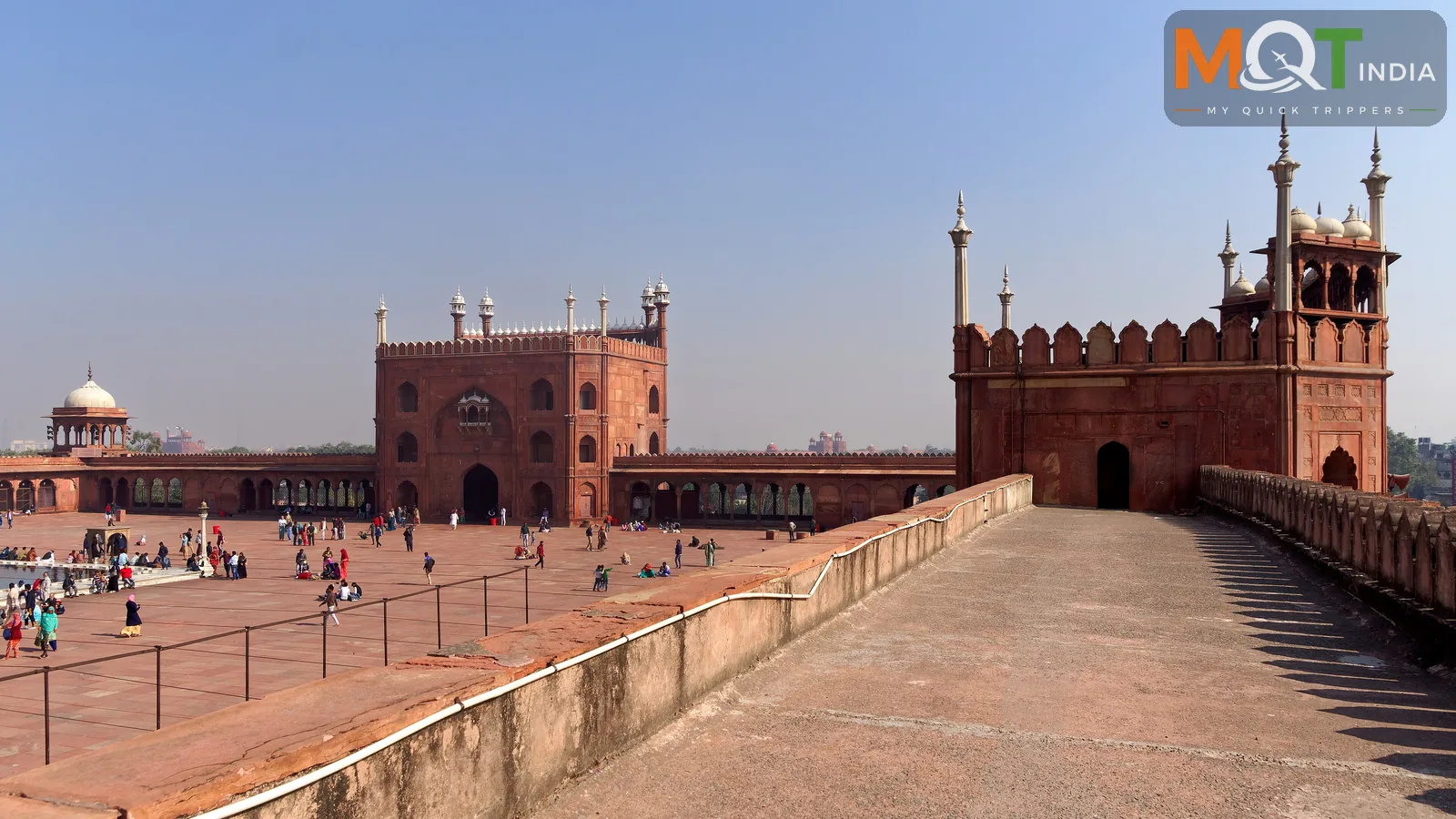
For a visitor, the old city is again the place to be: the morning prayer at the Jama Masjid, the lanes afterwards full of families in new clothes, the sweet shops and the kebab lanes, and the houses open to guests. It is a religious festival first; the travel experience is the hospitality that surrounds it — and the food, which on Bakrid leans towards the slow-cooked mutton dishes that the old cities do best.
Where to spend Eid-ul-Zuha 2027
Delhi is the classic choice: the Jama Masjid prayer at dawn, the old city's food lanes through the day, and the capital's monuments for the weekend around it. Lucknow offers the most refined version — the old city's tehzeeb, the kebabs, the Residency and the imambaras. Hyderabad pairs the Charminar area with the city's food and Golconda fort. Srinagar's Eid is the most beautiful setting, with the Dal Lake and the old city's mosques — though May in the valley is the start of the tourist season, so book ahead.
Planning a long weekend around Eid
Eid-ul-Zuha 2027 falls on a Monday, which makes it a genuine long weekend with no leave: Saturday, Sunday and Monday. May is the last travel window before the north Indian summer — warm days, warm evenings, and the hill stations beginning to fill. The practical plan is a city break — Delhi, Lucknow or Hyderabad — with the festival morning as the centrepiece and the city's food and monuments filling the rest. Or take the Monday and run for the hills: the festival morning in the city, then the mountains for the rest of the week.
Book normally: Bakrid does not distort hotel prices the way the big Hindu festivals do, and the Monday holiday means ordinary weekend fares. The one thing to plan around is the heat — May in the plains is hot, and the old-city lanes offer little shade. Plan the prayer for the morning, the food for the shaded lanes, and the sightseeing for the late afternoon. And note the season: Buddha Purnima falls three days later, on 20 May, in Bodh Gaya — a Delhi-to-Bodh Gaya week covers both festivals. Our Buddha Purnima 2027 guide covers the second half.
Planning tips
- Arrive a day early: the moon sighting can shift Eid by a day, and an early arrival means you catch the prayer whichever morning it falls.
- Dress modestly and respectfully around the mosques — the prayer is a religious observance, not a tourist event.
- Ask before photographing worshippers; the morning prayer is the most-photographed and most-sensitive hour.
- May in the plains is hot — carry water, plan the old-city lanes for the morning and late afternoon, and rest at midday.
- Eat the slow-cooked dishes: Bakrid's mutton preparations are the old cities' best cooking, and the sweet shops are at their finest.
- Carry cash for the old-city lanes, where small shops may not take cards.
Frequently Asked Questions
When is Eid-ul-Zuha 2027?
Monday 17 May 2027, per the Government of India's gazetted holiday list — tentative, subject to moon sighting. The exact day is confirmed the previous evening.
What is the difference between Eid-ul-Fitr and Eid-ul-Zuha?
Eid-ul-Fitr (10 March 2027) ends the fasting month of Ramzan; Eid-ul-Zuha (17 May 2027) marks the Hajj and the festival of sacrifice. Both begin with the morning prayer and the family feast — Bakrid adds the qurbani and its sharing with the poor.
Where is the best place to spend Bakrid in India?
Delhi's Jama Masjid and old city for the classic experience, Lucknow for the most refined, Hyderabad for the food and the Charminar area, Srinagar for the setting.
Is Eid-ul-Zuha a public holiday in 2027?
Yes — it is a gazetted holiday in the Government of India list for 2027, marked 17 May, subject to moon sighting.
Can I combine Bakrid with Buddha Purnima?
Yes — Bakrid is 17 May and Buddha Purnima is 20 May 2027, three days apart. A Delhi-to-Bodh Gaya week covers both festivals in one trip.
Share this article