Guru Purnima 2027: Date, Sarnath & Where to Celebrate
By My Quick Trippers · 20 Nov 2026
6 min read · Pilgrimage
Guru Purnima 2027 falls on **Sunday, 18 July 2027** — the full-moon day of Ashadha, dedicated to the guru. It is the birthday of Maharishi Vyasa, the compiler of the Vedas and the author of the Mahabharata, and it is observed across Hindu, Buddhist and Jain traditions: Hindus honour their teachers, Buddhists mark the day the Buddha gave his first sermon at Sarnath, and Jains honour Mahavira's first disciple, Gautama Swami. It is a quiet, pan-India observance rather than a single-destination festival — which makes it the easiest 2027 festival to build a trip around, because the places it matters are already on the pilgrimage map.
Guru Purnima 2027 — the date
- Guru Purnima: Sunday, 18 July 2027 (Ashadha Purnima)
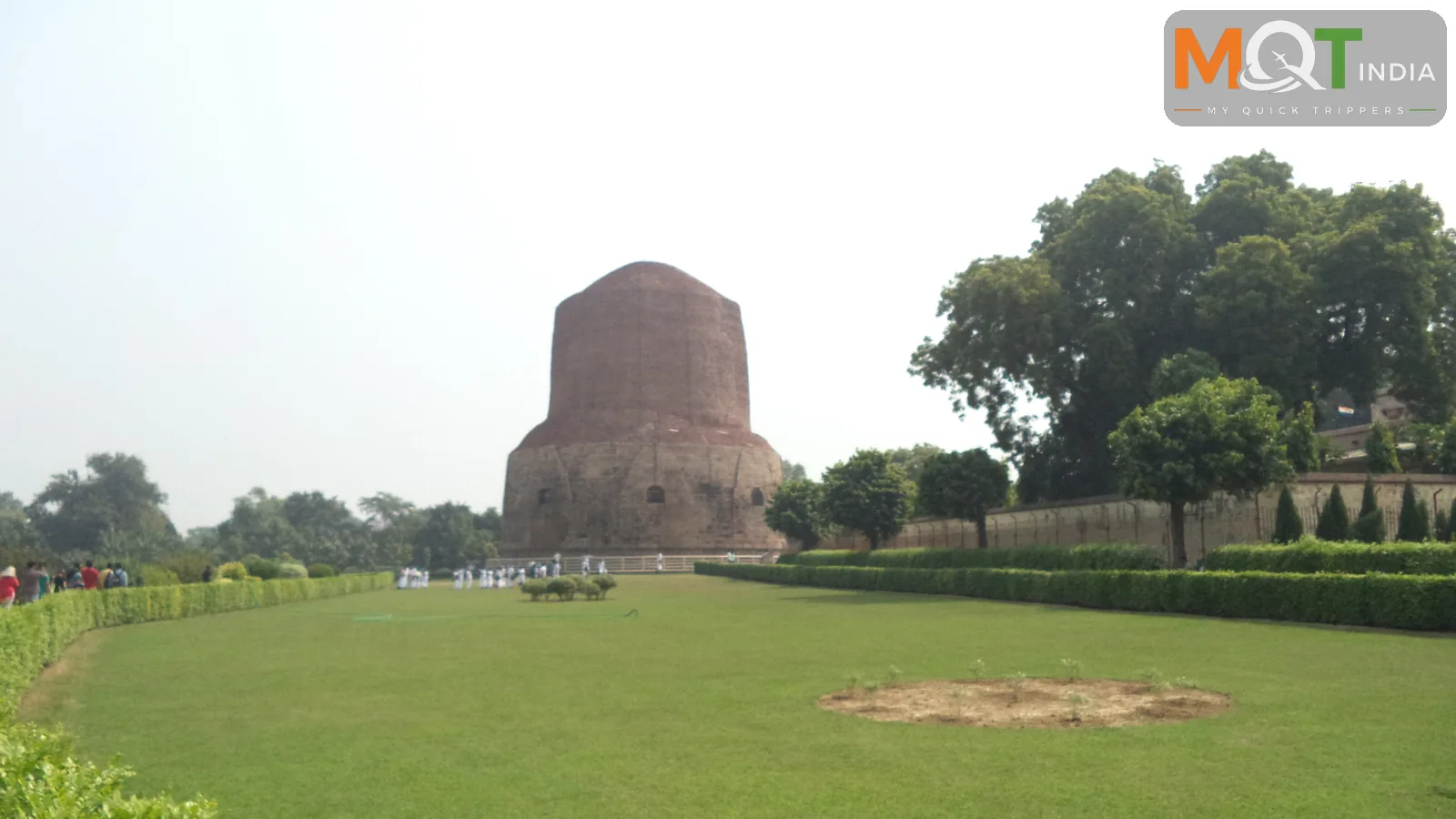
- Buddhist observance: the first sermon at Sarnath, near Varanasi — the Dhamek Stupa is the focal point
- Jain observance: temples honour Gautama Swami, Mahavira's first disciple
- Hindu observance: guru puja at ashrams, temples and maths across India; the day is also Vyasa Purnima
- Where to go: Sarnath, Varanasi, Rishikesh, Haridwar, Bodh Gaya and any major ashram or math
The day's character is contemplative. Ashrams hold satsangs and guru puja from the morning; temples run special aartis; disciples offer flowers, clothes and dakshina to their teachers. There is no single procession or fair to chase, and that is the point — the festival rewards being in a place of learning rather than in a crowd. Sarnath is the most evocative choice: the Buddha's first sermon was delivered here on a full-moon day, and the Dhamek Stupa and the archaeological park carry that history in a way no other site does.
The story behind Guru Purnima
The festival honours the guru — the teacher who dispels darkness — and it is tied to three traditions at once. In the Hindu telling, the day is the birthday of Maharishi Vyasa, the sage who compiled the four Vedas, wrote the Mahabharata and the Puranas, and is regarded as the first guru of the Hindu tradition; the day is also called Vyasa Purnima for that reason. In the Buddhist telling, the full-moon day of Ashadha is the day the Buddha, after his enlightenment at Bodh Gaya, delivered his first sermon at Sarnath to his five former companions — the Dhammacakkappavattana Sutta, the setting in motion of the wheel of dharma — which makes Sarnath the most significant Buddhist site of the day. In the Jain telling, the day honours Gautama Swami, the first disciple of Mahavira, who is said to have attained kevala jnana (omniscience) on this day. Three traditions, one idea: the teacher matters more than the teaching, because the teaching only reaches you through a teacher.
The observance is personal before it is public. The traditional act is guru puja: the disciple washes the guru's feet, offers flowers and a cloth, and receives a blessing — and in the modern world, that act is as often directed at a schoolteacher, a music teacher or a mentor as at a spiritual guru. Many families use the day to thank the people who taught them, and many schools hold a small ceremony. The festival's quietness is its point: unlike the great processions of Rath Yatra or the noise of Dahi Handi, Guru Purnima asks for an hour of attention and gratitude, and it gives back a day of calm.
Where to spend Guru Purnima 2027
- Sarnath, near Varanasi: the Buddhist heart of the day. Visit the Dhamek Stupa, the museum and the Tibetan temples in the morning; return to Varanasi for the evening Ganga Aarti.
- Varanasi: the city is at its most devotional on a full-moon day — the ghats, the aarti and the temples are all running special programmes.
- Rishikesh and Haridwar: ashrams along the Ganga hold guru puja and satsang; Haridwar is also in the middle of its Ardh Kumbh season in 2027, so the city is already in festival mode.
- Bodh Gaya: the Mahabodhi Temple runs special prayers; combine it with the Buddhist circuit of Sarnath and Rajgir.
- Your own teacher's ashram or math: for many devotees this is the real destination — Guru Purnima is, above all, a personal observance.
Because Guru Purnima 2027 is a Sunday, it pairs naturally with a weekend trip: arrive Saturday, spend Sunday at Sarnath or on the ghats, return Monday. July is monsoon season across north India, so expect rain — carry a rain cover for your bag, wear sandals you can wade in, and keep temple visits to the morning before the afternoon showers. The monsoon also means the Ganga runs high and fast, which makes the evening aarti more dramatic, not less.
Planning tips
- If you visit Sarnath, go early — the archaeological park opens in the morning and the light on the Dhamek Stupa is best before 10 am.
- The [Haridwar Ardh Kumbh](/blog/haridwar-kumbh-mela-2027-guide) runs through 20 April 2027, so by July Haridwar is past its peak — a calmer time to visit the ashrams.
- Monsoon travel: keep a buffer day in the itinerary. Trains run, but delays are common in July.
- Offerings are simple — flowers, fruit, a cloth, a small dakshina. There is no need to buy an elaborate puja package; the ashrams themselves will guide you.
- If you are travelling with children, Guru Purnima is a good first festival to explain — the idea of thanking a teacher is concrete and easy to grasp.
Frequently Asked Questions
When is Guru Purnima in 2027?
Sunday, 18 July 2027 — the full-moon day (Purnima) of the month of Ashadha.
Why is Guru Purnima important for Buddhists?
Buddhists mark it as the day the Buddha delivered his first sermon at Sarnath, near Varanasi, after his enlightenment. The Dhamek Stupa at Sarnath is the traditional site of that sermon.
Where is the best place to celebrate Guru Purnima?
Sarnath for the Buddhist story, Varanasi for the devotional atmosphere, and Rishikesh or Haridwar for ashram satsangs. If you have a personal guru, their ashram is the best place of all.
Is Guru Purnima a public holiday in 2027?
It is not a gazetted public holiday; it is observed as a religious day at ashrams, temples and Buddhist sites. Schools and offices generally remain open.
Can I combine Guru Purnima with a Varanasi trip?
Yes — Sarnath is about 10 km from Varanasi, an easy half-day trip. Spend the morning at Sarnath and the evening at the Ganga Aarti on the Varanasi ghats.
Share this article