Hansaplast Fast Aid Kit India Review: 38-Piece Travel First Aid for Treks
By My Quick Trippers · 10 Nov 2026
7 min read · Travel Gear
Recommended gear
Hansaplast Fast Aid Kit — Worth It?
Hansaplast Fast Aid Kit, 9 items / 38 pieces, compact travel pouch
9 items and 38 pieces in a 120g pouch — the small, honest first-aid kit for treks and road trips; check the live price before ordering.
As an Amazon Associate, we earn from qualifying purchases. We may earn a commission if you buy through these links, at no extra cost to you.
Honest verdict
Buy it if you travel anywhere a pharmacy is more than an hour away. It is a small, light, properly assembled kit — not a box of random bandages. Skip it if you already carry a full first-aid kit, or if you need prescription medicines, which no ready-made kit includes.
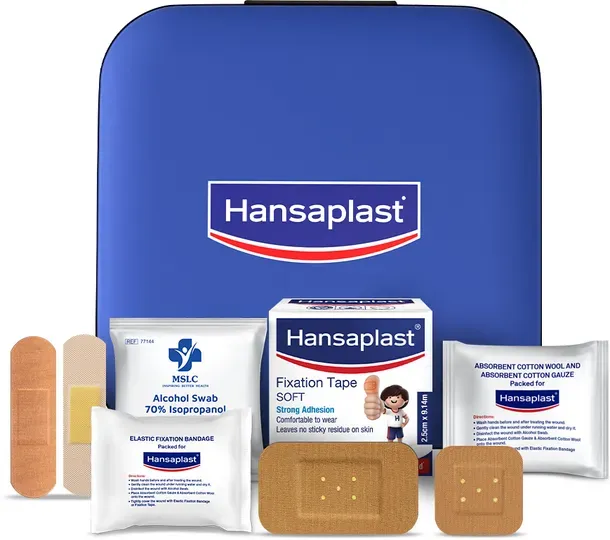
Check Price on AmazonThe Hansaplast Fast Aid Kit is the least exciting thing on this list and possibly the most useful. It is a compact pouch with 9 items and 38 pieces — plasters, fixation tape, gauze, alcohol swabs and elastic bandage — assembled by Beiersdorf, the company behind Hansaplast, in a pouch that weighs 120 grams and fits in a daypack side pocket.
Most travel first-aid kits fail in one of two ways: they are a zip bag of loose plasters with nothing for a real cut, or they are a bulky box you leave at home. This one threads the middle. The contents cover the injuries that actually happen on Indian trips — blisters, small cuts, scrapes from a fall on a trail, a twisted ankle that needs a bandage — without pretending to be a hospital.
At 11.5 x 12.3 x 4.1 cm it is smaller than a paperback. That is the whole point: a first-aid kit only helps if it is in your bag when you need it, and this one is small enough that there is no reason to leave it behind.
The kit covers the basics, and the smart move is to add the three things it does not include before your first trip. A strip of painkillers, a small tube of antiseptic cream and any personal medicine you take — plus a pair of small scissors or tweezers, since the kit has neither. Keep those additions in the same pouch, so the kit is one grab-and-go item rather than a pouch plus a loose handful of extras. Check the expiry dates on everything before a trip, not during it, and replace anything that is out of date.
Where the pouch lives matters as much as what is in it. Keep it in the top pocket of a rucksack or the side pocket of a daypack, where it can be reached without unpacking, and move it into a dry bag or a waterproof pocket when it rains — the pouch itself is not waterproof. On a family trip, tell everyone where it is. A first-aid kit that only one person can find is a first-aid kit that is useless when that person is the one who is hurt.
Key features
- 9 items and 38 pieces in one pouch, covering plasters, tape, gauze, swabs and bandage
- Compact pouch at 11.5 x 12.3 x 4.1 cm — smaller than a paperback, easy to find in a packed bag
- Weighs just 120 grams, so it adds nothing noticeable to a daypack or trekking rucksack
- Includes alcohol swabs for cleaning a wound before dressing it, not just covering it
- Fixation tape and elastic bandage for holding dressings in place and supporting a sprain
- Absorbent cotton gauze for larger scrapes that a plaster cannot cover
- From Beiersdorf (Hansaplast), so the plasters and tape are the same quality as the pharmacy shelf
Specifications
- Contents: 9 items / 38 pieces
- Weight: 120 g
- Dimensions: 11.5 x 12.3 x 4.1 cm
- Brand: Hansaplast (Beiersdorf)
- Model: 65471-45582-01
- Includes: plasters, fixation tape, cotton gauze, alcohol swabs, elastic bandage
- Best for: treks, road trips, family travel, day hikes
Pros
What it does well
- Genuinely compact and light — 120 grams is nothing, and it fits a daypack side pocket
- The contents are chosen for real travel injuries, not padded out with filler items
- Alcohol swabs and gauze mean you can clean and dress a wound properly, not just stick a plaster on dirt
- Hansaplast-quality plasters actually stay on through sweat, which cheap kit plasters do not
- One pouch for the whole family — 38 pieces is enough for a week-long trip with kids
- No expiry-date anxiety for a single trip; the contents are standard first-aid consumables
Cons
Where it falls short — the honest cons
- No medicines included — no painkillers, antiseptic cream or antihistamines, which you must add yourself
- No scissors or tweezers, so you cannot cut tape or pull a splinter without your own tools
- 38 pieces sounds like a lot but a single bad scrape can use half the gauze in one go
- The pouch is not waterproof, so it needs to live inside a dry bag or a waterproof pocket in the rain
- Refills are not sold as a set — once you use the contents, you restock piece by piece
Who should buy it
Buy it if you trek, drive long distances, travel with children, or go anywhere a pharmacy is not a ten-minute walk away. It is a good fit for first-time trekkers building a kit from scratch, for parents packing a family bag, and for anyone who has ever wished for a plaster at the exact moment none was available. It is also the right first purchase for anyone building a travel kit from nothing — buy the kit before the rucksack, the boots and the camera, because it is the only item on this list that can save a trip.
Who should avoid it
Skip it if you already own a proper first-aid kit with medicines and tools, because this one duplicates the basics without adding anything. Skip it too if you need something for a serious medical condition — a ready-made kit is for minor injuries, and anything bigger needs a doctor, not a pouch. Skip it too if you travel only in cities with a pharmacy on every corner and never leave the pavement — but even then, a pouch this small costs nothing to carry.
Best use cases
- Treks and day hikes where a blister or scrape is a matter of when, not if
- Road trips with children, where small cuts happen at every dhaba stop
- Family holidays where one pouch covers everyone instead of five separate kits
- Motorcycle and cycling trips where a fall means road rash, not just a bruise
- Office and home first-aid backup — the pouch works as well in a desk drawer as in a rucksack
- School trips and picnics where a teacher or parent becomes the unofficial first-aider
Alternatives worth comparing
If you want a bigger kit with medicines, build your own around this pouch — add painkillers, antiseptic cream and a small pair of scissors. For mosquito protection on the same trips, the Good Knight Fabric Roll-On 8ml covers repellent, and the Dabur Odomos cream is the batch-1 alternative. For blister prevention specifically, good trekking socks and properly broken-in shoes matter more than any kit. For a bigger kit with medicines and tools included, look at full first-aid kits — but check the size and weight, since a kit that stays at home because it is too big is no kit at all.
Buying checklist before you order
Before you order, confirm three things on the listing. First, the contents: the kit reviewed here is 9 items and 38 pieces, model 65471-45582-01 — make sure the listing matches, since Hansaplast sells several kit sizes. Second, the expiry dates on the plasters and swabs when it arrives, and note them for your next trip. Third, what you still need to add: painkillers, antiseptic, and any personal medicines are not in the box.
Decided? Check the live price before you order.
Check Price on AmazonAs an Amazon Associate, we earn from qualifying purchases. Prices change often — check the live price on Amazon before ordering.
A first-aid kit is the one travel purchase you hope never to use, which is exactly why it should be the first thing in your bag rather than the last. The Hansaplast Fast Aid Kit is small, light, properly assembled and cheap enough that there is no excuse to travel without one. Buy it, put it in your daypack, and forget about it until the day you are very glad it is there. Restock it the day you get home, not the day before the next trip. Replace whatever you used, check the expiry dates, and put the pouch back in the travel bag so it is there next time. A first-aid kit is the cheapest insurance on this list — 120 grams, one pouch, and the difference between a ruined day and a ten-minute fix.
Share this article