Haridwar to Kedarnath: Distance, Routes & Travel Options
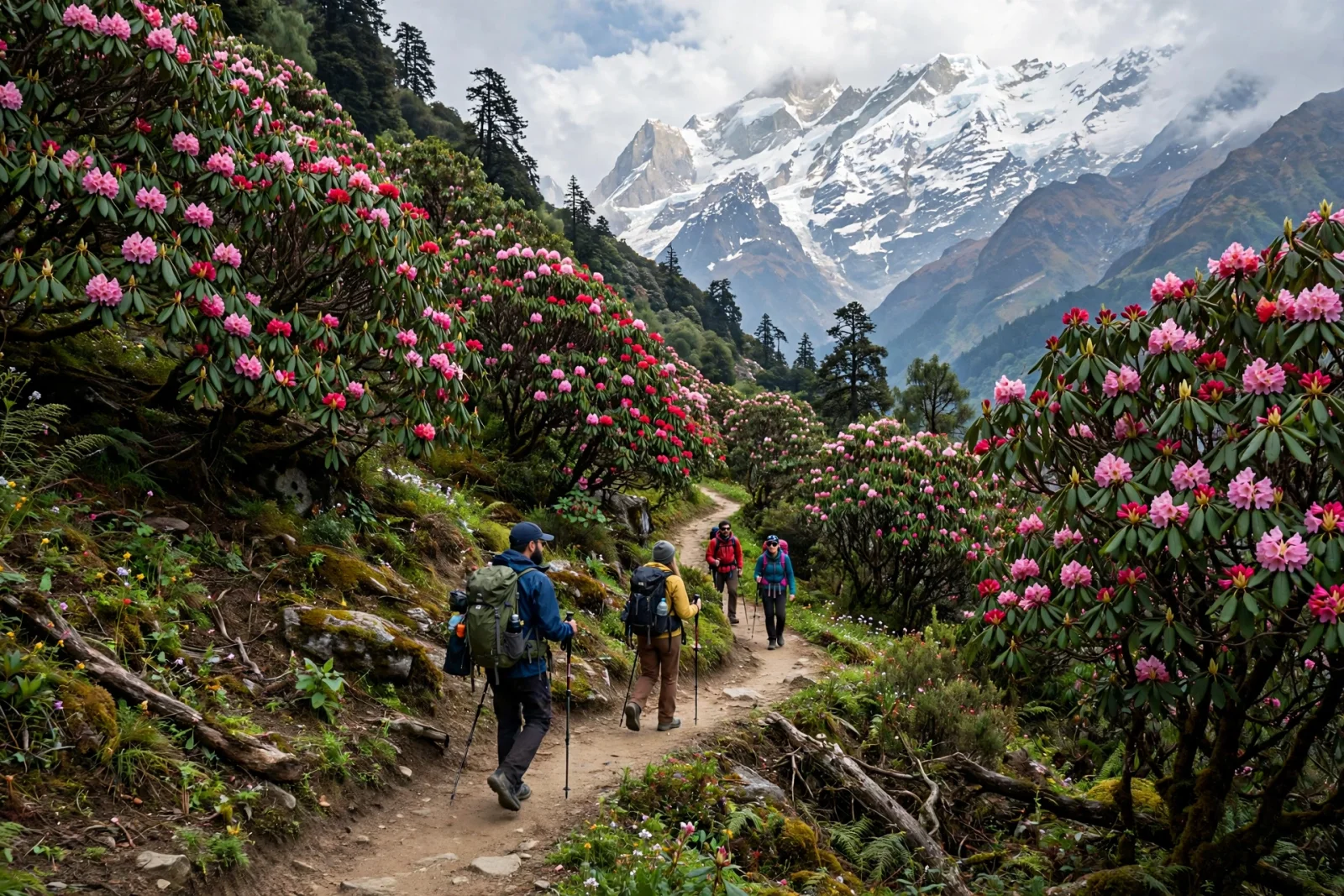
The Haridwar to Kedarnath journey is the classic gateway to the Char Dham — around 230 kilometres of mountain road from the ghats of Haridwar to Gaurikund, the base of the Kedarnath trek, passing through Rishikesh, Devprayag, Srinagar, Rudraprayag and Guptkashi. Nearly every Kedarnath pilgrim from the plains travels this corridor.
This guide breaks down the distance sector by sector, the route with its key halts, realistic drive times, your travel options (bus, shared jeep, private taxi), where to halt overnight, and how to time the journey so you start the Kedarnath trek fresh. Read this before you book transport.
Haridwar to Kedarnath: Distance and Route
The road distance from Haridwar to Gaurikund is roughly 225-240 kilometres, depending on the exact route taken. The standard corridor is: Haridwar – Rishikesh (25 km) – Devprayag (70 km further) – Srinagar – Rudraprayag – Guptkashi – Sonprayag – Gaurikund. From Gaurikund, private vehicles stop and the 16-kilometre trek to Kedarnath begins — shared jeeps cover the short Sonprayag–Gaurikund hop.
The first 25 kilometres to Rishikesh are plains highway; beyond Rishikesh the road climbs into the hills and stays mountain road all the way. Devprayag, where the Alaknanda meets the Bhagirathi to form the Ganga, is the natural first photography halt. Rudraprayag (Alaknanda meets Mandakini) is the key junction — the Kedarnath road turns up the Mandakini valley here while the Badrinath road continues along the Alaknanda.
Drive Time: The Realistic Picture
Budget 8 to 10 hours of driving from Haridwar to Sonprayag/Gaurikund in normal conditions — mountain roads average 25-35 km/h, and you will stop for meals, checkpoints and the mandatory registration verification. In peak season (May-June), traffic near Sonprayag can add 1-2 hours. Landslides in monsoon can add unpredictable delays, which is why a buffer day matters.
The golden rule: never attempt Haridwar to Gaurikund as a same-day dash followed by the trek. The standard, sensible plan is to drive to Guptkashi or Sonprayag on day one, sleep, and start the trek at dawn on day two. Pilgrims who try to drive through the night and trek immediately are the ones who struggle most on the climb.
Travel Options: Bus, Shared Jeep or Private Taxi
Private taxi — the recommended option
A private taxi from Haridwar gives you control over halts, timing and comfort — critical on an 8-10 hour mountain drive. Book a driver experienced on the Char Dham route; mountain driving here is a skill, not just a steering wheel. SUVs handle the broken patches better than sedans, especially in monsoon. Most Kedarnath packages from Haridwar include this transfer.
Buses — the budget option
UTC (Uttarakhand Transport Corporation) and private buses run from Haridwar and Rishikesh toward Guptkashi and Sonprayag in season. They are economical but slow, crowded in peak season, and you lose control over timing — a real drawback when you need to reach Gaurikund early enough to start the trek.
Shared jeeps — the flexible middle
Shared jeeps and sumos ply the Haridwar–Guptkashi–Sonprayag sectors, departing when full. They are faster than buses and cheaper than private taxis, but departures depend on filling seats and comfort is basic. Useful for solo travellers on a budget who are flexible with timing.
Where to Halt: Night Stop Strategy
- Guptkashi (best overall): the main base town before Kedarnath, with the widest range of hotels, the Vishwanath temple, and helicopter booking offices. Ideal halt before trek day.
- Sonprayag: closest to the trek, but accommodation is basic and fills fast; the mandatory health screening happens here.
- Rudraprayag or Srinagar: good halfway halts if you leave Haridwar late — clean hotels on the highway, and you reach Guptkashi by afternoon next day.
- Rishikesh: only if you must — it leaves the entire mountain drive for day two, which is too much before a trek day. Better to push to Srinagar at minimum.
- Avoid night driving on all these stretches; mountain roads here have no lighting and landslide debris is common after rain.
Breaking the Journey: The Halt Towns Worth Your Time
The Haridwar–Gaurikund drive passes through towns that deserve more than a fuel stop. Devprayag — where the Alaknanda and Bhagirathi merge to form the Ganga — has a stunning sangam viewpoint and the ancient Raghunath temple; the confluence at dawn is worth a 30-minute halt. Srinagar (the Garhwal one) is the practical halfway town with the best mid-route hotels and the Kamleshwar temple. Rudraprayag, where the Mandakini joins the Alaknanda, is the key junction town with the Koteshwar cave temple nearby.
Guptkashi — your likely night halt — holds the Vishwanath temple (where Shiva hid from the Pandavas in the Panch Kedar legend) and the Ardhnarishwar temple; its market is the last well-stocked one before the trek. Plan your halts around these towns rather than anonymous highway stops, and the long drive becomes part of the yatra rather than an obstacle to it.
Is it safe to drive a private car to Gaurikund?
Yes, with caveats: the roads are good but narrow and winding, mountain driving experience is essential, and you must be comfortable with steep drops and tight hairpins. Private vehicles go only to Sonprayag — the final hop to Gaurikund is by shared jeep. Many self-drivers park at Haridwar or Rishikesh and hire a hill taxi; it is often the wiser choice.
What is the road condition in the monsoon?
Functional but fragile — the route stays open with periodic landslide closures, especially on the Rudraprayag–Guptkashi stretch. Delays of hours to a day are normal; the administration clears major slides quickly in season. Avoid night driving entirely in monsoon, and keep that buffer day.
Are shared taxis available from Haridwar to Sonprayag?
Yes — shared Sumos and Boleros run from Haridwar's taxi stands to Sonprayag/Guptkashi in yatra season, departing when full (usually early morning). They are economical but cramped and slow, with multiple stops. For families or groups, a private taxi is far more comfortable and not much more expensive when split.
Frequently Asked Questions
What is the exact distance from Haridwar to Kedarnath temple?
About 225-240 km by road from Haridwar to Gaurikund, plus the 16 km trek from Gaurikund to the temple. Total journey: roughly 240-255 km depending on route variations.
Can I reach Gaurikund and trek the same day?
Only if you left Haridwar before dawn and everything went perfectly — and even then it is unwise. The trek needs 6-8 hours; starting it exhausted after a 10-hour drive invites altitude problems. Halt at Guptkashi or Sonprayag and start fresh at dawn.
Is the Haridwar–Kedarnath road open year-round?
The road to Gaurikund is technically open most of the year, but the Kedarnath trek and temple operate only in the yatra season (roughly May to October/November). Beyond the season, the road is used by locals and the region gets snow.
Are there direct buses from Haridwar to Gaurikund?
Buses run toward Sonprayag/Gaurikund in the yatra season, but 'direct' is optimistic — expect a long, slow journey with the usual mountain delays. For groups and families, a private vehicle is strongly recommended.
Where do I complete the health screening?
The mandatory medical screening for Kedarnath pilgrims is conducted at Sonprayag. Carry your Char Dham registration slip and photo ID; the screening is free and quick for healthy pilgrims.
The Haridwar–Kedarnath road is one of India's great pilgrim highways — treat it with the respect mountain roads deserve: daylight driving, a night halt before the trek, and a driver who knows these curves. Get the transfers and halts right and the yatra starts smoothly. To arrange the full Haridwar–Kedarnath logistics around your dates, chat with our travel experts on WhatsApp to plan this trip.
Share this article