Hyderabad Street Food: An Old City Trail from Irani Chai to Dum Biryani
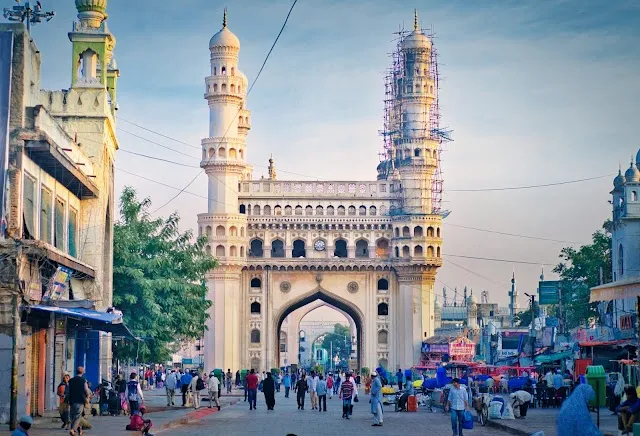
Hyderabad eats in two shifts, and both happen around the Charminar. The morning shift is tea: thick, milky Irani chai and a salty-sweet Osmania biscuit, eaten standing in a café that has poured the same cup for generations. The long second shift is everything else — dum biryani in the lanes of the Old City, kebabs coming off the coals after dark, paya breakfasts that start before dawn, and, in the Ramadan weeks, haleem stalls on every other corner. This trail strings the classics into one delicious day, in the order Hyderabadis actually eat them.
Morning: Irani chai, Osmania biscuits and the pre-dawn breakfast clubs
Start at the Charminar end of the Old City with the ritual itself. Irani cafés — a Hyderabad institution carried by the city's Iranian-descended café families — serve chai that is closer to a dessert than a drink: milky, strong and sweet, built to be dunked into. The Osmania biscuit is the dunker, and the cafés around the Charminar and in Lakdikapul (Café Niloufer is the modern-era name) keep the tradition in full working order. If your group eats seriously, there is a second, hidden breakfast: Old City institutions near Ghansi Bazaar open in the small hours for paya (trotter stew) and nihari with naan — the breakfast of champions, eaten by the city's night workers and its most committed food lovers, and gone by mid-morning.
Midday: the biryani main event
Hyderabad's biryani argument is eternal — every local has a house, a lane and strong views — but the geography for a visitor is simple: the respected old names cluster in the Old City and the Madina–Ghansi Bazaar belt, where biryani is served in the style the city invented, the kacchi dum method in which raw marinated meat cooks with the rice in a sealed handi. Order it with mirchi ka salan and raita, eat it hot and without ceremony, and understand the local grading system: the biryani is judged as much by the fragrance of the rice and the quality of the salan as by the meat. A trail note for balance: follow the crowds and the turnover, as with every great street-food city, and keep the portion honest — Hyderabadi servings assume you have walked here and intend to walk it off.
“Other cities have a signature dish. Hyderabad has a signature day — and it starts with chai and ends long after dark.”
Evening: lukhmi, kebabs and the bazaar lanes
As the light drops, the Old City's snack economy takes over. The lukhmi — Hyderabad's square, flaky, mince-filled answer to the samosa — appears in the bakeries and stalls around the Charminar, alongside mirchi bajji and the city's endless variations on the theme of things fried at exactly the right moment. Kebab counters work the evening: shami kebabs, seekh kebabs and the theatrical pathar-ka-gosht, meat cooked on a heated stone slab. Graze these among the bazaars themselves — Laad Bazaar's bangle lanes run beside the food streets, so the shopping and the snacking share the same hour. Finish sweet, the Nizam's-city way: qubani ka meetha (stewed apricots) or double ka meetha, the bread pudding that closes Hyderabadi feasts, at one of the old dessert counters.
Haleem season, and planning the day
- If you come during Ramadan, restructure the whole trail around the nights: haleem — slow-cooked for hours until the wheat, lentils and meat become one — is served across the city after the fast breaks, with famous counters in the Old City, Tolichowki and beyond. It is one of India's great seasonal food events.
- Outside Ramadan, ask locally which institutions are serving haleem that week rather than assuming; the dish is seasonal by tradition even where it has become year-round.
- Pace the day with chai stops — the Irani café is Hyderabad's built-in rest break — and do the bazaar lanes on foot; the Old City is dense, and a car is a liability inside it.
- Carry the trail wider with our [Pune street food trail](/blog/pune-street-food-trail-morning-to-night) for the Maharashtra version of the same idea, and pair the food with the sights in our guide to the [best places to visit in Hyderabad](/blog/best-places-to-visit-in-hyderabad).
For the non-food half of the city, the Hyderabad sightseeing tour covers the Charminar, Golconda and the palaces in a day. But eat first, and eat in the Old City — Hyderabad's history is written in its monuments, and its character is served, hot, in its lanes.
Carry-home Hyderabad, and one etiquette note
The trail's flavours travel surprisingly well. Osmania biscuits are the classic carry-home — every Irani café and old bakery sells boxed tins that survive a flight — and the city's other famous bake, the fruit biscuit associated with Karachi Bakery, has been a Hyderabad gift-box staple for generations. Spices and the city's beloved pickles fill the remaining suitcase space at the bazaars. One planning note of respect: the lanes around the Charminar and the Makkah Masjid grow very crowded around Friday midday prayers, and during Ramadan the Old City's rhythm inverts entirely — quiet by day, gloriously awake and eating all night. Time a food walk for the mornings and evenings, dress modestly for the old quarters, and ask before photographing the café regulars whose city you are tasting. Hyderabad feeds the courteous guest best.
A one-day trail, timed
- 8 am: Irani chai and Osmania biscuits near the Charminar, before the lanes fill — then the Charminar and Laad Bazaar while the light and the crowds are kind.
- 11 am: the pre-lunch graze — lukhmi and mirchi bajji from the bakery counters, washed down with a second chai, because Hyderabad insists.
- 1:30 pm: the biryani main event at an Old City institution, eaten slowly, with salan and raita, and no plans more ambitious than a walk afterwards.
- 5 pm onwards: kebab counters and the bazaar lanes in the evening light; qubani ka meetha or double ka meetha to close; a tin of biscuits under your arm for home.
- Restaurant India — Famous Street Foods from Hyderabad You Can't Miss
- Outlook Traveller — A Culinary Trail Through Telangana
- Outlook Traveller — Signature Hyderabadi Dishes You Must Try
Share this article