Krishna Janmashtami 2027: Date, Mathura–Vrindavan & Dahi Handi Guide
By My Quick Trippers · 20 Nov 2026
6 min read · Pilgrimage
Krishna Janmashtami 2027 falls on **Wednesday, 25 August 2027** — the midnight birth of Lord Krishna, celebrated with fasting, night-long bhajans and the Dahi Handi pyramid. One calendar note matters: some regional calendars mark Janmashtami on **Tuesday, 24 August 2027** instead. The Government of India holiday list and the widely used Vaishnava calendar put it on 25 August, and that is the date this guide uses — but if your family's temple follows the 24th, follow your temple. The two dates are one day apart because the Ashtami tithi straddles midnight, and the midnight birth is what the festival counts.
Janmashtami 2027 — key dates
- Krishna Janmashtami: Wednesday, 25 August 2027 (Vaishnava / Government of India holiday list)
- Some regional calendars: Tuesday, 24 August 2027 — check your local temple's announcement
- Dahi Handi: the day after Janmashtami in Maharashtra, with the famous human pyramids in Mumbai and Thane
- Nandotsav: the day after the birth, celebrated as the village's joy at Krishna's arrival
- Where to go: Mathura and Vrindavan in Uttar Pradesh, Dwarka in Gujarat, and Mumbai for Dahi Handi
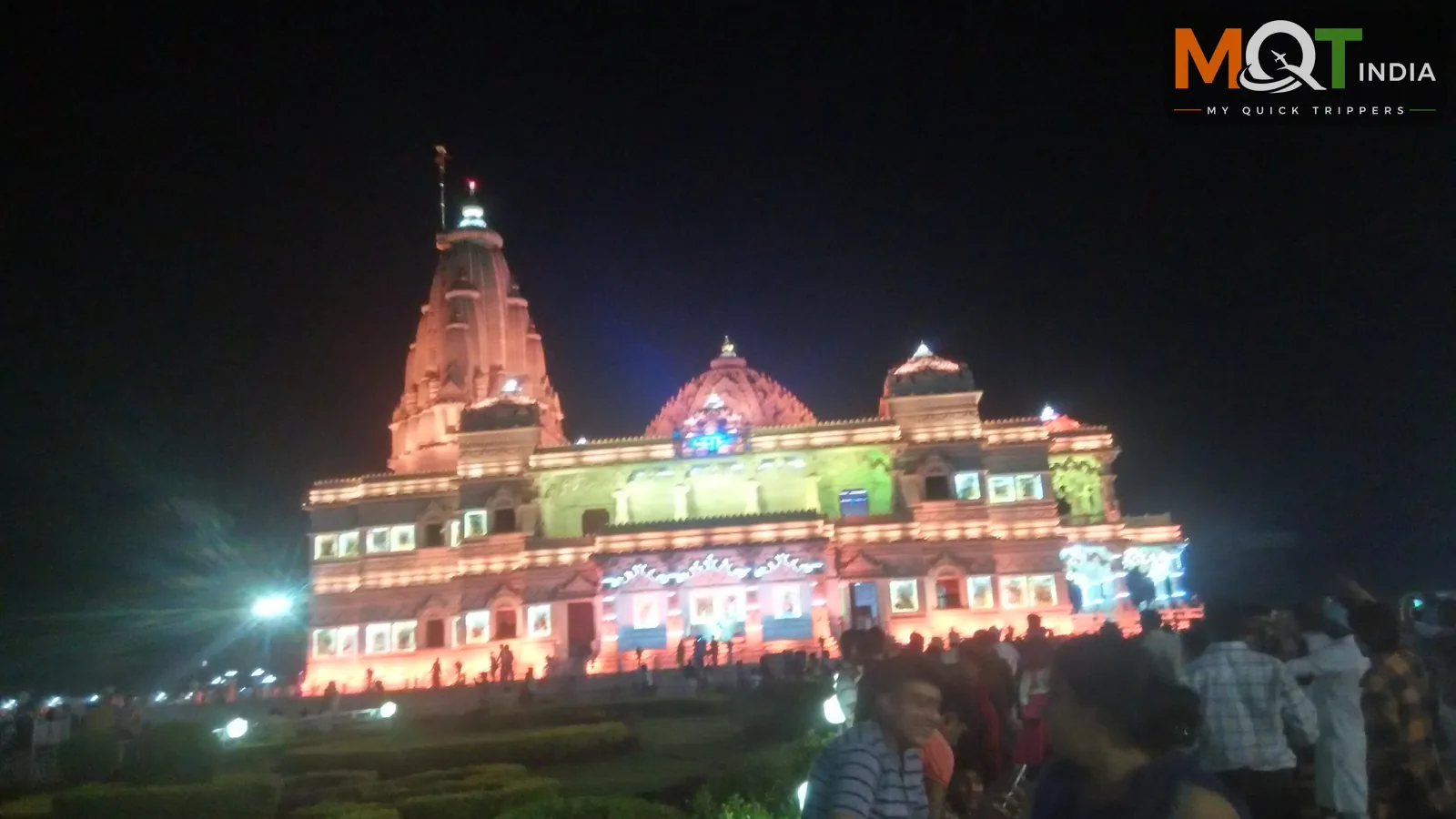
Mathura is the birthplace and Vrindavan is the childhood home, and the two towns, about 12 km apart, are the heart of the festival. On Janmashtami night the temples stay open past midnight; the Krishna Janmabhoomi temple in Mathura draws the largest crowd, and the Banke Bihari temple in Vrindavan runs its famous Phoolon Wali Holi-style flower showers and all-night darshan. The mood is devotional and joyful at once — bhajans, jhankis (tableaux of Krishna's life) in every lane, and sweet shops selling makhan-mishri, the butter-and-sugar-candy that is Krishna's favourite offering. The lanes themselves are decorated with lights and marigolds, and every household keeps a small cradle for the infant Krishna, rocked at midnight when the birth is announced.
The story of Krishna's birth
The festival tells the story of a birth in a prison. The tyrant king Kamsa of Mathura had been told that the eighth child of his sister Devaki would kill him, so he imprisoned Devaki and her husband Vasudeva and killed their first seven children. When the eighth child, Krishna, was born at midnight, the prison doors opened, the guards fell asleep, and Vasudeva carried the infant across the Yamuna — which parted for him — to the village of Gokul, where he left the baby with the cowherd Nanda and his wife Yashoda, and brought back their newborn daughter. The story is told in every temple on Janmashtami night, and the moment of the birth — midnight, with the temple bells ringing and the conch shells sounding — is the emotional peak of the festival. The child Krishna then grew up in Vrindavan, stealing butter, playing the flute and charming the village, and the butter is why the festival's food is makhan-mishri and why the Dahi Handi pot is filled with curd.
Dahi Handi in Mumbai
The day after Janmashtami, Mumbai's Dahi Handi is the most spectacular public celebration of the festival: teams of young men form human pyramids, sometimes nine tiers high, to break a pot of curd hung high above the street. The best-known venues are in Dadar, Thane and Ghatkopar, and the crowds are enormous — arrive early, pick a spot on a side street rather than the main junction, and keep your belongings close. The winning teams take home cash prizes that run into lakhs of rupees, and the competition between the mandals is fierce — the tallest pyramid and the fastest break are the two honours that matter most. If you are in Mumbai for the festival, the pyramids are the sight; if you are in Mathura, the midnight darshan is the sight.
How to reach Mathura–Vrindavan
- Rail: Mathura Junction is on the Delhi–Agra main line, about 2.5 hours from Delhi by express train. Book early — Janmashtami week trains sell out.
- Road: the Yamuna Expressway connects Delhi and Mathura in about 2.5 hours by car; Vrindavan is a further 20 minutes.
- Stay: book in Mathura or Vrindavan at least 3–4 weeks ahead. Ashrams and dharamshalas are the budget option; mid-range hotels near the temples go first.
- Dwarka: the Gujarat alternative — the Dwarkadhish Temple celebrates with equal fervour, and the town is calmer than Mathura on the night itself.
Planning tips
- Fast if you observe it, but carry water — late August in the Braj region is hot and humid, and temple queues are long.
- The midnight darshan is the peak: reach the temple by 10 pm at the latest, and expect to be on your feet for hours.
- Wear simple clothes and leave valuables at the hotel — the crowds at Banke Bihari and Krishna Janmabhoomi are among the densest of any Indian festival.
- Vrindavan's lanes are narrow and closed to cars on festival days — plan to walk, and wear comfortable shoes.
- If you cannot travel, most major Krishna temples — including ISKCON temples in every metro — run the full midnight programme, and they are a good way to celebrate without the Mathura crowds.
Frequently Asked Questions
When is Janmashtami in 2027?
Wednesday, 25 August 2027, according to the Vaishnava calendar and the Government of India holiday list. Some regional calendars mark it on Tuesday, 24 August 2027, because the Ashtami tithi straddles midnight — check your local temple's announcement.
Where is Janmashtami celebrated best?
Mathura (the birthplace) and Vrindavan (the childhood home) are the heart of the festival. Dwarka in Gujarat is the calmer alternative, and Mumbai is the place for Dahi Handi pyramids the day after.
What is Dahi Handi?
A pot of curd hung high above the street, broken by teams forming human pyramids — recreating young Krishna stealing butter. It is the day after Janmashtami in Maharashtra, most famously in Mumbai and Thane.
How early should I book for Mathura on Janmashtami?
At least 3–4 weeks ahead for a hotel near the temples. Trains on the Delhi–Mathura line sell out for Janmashtami week, so book rail tickets as soon as they open.
Is Janmashtami a public holiday in 2027?
Yes — Janmashtami is a gazetted public holiday in the Government of India holiday list for 2027.
Share this article