Kausani: Sunrise Views & Things to Do
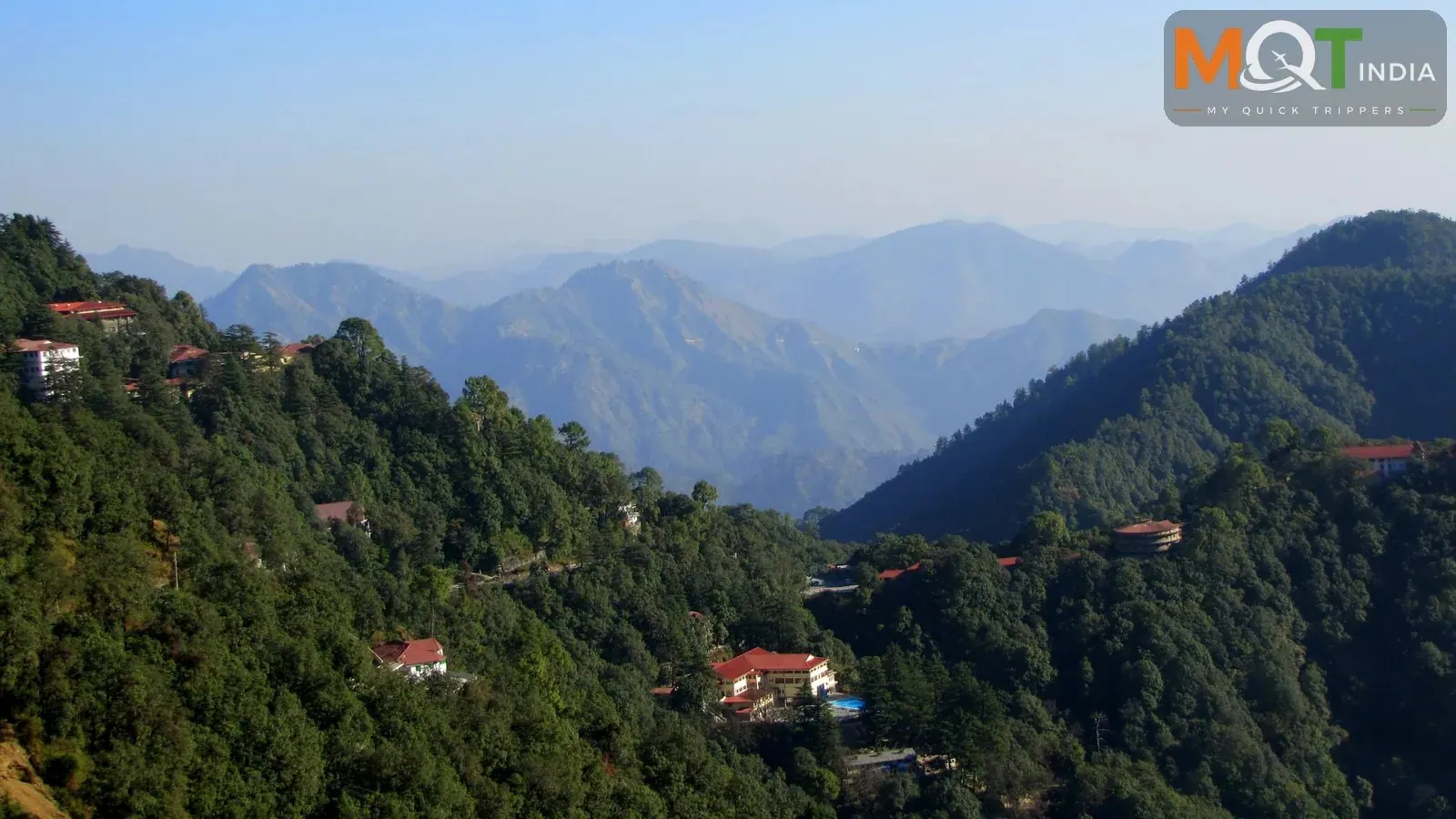
Kausani — the hill station Mahatma Gandhi called the 'Switzerland of India' after a 1929 stay — is famous for one thing above all: a 300-kilometre-wide Himalayan panorama where sunrise sets Nanda Devi, Trishul and Panchachuli ablaze in sequence. At 1,890 metres in the Bageshwar district of Uttarakhand, it is Kumaon's great viewpoint, wrapped in pine forests and quiet lanes.
This Kausani guide covers the legendary sunrise viewpoints, the Anasakti Ashram, Baijnath temples, the Kausani Tea Estate, the best time to visit, how to reach from Delhi and Kathgodam, where to stay, and a relaxed 2-3 day itinerary.
The Sunrise: Kausani's Reason for Being
The Kausani sunrise is a ritual: wake before dawn, step onto your hotel's viewing terrace (book a Himalaya-facing room — non-negotiable), and watch the light travel across the range. First Panchachuli catches fire in the east, then Nanda Devi (7,816 m) ignites, then Trishul — the peaks turning from grey to pink to gold over twenty minutes. On clear October-November and March-April mornings, the entire 300-km arc from Chaukhamba to Panchachuli is visible.
The best viewpoints: your hotel terrace (seriously — location matters more than any excursion), the View Point near the town centre, and the Anasakti Ashram's prayer ground. Check the weather the night before; a clear dawn after a clear night is what you want. Even non-morning people convert after one Kausani sunrise.
Things to Do in Kausani
Anasakti Ashram
The ashram where Gandhi stayed in 1929 and wrote his commentary on the Gita — now a serene prayer and meditation centre with a small museum of his stay. The morning and evening prayers, with the Himalayan panorama behind the prayer hall, are deeply peaceful. Visitors are welcome; maintain the ashram's quiet discipline.
Baijnath Temples (17 km)
One of Kumaon's great temple complexes: a cluster of 12th-century stone temples on the Gomti river, dedicated to Shiva as Vaidyanath (lord of physicians). The intricate carvings, the riverside setting and the near-absence of crowds make this a highlight — combine with the Kausani Tea Estate nearby.
Kausani Tea Estate
One of India's highest tea estates at 1,800+ metres, producing the distinctive Girias Uttarakhand tea. The factory tour shows the orthodox tea-making process, and the tasting room lets you sample the high-grown flavours. The estate shop sells authentic Kumaon tea — a genuinely local souvenir.
Stargazing and forest walks
Kausani's dark skies and pine forests invite slow pleasures: the sunset point walks, the forest trails around the town, and night skies dense with stars. The Someshwar valley walks and the short trek to the Kausani viewpoint round out unhurried days.
Best Time to Visit Kausani
October to November is the finest — post-monsoon clarity, the sharpest Himalayan views, pleasant days, cool nights. March to June is the main season: comfortable weather, rhododendron blooms (March-April), and reliable views on clear mornings. December to February brings winter chill and occasional snow; the peaks look magnificent but carry heavy woollens.
July to September is monsoon: the hills turn lush green, but the Himalayan views — Kausani's entire point — hide behind cloud for weeks. Visit in monsoon only for the greenery and solitude, not the panorama.
How to Reach Kausani
Kausani is 400 km from Delhi (10-11 hours by road) — a long drive best split with a night halt at Nainital or Almora. The practical route: Delhi to Kathgodam by overnight train, then 135 km by taxi (4-5 hours) via Almora. Nearest airport: Pantnagar, 145 km away. Buses run to Almora, with taxis onward to Kausani.
Kausani combines beautifully with Almora (55 km), Binsar (60 km) and Baijnath — the classic circuit is 2 nights Kausani, 1-2 nights Binsar, with Almora en route. From Delhi, allow 4-5 days for the Kausani–Binsar loop.
2-Day Kausani Itinerary
- Day 1: Arrive via Almora (stop at the Kasar Devi temple en route). Afternoon: Anasakti Ashram and the town viewpoint. Sunset from your hotel terrace. Early night — dawn comes fast.
- Day 2: Sunrise over the Himalayas (the main event). Morning: Kausani Tea Estate tour and tasting. Afternoon: Baijnath temples excursion. Evening: forest walk and stargazing.
- Day 3: Sunrise again (it is different every day), then drive to Binsar (2 hours) for the wildlife sanctuary and Zero Point, or back toward Kathgodam via Almora.
Kausani's Literary Soul
Gandhi's 1929 stay — during which he wrote his Anasakti Yoga commentary and called Kausani the 'Switzerland of India' — is just the most famous chapter. The Hindi poet Sumitranandan Pant was born here, and his childhood home is a small museum; the region's literary association runs deep, with writers and poets drawn to the panorama for a century. The Anasakti Ashram's library and prayer hall preserve the Gandhian legacy tangibly.
This literary heritage shapes Kausani's atmosphere — it is a town for readers, thinkers and slow travellers rather than thrill-seekers. Bring a book of Pant's poetry, read it on your hotel terrace as Nanda Devi glows at dawn, and you will understand why the writers never really leave Kausani.
Is Kausani good for remote work?
Reasonably — most hotels have WiFi adequate for emails and calls, the climate is pleasant, and the views beat any office. But power cuts happen, video calls can stutter, and the town's rhythm (early to bed, early to rise) may clash with late-night deadlines. Fine for a workation week; carry a data dongle as backup.
Can I do Kausani as a day trip from Almora?
Technically yes (55 km, 2 hours each way), but you would miss the sunrise — Kausani's entire reason for being. Stay at least one night, two if you can; the dawn panorama is non-negotiable.
What souvenirs is Kausani known for?
Kausani's shawl factories produce excellent woollen shawls, stoles and tweeds at factory prices — the town's most practical souvenir. Local honey, rhododendron squash and hand-knitted woollens from the bazaar shops round out the list. Buy shawls from the established factory outlets where quality is consistent.
Frequently Asked Questions
Is the Himalayan view from Kausani really that good?
On a clear morning, yes — it is genuinely among the widest Himalayan panoramas accessible by road in India, spanning roughly 300 km. The catch is 'clear morning': October-November and March-April give the most reliable views; monsoon rarely does.
Kausani vs Almora vs Binsar — which to choose?
Kausani for the panorama and sunrise; Almora for culture, temples and bazaars; Binsar for forests, wildlife and the Zero Point views. They are 1-2 hours apart — the smart move is combining all three in 4-5 days.
Is Kausani good for a honeymoon?
Lovely — quiet, scenic, romantic, with several resorts oriented to the Himalayan view. It suits couples who want sunrise-over-peaks romance rather than nightlife. Book a view room well ahead for peak season.
Does Kausani have snow?
Occasionally in December-February, but not reliably — typically light snowfalls. For dependable snow, head to Auli or Munsiyari. Kausani's winter charm is the crisp air and the razor-sharp peak views.
What should I buy in Kausani?
Kausani Tea Estate's high-grown teas, woollen shawls and caps from local shops, and rhododendron products (juice, chutney) in season. The Almora bazaar en route offers the famous bal mithai and singauri sweets.
Kausani is a one-trick town, and the trick is magnificent — dawn breaking over 300 kilometres of the Himalayas. Book the view room, set the alarm, and let the mountains do the rest. To plan Kausani with the Binsar–Almora circuit, chat with our travel experts on WhatsApp to plan this trip.
Share this article