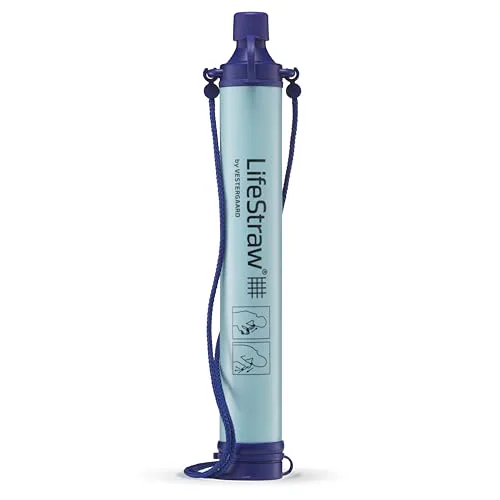
LifeStraw Personal Water Purifier India Review: 1,000 Litres for ₹1,563?
By My Quick Trippers · 26 Nov 2026
7 min read · Travel Gear
Recommended gear
LifeStraw Personal Water Purifier — Worth It?
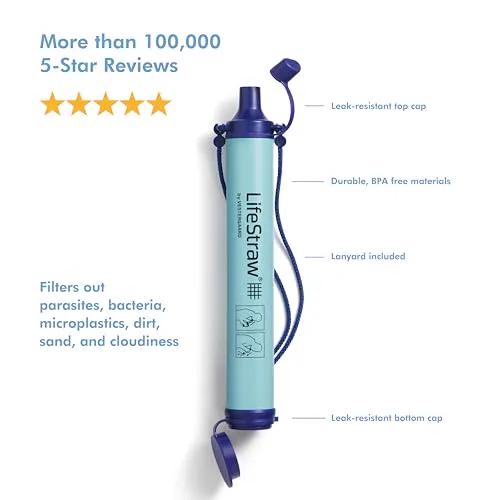
LifeStraw Personal Portable Water Purifier, 200ml, Blue
4.2(99,544 ratings)
The original straw filter — 1,000 litres, 0.2-micron filtration — at ₹1,563, down ₹36 from ₹1,599 yesterday, against a ₹1,699 MRP, with 99,544 ratings; prices checked 26 Nov 2026, confirm live price before ordering
As an Amazon Associate, we earn from qualifying purchases. We may earn a commission if you buy through these links, at no extra cost to you. Prices checked 26 Nov 2026.
Honest verdict
Buy it if your treks cross streams and village taps — ₹1,563 for 1,000 litres of filtered water. Skip it if you only drink bottled water on package tours; it solves a problem you will not meet.
- 1,000 litres
Short version first, detail after: at ₹1,563 against a ₹1,699 MRP in a 26 November 2026 live price check, the LifeStraw personal water purifier is a fair buy for anyone whose treks cross streams and village taps — and the price moved in your favour overnight, down ₹36 from ₹1,599 when it was first checked yesterday. The listing carries 4.2 stars from 99,544 ratings, the largest review base of any product in this batch by a wide margin, and more than 50 were bought in the past month. What you get is a 200 ml straw filter in blue that removes 99.99 percent of waterborne bacteria and filters down to 0.2 microns, with a claimed capacity of 1,000 litres — about 264 gallons — and a shelf life of five years. My verdict: for the trekker, the camper, or the traveller who goes where bottled water is not sold, this is the most proven water filter we verified — buy it if your route has water you cannot trust, skip it if you only drink bottled water on package tours.
The travel logic is simple and easy to get wrong: tourists carry two litres of bottled water up a mountain, drink it by noon, and then face a stream they do not trust and a village tap they cannot verify. A straw filter solves this by letting you drink from the stream itself — scoop, sip, and the filter does the work — so water stops being something you carry and becomes something you find. That is the whole job, and it is worth ₹1,563 the first time a trek runs long and the bottles run out. Our Kedarnath trek distance guide covers the 16 km climb where water matters most, and the Char Dham 2027 route guide covers the high-altitude days where taps are scarce.
For the trip itself, our Ladakh tour packages cover the routes where streams are the only water, and the Ladakh season guide covers when those streams run. Four practical tips: test the straw at home with tap water first, because a filter that is hard to sip through is a filter you will not use; carry it in your daypack, not the main bag, because the water is on the trail, not at the hotel; backflush it after a muddy source, because a clogged filter sips slowly and tempts you to drink unfiltered; and remember it filters bacteria and turbidity, not chemicals or viruses, so skip water downstream of a town or a mine.
The listing describes a LifeStraw personal portable water purifier, 200 ml, in blue, that filters up to 1,000 litres or 264 gallons of water. It removes 99.99 percent of waterborne bacteria, reduces turbidity by filtering down to 0.2 microns, and is described as having a very high flow rate, easy to clean, and very durable. The shelf life is five years when stored at room temperature, and the listing notes the product has been used worldwide in harsh conditions since 2005, is award-winning and internationally recognised. The country of origin is the Republic of Korea, and the package contains one water purifier. Two claims deserve a careful read.
First, the 99.99 percent bacteria removal: that is the headline, but the filter does not claim to remove viruses or dissolved chemicals, and the listing is honest about that by omission — so treat it as a bacteria and turbidity filter, not a complete water treatment plant. Second, the 1,000-litre capacity: that is the claimed life of the filter, but it depends on the water being reasonably clear, and muddy water will clog it long before 1,000 litres. Judge it on what the listing actually promises: a 200 ml straw filter at ₹1,563 against a ₹1,699 MRP, with 4.2 stars from 99,544 ratings — the most proven product in this batch.
- Price: ₹1,563
- MRP: ₹1,699
- Rating: 4.2 stars
- Reviews: 99,544 ratings
- Capacity: 1,000 litres (264 gallons)
- Filtration: 0.2 microns, 99.99% bacteria removal
- Size: 200 ml, Blue
- Shelf life: 5 years
The one real decision in this review is understanding the limits, because a filter used wrong is worse than no filter at all — it gives confidence without safety. The LifeStraw removes bacteria and reduces turbidity down to 0.2 microns, which covers the organisms that cause most trekking stomach upsets, and it blocks microplastics, dirt, sand and cloudiness. What it does not do is remove viruses, which are smaller than 0.2 microns, or dissolved chemicals, heavy metals or salts, which pass straight through a mechanical filter. That means a clear mountain stream is a good source, a village tap is usually fine, and water downstream of a town, a mine or a field is not — no matter how clear it looks.
The 1,000-litre capacity is real for clear water, but muddy water clogs the membrane faster, so let cloudy water settle before you sip, and backflush the straw by blowing through it after a bad source. The five-year shelf life means you can buy it now and keep it in the trekking kit for years, and the 200 ml size means it weighs almost nothing and fits in a side pocket. At ₹1,563, the maths is straightforward: a litre of bottled water on a trek costs more than the filter does per litre over its life, and with 99,544 ratings at 4.2 stars, it is the most proven water filter we verified.
Start with the route: confirm your trek actually crosses water sources you cannot trust, because a filter is dead weight on a package tour where bottled water is sold at every stop. Then check the colour at checkout — the linked purifier is Blue — because the same listing sells other colours and the price can differ between them. Then the capacity: confirm 1,000 litres covers your expected use, and if you trek often, consider whether a larger LifeStraw bottle would serve you better, because the straw is for sipping, not for filling a bottle. Check the return window before ordering, because a filter is a personal item and some sellers restrict returns on it, and a filter you cannot return is a filter you must trust the first time.
Skip filters with no ratings at this price, because ₹1,563 with 99,544 ratings is a safer buy than ₹499 with none, and skip any listing that promises to remove viruses or chemicals, because a 0.2-micron mechanical filter cannot. At ₹1,563 against a ₹1,699 MRP, you are buying the most proven water filter we verified, and it earns its place in the daypack the first time a stream is the only water for miles.
Does LifeStraw remove viruses?
No. It filters down to 0.2 microns and removes 99.99 percent of waterborne bacteria, but viruses are smaller than the filter pore size. For virus risk, use it with a chemical treatment or boil the water first.
How long does the filter last?
The listing claims up to 1,000 litres and a five-year shelf life. Clear water lasts longer; muddy water clogs the filter sooner, so let cloudy water settle and backflush the straw after a bad source.
Can I use it with tap water in a hotel?
Yes — it works with tap water, and it is a good backup where the tap is doubtful. But it will not remove dissolved chemicals or salts, so if the tap water tastes chemical, the straw will not fix that.
Verdict: buy the LifeStraw personal water purifier if your treks cross streams and village taps — ₹1,563 for 1,000 litres of filtered water, with 4.2 stars from 99,544 ratings, is the most proven filter we verified on 26 November 2026. The price fell ₹36 overnight, which is a small bonus, not a reason to buy. Skip it if you only drink bottled water on package tours, where it solves a problem you will not meet. For the trekker it is made for, it is the most useful ₹1,563 in the daypack — and remember its limits: bacteria and turbidity yes, viruses and chemicals no.
Decided? Check the live price before you order.
Check Price on AmazonAs an Amazon Associate, we earn from qualifying purchases. Prices on this page are November 2026 snapshots — confirm the live price on Amazon before ordering.
Share this article