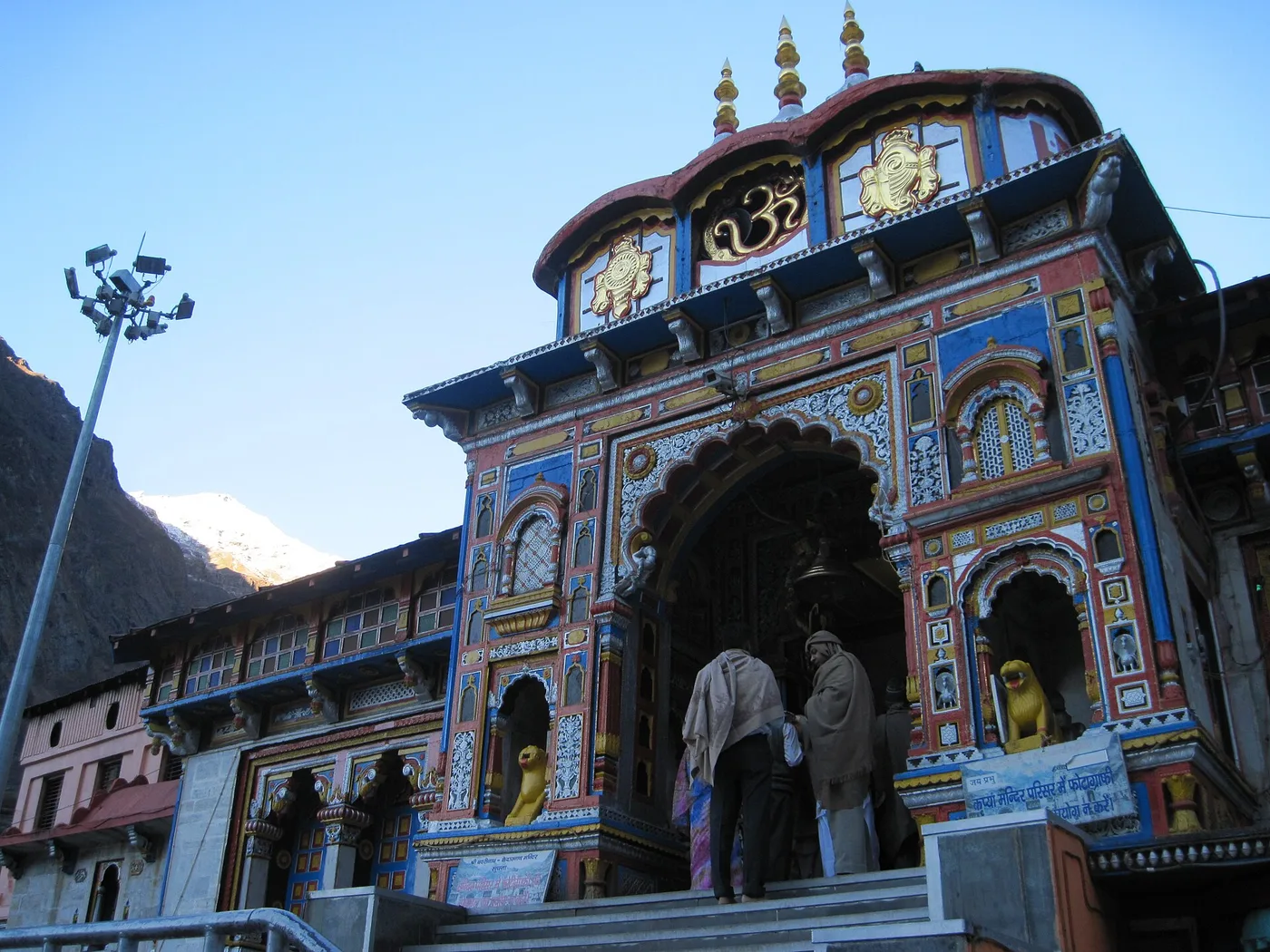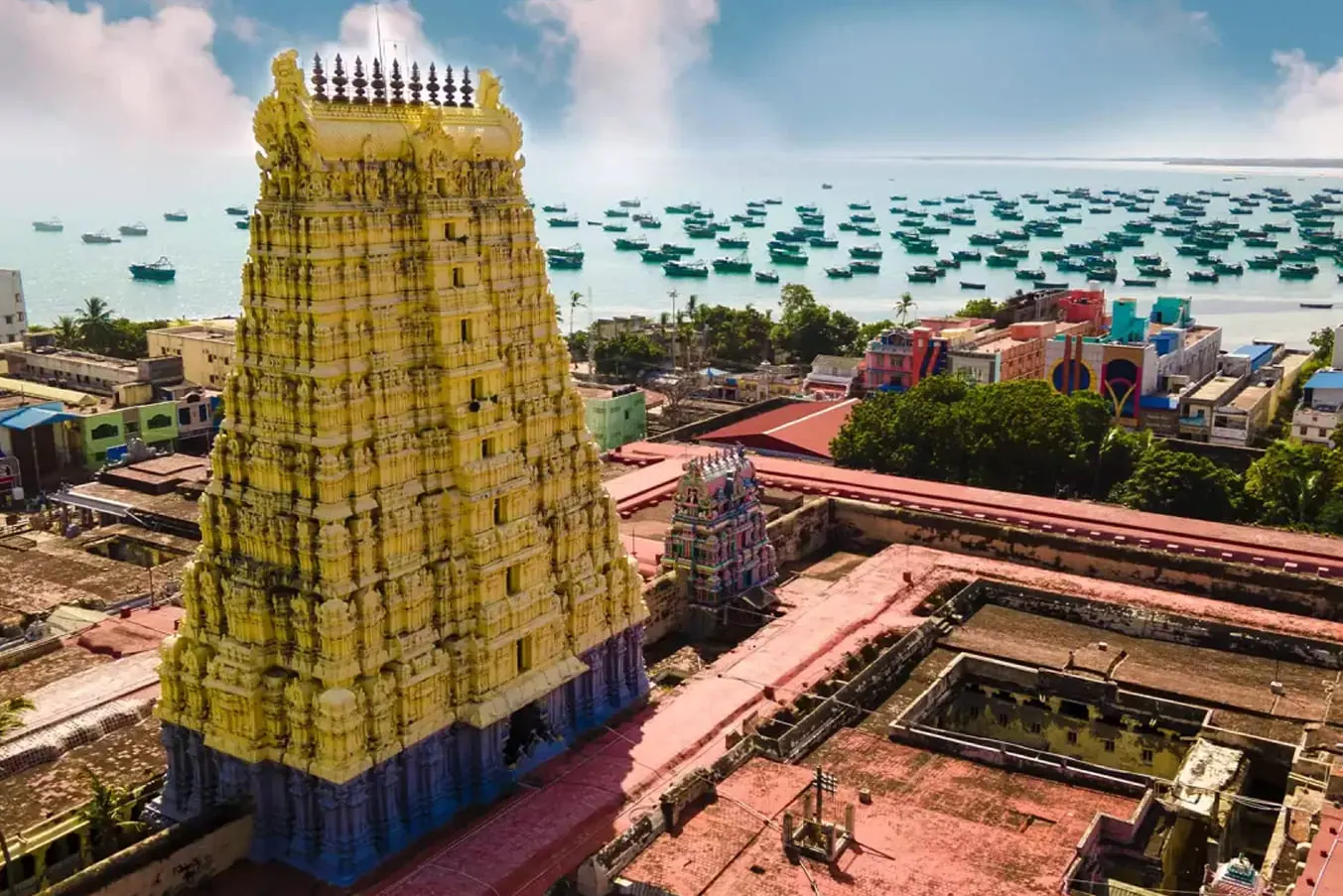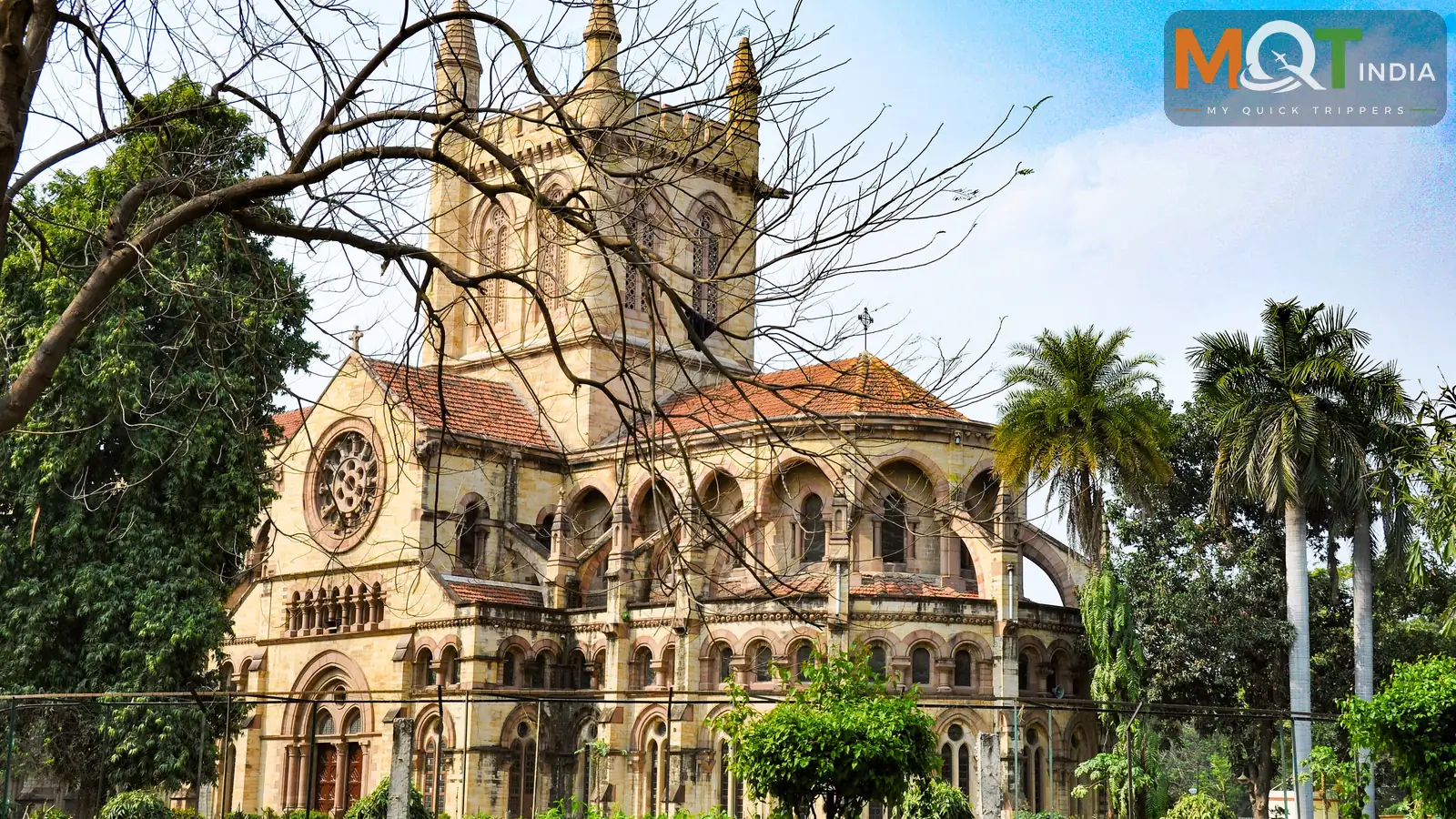
Magh Mela 2027, Prayagraj: Dates, Snan Days, Kalpvas & Planning Guide
By My Quick Trippers · 20 Nov 2026
8 min read · Pilgrimage
Magh Mela 2027 runs from 15 January to 6 March 2027 at the Sangam in Prayagraj, Uttar Pradesh — 51 days of ritual bathing, Kalpvas and the slow rhythm of a river city at its most devotional. It is the year's first great gathering on the Ganga, opening the same week as the Haridwar Kumbh and closing on Maha Shivratri. If you missed the Maha Kumbh of 2025, Magh Mela is the gentler, older cousin: the same sangam, the same dawn dips, a fraction of the crush.
One thing to get right before anything else: 2027 is NOT a Kumbh year at Prayagraj. The Maha Kumbh was in January–February 2025, and the next Kumbh at Prayagraj is years away. Magh Mela is the annual winter fair of the Sangam, held every year in the month of Magh — and 2027's edition carries extra weight because it overlaps with the Haridwar Kumbh's opening weeks. This guide covers the confirmed window, the six main snan days, what Kalpvas means, and how to plan a Prayagraj trip around it.
Magh Mela 2027: dates and snan days
- Mela window: 15 January – 6 March 2027 (51 days; some sources give the opening as 14 January, the Makar Sankranti tithi — the mela authority's window starts 15 January)
- Venue: the Sangam, Prayagraj — the confluence of the Ganga, Yamuna and the invisible Saraswati
- Main snan days: 15 January (Makar Sankranti), 22 January (Paush Purnima), 6 February (Mauni Amavasya, the largest day), 11 February (Basant Panchami), 20 February (Maghi Purnima), 6 March (Maha Shivratri, closing day)
- Kalpvas: 22 January – 20 February — the month-long vow of simple living on the mela grounds
- Closing: 6 March 2027, Maha Shivratri — which is also the first Amrit Snan of the Haridwar Kumbh and the day the Kedarnath opening date is announced
Mauni Amavasya on 6 February is the day to plan around if you want the mela at its most intense — it is traditionally the largest bathing day, when the Sangam's ghats fill before dawn and the whole mela ground moves as one crowd. If you want the mela at its most peaceful, pick a weekday in late January or late February, between the big snans, when the Kalpvasis are settled into their routine and the ghats are calm.
What is Magh Mela — and what is Kalpvas?
Magh Mela is the annual fair of the month of Magh, the coldest month of the Hindu calendar, when bathing in the river at dawn is both a penance and a blessing. Unlike the Kumbh, which comes every 12 years, Magh Mela returns every year — which is why it feels less like a spectacle and more like a habit of the city. Families come for a day; Kalpvasis come for the month.
Kalpvas is the mela's soul. For a month — from Paush Purnima on 22 January to Maghi Purnima on 20 February — thousands of devotees, many of them elderly, live in simple tents on the mela grounds, rising before dawn for the dip, eating one simple meal a day, and spending the rest of the time in prayer, discourse and rest. There is no ticket and no programme; the vow itself is the point. Visitors are welcome to walk the Kalpvas camps and talk to the residents — most are happy to explain the tradition — but treat the camps as homes, not attractions.
The six snan days, day by day
Each snan day has its own character. Makar Sankranti on Friday 15 January opens the mela, as the sun begins its northward journey — the same day the Haridwar Kumbh opens and the kite festival fills Ahmedabad's skies. Paush Purnima on Friday 22 January is when Kalpvas begins, and the mela ground fills with the month's residents. Mauni Amavasya on Saturday 6 February is the largest day: a silent fast, a dawn dip, and the biggest crowds of the season. Basant Panchami on Thursday 11 February brings spring's first festival and the yellow of mustard flowers to the ghats. Maghi Purnima on Saturday 20 February closes Kalpvas. And Maha Shivratri on Saturday 6 March closes the mela itself.
The snan list comes from Hindi press and travel guides, not from a Mela authority page — as of November 2026 the authority had not published its own snan list for 2027. The window itself (15 January – 6 March) is per the Ministry of Tourism's Incredible India listing. Check the district administration's notices as January approaches for the final arrangements.
Prayagraj beyond the mela
The Sangam is the point, but Prayagraj repays a day beyond it. The Allahabad Fort, built by Akbar on the Yamuna bank, stands over the confluence; Anand Bhavan, the Nehru family home, is now a museum of the freedom movement; Khusro Bagh holds the tombs of the Mughal prince Khusro and his family in a walled garden. The old city's lanes, the High Court's colonial bulk, and the evening aarti at the ghats fill the hours between dips. If you have a week, the natural circuit is Prayagraj for the mela, Varanasi for the ghats and Ayodhya for the temple — three cities, one river, one trip. Our Kumbh 2027 hub covers the Haridwar Kumbh running in parallel.
How to reach Prayagraj
Prayagraj Junction is on the Delhi–Howrah main line, with trains from Delhi, Varanasi, Lucknow, Kolkata and Mumbai. Prayagraj Airport has flights from Delhi, Mumbai, Bengaluru and other metros. By road, Varanasi is a few hours away, and Lucknow a similar distance — most visitors combine the mela with one of the two. During the big snans, vehicles are kept away from the Sangam itself; expect to walk the last stretch from the parking areas, and expect the walk to be slow on Mauni Amavasya.
Where to stay
Prayagraj's hotels fill for the big snan days — book by December for Mauni Amavasya week, and earlier if you want a room near the Sangam. The mela's own tented accommodation and the Kalpvas camps are the other option for the committed, and the state sets up temporary facilities for the season. Varanasi is the fallback base if Prayagraj is full — a few hours by road, with its own ghats and temples — but you lose the dawn-at-the-Sangam experience that is the point of the trip.
Planning tips
- Bathe at dawn: the ghats are calmest between 4 and 7 in the morning, and the winter fog on the river is part of the experience.
- Pick a non-snan weekday for a calm mela; pick Mauni Amavasya (6 February) only if you want the full intensity — and arrive the day before.
- Dress for cold mornings: January–February dawns on the Sangam are cold, even when the days turn pleasant.
- Keep valuables minimal at the ghats: one small waterproof pouch, phone and cash only.
- Walk the Kalpvas camps respectfully — they are people's temporary homes, not a fairground attraction.
- Pair the trip: Varanasi and Ayodhya are the natural add-ons, and the Haridwar Kumbh opens the same week if you want the year's other great gathering.
Frequently Asked Questions
When is Magh Mela 2027?
15 January to 6 March 2027 at the Sangam in Prayagraj — 51 days. Some sources give the opening as 14 January (the Makar Sankranti tithi); the mela window per the Ministry of Tourism starts 15 January.
Is Magh Mela 2027 a Kumbh?
No. The Maha Kumbh at Prayagraj was in January–February 2025. Magh Mela is the annual winter fair of the Sangam, held every year in the month of Magh. Do not let anyone sell you a 'Kumbh 2027 Prayagraj' package — the 2027 Kumbhs are at Nashik–Trimbakeshwar and Haridwar.
What is the biggest day of Magh Mela 2027?
Mauni Amavasya on Saturday 6 February — traditionally the largest bathing day, when the Sangam draws its biggest crowds. Arrive the day before and bathe at dawn.
What is Kalpvas?
A month-long vow (22 January – 20 February 2027) in which devotees live simply on the mela grounds — dawn dips, one simple meal a day, prayer and rest. Visitors may walk the camps and talk to residents, but should treat them as homes.
Can I combine Magh Mela with the Haridwar Kumbh?
Yes — the Haridwar Kumbh opens on 14 January 2027, the day before Magh Mela, and runs to 20 April. The two are a natural pair: Prayagraj for the Sangam, Haridwar for the Ganga's foothills. Our Haridwar Kumbh 2027 guide has the snan calendar.
Share this article