Nashik Kumbh Mela 2027: What Travellers Should Know
By My Quick Trippers · 7 Oct 2026
7 min read · Pilgrimage
The Nashik Kumbh Mela — the Simhastha gathering on the banks of the Godavari — is one of Hinduism's four great Kumbh Melas, held every twelve years when Jupiter enters Leo. The 2027 edition is typically held across 2026-27; exact dates are announced by the organisers — confirm before booking. For travellers, it is both a profound pilgrimage and one of the world's largest peaceful gatherings: millions of devotees, ascetics, and curious visitors converging on Nashik and Trimbakeshwar for the ritual baths. This guide covers what travellers should know about the Nashik Kumbh Mela 2027 — the significance, the logistics, and how to experience it well.
An honest framing first: the Kumbh is not a conventional tourist festival. It is a massive, deeply religious gathering where the primary activity is ritual bathing at astrologically determined moments, and the infrastructure — while extensively planned — serves pilgrims first. Travellers who come with respect, patience, and realistic expectations find it transformative; those expecting a curated event will struggle. Come as a witness, not a spectator.
The Kumbh Mela rotates among four sites — Prayagraj, Haridwar, Nashik, and Ujjain — each hosting when Jupiter enters a specific zodiac sign. Nashik's turn, the Simhastha, centres on the Godavari river and the ancient temple town of Trimbakeshwar, home to one of the twelve Jyotirlingas. The mela unfolds over several weeks, with the Shahi Snan (royal bath) days — when the akharas of ascetics process to the river in spectacular order — as the peaks.
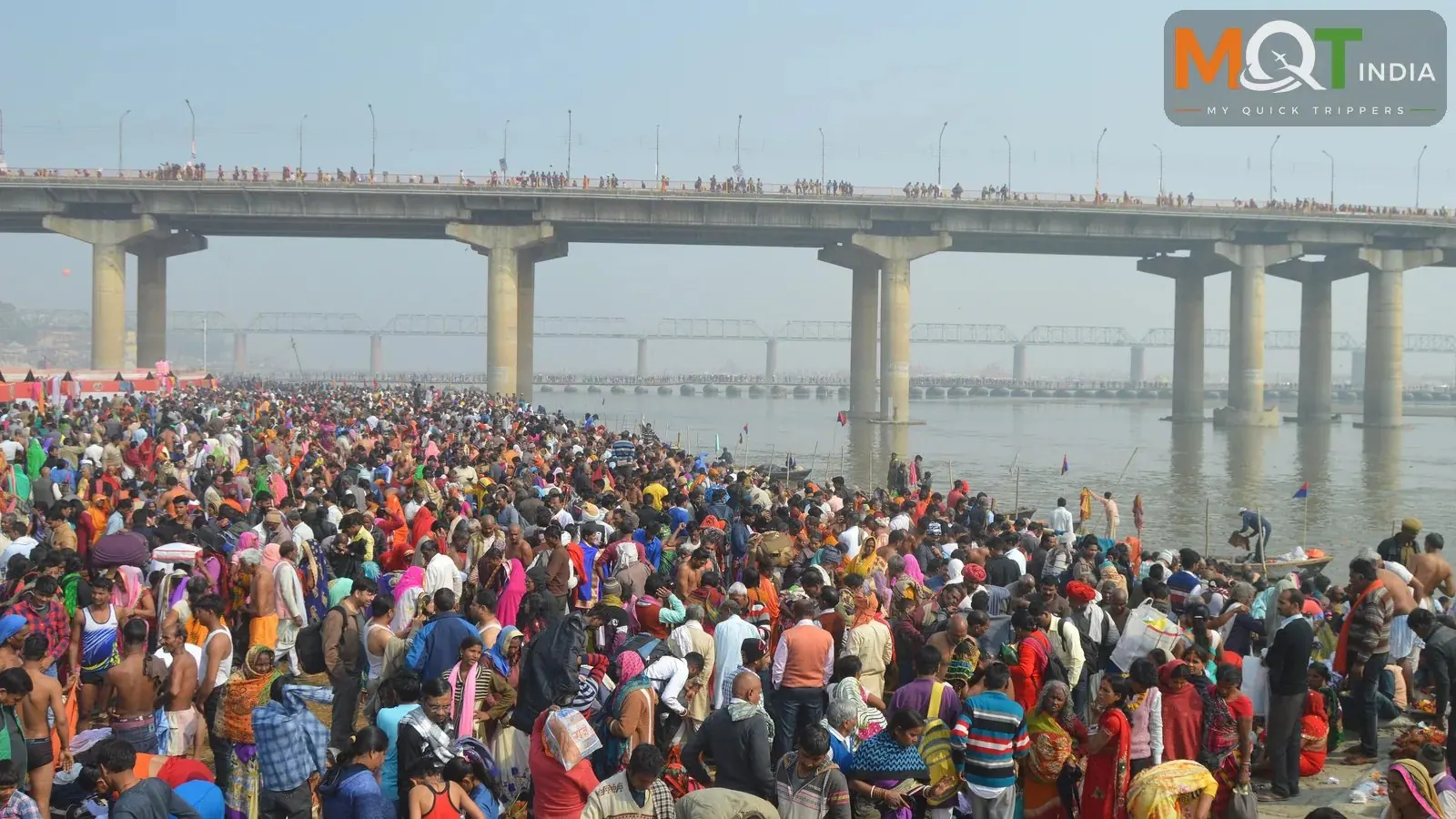
The scale is hard to overstate: the 2015 Simhastha drew tens of millions over its duration. The 2027 edition will see Nashik transformed — a temporary city of tents, akharas, langars (community kitchens), and pilgrim infrastructure rising along the Godavari. For the culturally curious, the processions of Naga sadhus and the akhara camps are the unmissable sights; for pilgrims, the holy dip on the auspicious bathing days is the purpose.
The mela's calendar is built around the Shahi Snan dates — the royal bathing days when the akharas lead the processions. These are simultaneously the most spectacular and the most crowded days: the processions are extraordinary, but the ghats and roads operate at maximum capacity. Travellers generally do best visiting on the days adjacent to a Shahi Snan — close enough to feel the energy and see the akharas, with slightly more manageable crowds.
Because the exact 2027 bathing calendar is announced by the organisers, treat any dates circulating early with caution and confirm against official announcements before booking travel. Build flexibility into your plans: the mela rewards those who can shift a day or two around the peaks.
Nashik and Trimbakeshwar: the two centres
Nashik city hosts the main mela infrastructure along the Godavari — the Ramkund area is the principal bathing ghat, and the old city's temples and markets anchor the urban experience. Trimbakeshwar, about 30 km away, is the spiritual counterpoint: the Jyotirlinga temple, the source of the Godavari at Brahmagiri hill, and a quieter, more traditionally religious atmosphere. Plan at least a day for each; the Maharashtra 5 Jyotirlinga package and the Maharashtra Jyotirlinga Yatra package cover Trimbakeshwar within wider Shiva circuits.
Nashik is well connected: roughly a 3-4 hour drive from Mumbai and well linked by rail, with the mela period seeing special trains and augmented services. During the Kumbh, expect road diversions, designated parking zones far from the ghats, and shuttle systems — the administration's traffic plan is extensive, and following it beats improvising.
Accommodation during the mela spans the full range: Nashik's hotels (book extremely early — Kumbh demand is unlike any normal peak season), dharamshalas and ashrams for the budget-conscious, and the tented accommodations the administration and private operators set up for the mela. For most travellers, a Nashik hotel booked months ahead, with day visits to the ghats and Trimbakeshwar, is the practical formula. The 12 Jyotirlinga tour package can frame a Kumbh visit within the complete Jyotirlinga pilgrimage for the devout.
Health, safety, and practical essentials
The Kumbh's scale demands self-sufficiency: carry water, basic medicines, and snacks; keep your phone charged and share your location with travel companions; establish clear meeting points because mobile networks congest on peak days. The administration runs extensive medical, sanitation, and lost-and-found infrastructure — locate the nearest facilities on arrival. Travel light to the ghats: minimal valuables, secure documents at your stay, and modest clothing suitable for crowds and riverbanks.
The Kumbh is a religious observance first. Dress modestly, follow the akhara procession protocols (observe from designated areas, don't obstruct the sadhus' path), ask before photographing ascetics — many will decline, and that must be respected — and never treat the bathing ghats as a swimming spot. The langars serve free meals to all; accepting one is a genuine part of the experience.
The best hours are dawn and dusk: the ghats at sunrise, with mist on the Godavari and the first processions forming, and the evening aartis as the crowds settle. Midday is for rest, the museums and temples of Nashik's old city, and the region's famous vineyards — Nashik is India's wine capital, and the contrast between the mela's asceticism and a vineyard sunset is a very Nashik experience.
- Nashik Kumbh 2027 is typically held across 2026-27; exact dates are announced by the organisers — confirm before booking.
- Visit on days adjacent to Shahi Snan for the best balance of spectacle and manageability.
- Book Nashik accommodation months ahead — Kumbh demand exceeds any normal peak season.
- Split time between Nashik's Ramkund ghats and Trimbakeshwar's Jyotirlinga temple.
- Travel light to the ghats; carry water, medicines, and keep documents secured at your stay.
- Respect the religious nature: modest dress, ask before photographing sadhus, follow procession protocols.
- The Maharashtra 5 Jyotirlinga package frames Trimbakeshwar within a wider Shiva pilgrimage.
When is the Nashik Kumbh Mela 2027?
The Simhastha Kumbh is typically held across 2026-27; exact dates are announced by the organisers — confirm before booking. The mela spans several weeks with designated Shahi Snan (royal bath) days as the peaks.
Where exactly is the Nashik Kumbh held?
Along the Godavari river in Nashik city — principally the Ramkund area — with Trimbakeshwar (30 km away, home to a Jyotirlinga) as the second centre. Both are in Maharashtra.
Is the Kumbh Mela safe for tourists?
The administration mounts one of the world's largest temporary public-safety operations for the Kumbh. Standard large-gathering precautions apply: travel light, stay hydrated, keep companions' contact details handy, and avoid the absolute peak crush hours if you prefer calmer conditions.
Can non-Hindus attend the Kumbh Mela?
Yes — visitors of all backgrounds are welcome to witness the gathering respectfully. Ritual bathing is a Hindu religious act; non-Hindu visitors typically observe rather than participate in the sacred dips.
How many days should I plan for the Nashik Kumbh?
Two to three days covers the essential experience: the Ramkund ghats, an akhara procession, Trimbakeshwar, and Nashik's old city. Pilgrims timing specific bathing days may stay longer.
What is the difference between Nashik Kumbh and Prayagraj Kumbh?
Both are among the four Kumbh sites, rotating on a twelve-year cycle per site. Nashik's Simhastha is on the Godavari and paired with Trimbakeshwar's Jyotirlinga; Prayagraj's is at the Ganga-Yamuna-Saraswati confluence. Each has its own character and scale.
The Nashik Kumbh Mela 2027 is a once-in-twelve-years convergence — millions of faiths' worth of devotion on the Godavari's banks, with Trimbakeshwar's ancient spire watching over it all. Confirm the dates, book early, arrive with reverence, and witness something genuinely monumental. To plan your Kumbh journey, chat with our travel experts on WhatsApp to plan this trip.
Share this article