What to Pack for India in October–November: A Region-by-Region Guide
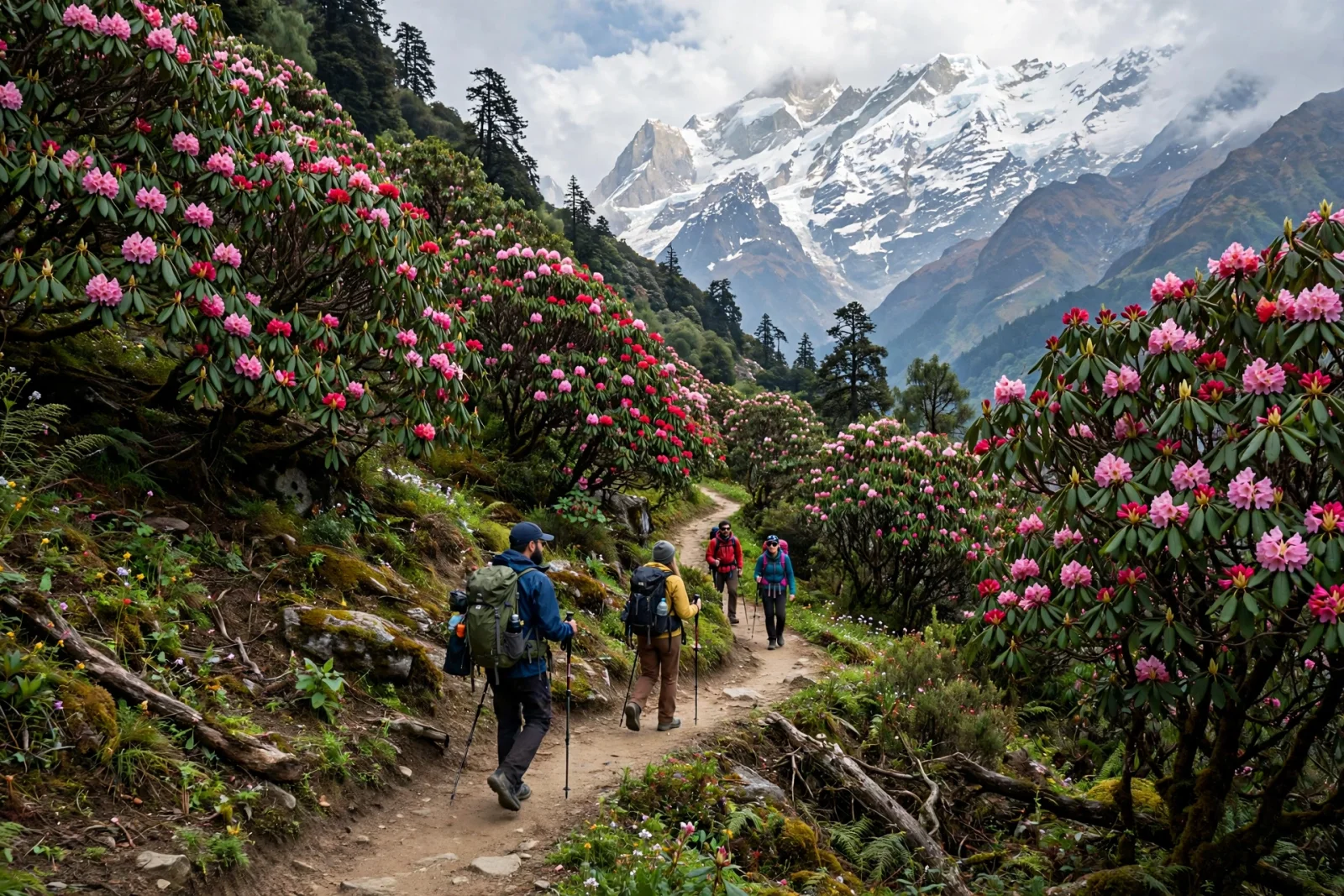
October and November are India's finest travel months — and its most confusing to pack for. In a single trip you can go from a Himalayan morning at 2°C to a Rajasthan afternoon at 30°C to a Kerala evening at 90% humidity. The mistake first-timers make is packing for one India; there are at least five. This guide breaks what to pack for India in October–November into a region-by-region matrix, with the layering logic and the forgotten items that actually matter.
The Himalayas: Pack for Winter, Not Autumn
Kashmir, Manali, Tawang, and anywhere above 2,000 metres are in full winter mode by November. Days are crisp and sunny (10–18°C), nights drop to 0–5°C, and at altitude — Gulmarg, Sela Pass — it goes below freezing. Pack in three layers: thermal base layers, a fleece or wool mid-layer, and a windproof insulated jacket.
Warm socks, gloves, a beanie and a buff are non-negotiable, and so is sunscreen — mountain UV at altitude burns fast even in cold air. Footwear should be waterproof with real grip; wet stone steps in old towns are treacherous. Travellers on a Manali package (ours starts at ₹39,000) or a Kashmir tour should also pack lip balm and heavy moisturiser — the dry mountain air cracks skin within a day.
The Desert: Hot Days, Cold Nights
Rajasthan in October–November is the classic trap: 28–32°C afternoons in Jaisalmer or Jodhpur, then 8–12°C nights in the desert. Pack light, breathable cotton or linen for the day — long sleeves protect against sun and dust — plus one genuinely warm layer for evenings: a fleece or light down jacket, not just a shawl. A scarf or shemagh-style wrap does triple duty against dust, sun and cold.
Closed walking shoes for fort climbs (Chittorgarh's plateau, Mehrangarh's ramparts), and a hat. If your itinerary includes a desert camp night near Jaisalmer, add thermal leggings — the sand loses heat fast after sunset. Visitors on our Rajasthan package (from ₹58,500) consistently report the night chill as the biggest surprise.
“The mistake first-timers make is packing for one India; there are at least five”
The Coasts and the South: Humidity Is the Enemy
Kerala, Goa, Tamil Nadu and the Andamans run 28–32°C with high humidity through October–November, plus the retreating monsoon's last showers in the south. Pack quick-dry fabrics — cotton stays damp and uncomfortable — and twice the underwear you think you need. A compact rain shell or quality poncho beats an umbrella on boats and beaches.
For Kerala's backwaters and the Andamans, add reef-safe sunscreen, insect repellent, and water shoes for rocky entries. Modest swimwear and a sarong cover temple visits and beach shacks alike. Kerala trips run on custom quotes with us, and the one packing note every Kerala traveller thanks us for: a small dry bag for phones and cameras on houseboats.
The Plains and Cities: Smog Season Starts
Delhi, Agra, Varanasi and Lucknow sit at 15–30°C in October–November — pleasant, with cool mornings — but this is also when stubble-burning smog settles over the Indo-Gangetic plain, typically from late October. Pack N95/KN95 masks if you are sensitive; they genuinely help on bad-AQI days. Layers work best: t-shirt plus a light sweater or jacket for mornings and evenings.
Comfortable walking shoes for old-city lanes, and modest clothing covering shoulders and knees for temples and mosques — a light stole in your daypack solves most dress codes. The IndiaTourPackages seasonal packing guide and Tusk Travel's clothing guide both stress the same principle: layers and modesty beat bulk.
What First-Timers Always Forget
- A universal power adapter and a high-capacity power bank — long train and road days drain phones fast, and sockets vary.
- Prescription medicines plus a basic kit: rehydration salts, anti-diarrheal, antihistamine, and any altitude-sickness medication for high Himalayan passes.
- Photocopies (and phone scans) of passport, visa ETA and insurance — keep them separate from the originals.
- A small daypack: monument complexes like Hampi and Khajuraho involve kilometres of walking in heat.
- Reusable water bottle with a built-in filter — safe hydration without the plastic pile.
- Earplugs and an eye mask: Indian hotels, trains and wedding-season nights are loud.
- Small-denomination cash: monument tickets, auto-rickshaws and rural dhabas still run on cash and UPI; cards don't.
The Northeast: Tawang, Shillong and the Hills
The Northeast in October–November is glorious and chilly. Shillong and Cherrapunji sit around 8–18°C with mist and drizzle; Tawang, at 3,000+ metres, drops below freezing at night with the Sela Pass potentially snow-dusted by late November. Pack as for the Himalayas — thermals, fleece, insulated jacket, gloves — plus genuinely waterproof outerwear, because Northeastern drizzle is persistent rather than dramatic.
Inner Line Permits for Arunachal need passport photos and ID copies, so pack those documents accessibly. Roads are slow and winding; motion-sickness medication earns its place on this leg.
The Carry-On Strategy for Multi-Region Trips
Doing Rajasthan plus Kerala, or Delhi plus the Himalayas, in one trip? Don't pack two wardrobes — pack one modular one. The system: three quick-dry base layers, one fleece, one packable insulated jacket, one rain shell, two bottoms (one trekking trouser, one casual), and region-specific extras bought or rented at need.
India's laundry economics make this easy: hotel and dhobi laundry is cheap and fast in every tourist city, so plan to wash mid-trip rather than carry ten days of clothes. Compression packing cubes keep the layers organised. The heaviest items — jacket, boots — go on your body on flight days, not in the bag.
Documents and Money: The Non-Clothing Checklist
- Passport with 6+ months validity, visa ETA printout, and travel insurance documents — plus phone scans of all three.
- Two payment modes minimum: an international card and a UPI-capable setup if you have an Indian number; ATMs are widespread but rural areas run cash-only.
- Small-denomination rupees for the first 48 hours: airport forex counters give poor rates, so land with some cash.
- A written copy of your itinerary with hotel addresses — useful at immigration, for taxi drivers, and if your phone dies.
- Emergency contacts saved offline, including your country's embassy and your travel insurer's helpline.
Do I need a power adapter for India?
India uses 230V with Type C, D and M sockets — the round-pin D/M types catch many travellers out. Pack a universal adapter, and a power strip if you travel with multiple devices; hotel rooms often have just one or two accessible sockets.
Frequently Asked Questions
Do I need winter clothes for India in November?
Yes if you are going to the Himalayas (Kashmir, Manali, Tawang) or the desert at night — both drop near or below freezing. For the coasts and the south, no: light, quick-dry clothing is right. Pack by region, not by month.
What should women wear in India in October–November?
Comfortable, modest clothing: tops covering shoulders, bottoms covering knees, and a scarf or stole for temples and mosques. In cities and beach towns, casual Western wear is fine; in religious sites and rural areas, modesty is expected and appreciated.
Is October–November smog season in Delhi?
Typically, yes — air quality in Delhi and the Indo-Gangetic plain often deteriorates from late October due to stubble burning and winter inversion. Pack N95 masks if you are sensitive, and check the AQI each morning before planning outdoor-heavy days.
What shoes should I pack for India?
One pair of broken-in walking shoes with good grip for forts, ruins and old-city lanes, plus sandals or flip-flops for beaches and hotels. If you are heading to the Himalayas, make the walking shoes waterproof.
Sources
- IndiaTourPackages — IndiaTourPackages seasonal packing guide
- Tusk Travel — Tusk Travel's clothing guide
- Away With The Steiners — Our Complete Packing List For India: Here Is Everything You Need.
Share this article