Pahadi Haldi in Pickles and Preserves: The Golden Spoon in the Achar Jar
By My Quick Trippers · 13 Nov 2026
10 min read · Food & Cuisine
Haldi is in every hill kitchen, and it is in every pickle too. Our earlier posts told you what hill haldi is, how it is used in milk and in the everyday dal and sabzi, and how to buy a good pack. This post is about the jar on the shelf rather than the pot on the stove: the pickles and preserves of the hills, and the golden spoonful of turmeric that goes into nearly every one of them. A pickle without haldi is a rare thing in a hill kitchen, and the reason is simple — haldi is what makes a pickle look like a pickle.
One promise first, the same one this series has made from the start. There are no health claims here and no medical claims, because none have been verified for haldi. What follows is about flavour and colour and household practice: what haldi does in a pickle, how much of it goes in, and how the jar is kept — nothing more is claimed for it.
Why haldi belongs in a pickle jar
Haldi does two plain jobs in a pickle, and both are visible. The first is colour: a spoonful of turmeric turns the masala golden, and the pickle takes that colour into itself — the lemons go gold, the mango pieces go gold, the oil in the jar goes gold. A pickle made without haldi looks pale and unfinished beside one made with it, and the eye knows the difference before the tongue does. The second is flavour: haldi has an earthy, warm taste that sits underneath the sharper flavours of the pickle — the mustard, the chilli, the salt — and holds them together, the way it holds a dal together.
There is a third reason, and it is the practical one: pickles are the winter store. A hill household makes its pickles when the fruit and the vegetables are in season, and eats from the jars for months afterwards. Haldi is part of the masala that goes into the jar at the start, mixed in with the other spices, and it stays in the pickle for as long as the pickle lasts. The pickle is not made and then given haldi; the haldi is in it from the first mixing, ground into the masala with the mustard and the fenugreek and the chilli, so that every piece of fruit or vegetable in the jar carries it.
The mango pickle
The mango pickle is the pickle most hill households make first, and haldi is in its masala from the start. Raw mango pieces are mixed with salt and left to draw out their water, and then the masala goes in: mustard, fenugreek, chilli, and haldi, ground together, with oil poured over the whole. The haldi is what gives the pickle its colour — the mango pieces turn a deep gold as they sit in the masala — and what gives the masala its earthy base under the heat of the chilli. Our post on how hill households make aam ka achar covers the method in full, and the haldi in it is not a garnish; it is one of the spices the pickle is built on.
A mango pickle made with too little haldi is pale and thin-tasting, and one made with too much is bitter and dark. The balance is learned by making the pickle year after year, and it is the sort of knowledge that lives in the hands rather than in a recipe book.
The lemon pickle
The lemon pickle is where haldi's colour does its most visible work. Lemons, cut and salted, go a dull yellow on their own; with haldi in the masala they turn a rich gold, and the pickle looks the way a lemon pickle should look. The masala is simpler than the mango pickle's — salt, haldi, chilli, and sometimes a little mustard — and the haldi is mixed in with the salt at the start, so that every lemon piece is coated before the jar is sealed. Our post on nimbu ka achar variations covers the method, and the golden colour of the lemons in the jar is the haldi's doing.
A lemon pickle is a slow pickle. It is not eaten the week it is made; it sits in its jar, in the sun for a while and then on the shelf, and the lemons soften and the flavours settle over weeks. The haldi is in the jar for all of that time, and the colour deepens as the pickle matures.
Green chilli and mixed pickles
Green chillies take haldi differently: the chillies are slit and stuffed with a masala, and the haldi is in the stuffing. A stuffed green chilli pickle is a small, sharp thing, and the haldi in the stuffing gives it its colour and its earthy base under the heat of the chilli. Our post on the green chilli pickle covers the method, and the masala for the stuffing is the same family as the mango pickle's — mustard, fenugreek, chilli and haldi, ground together. The pickle is eaten in small quantities, a chilli or two with a meal, and the haldi is tasted in every bite.
The mixed pickle is the jar that takes the most haldi, because it takes the most of everything. Mango, lemon, chilli, and whatever else the season gave go into one jar, with a masala that has to cover them all, and the haldi in that masala is what ties the jar together — one colour, one earthy base, across a dozen different pieces. Our post on what goes into a pahadi mixed pickle covers the jar in full. A mixed pickle made well is gold all the way through, and the gold is the haldi.
How much haldi
The question every first-time pickle maker asks is how much haldi goes into a jar, and the honest answer is that there is no single figure. A fair starting point is a spoonful or two of turmeric powder for each kilo of pickle — a teaspoon per kilo for a pale pickle, a tablespoon per kilo for a deep gold one — and the household adjusts from there, year after year, until the colour is the one it wants. The measure is the colour of the masala, not the spoon: add haldi until the masala is the gold you recognise, and stop there.
Too much haldi is a real mistake, and it is easy to make. A pickle made with too much turmeric tastes bitter and earthy, and the colour goes dark and muddy instead of gold. Too little, and the pickle is pale and the flavour is thin. The safe way is to start with less than you think you need, mix the masala, look at the colour, and add a little more if the masala is still pale. Haldi can always be added; it cannot be taken out. That is the whole rule, and it is the same rule for every pickle in this post.
Powder, not fresh root
One thing needs saying plainly, because it is a common confusion: the store sells turmeric powder, and this post is about the powder. Fresh turmeric root is a different thing, and a pickle made from fresh root is a different preparation — the root is sliced or grated, and the pickle is made from the root itself rather than from a powder mixed into a masala. The store does not sell fresh root, and this post does not describe a fresh-root pickle as if it did. If you buy the store's haldi, you are buying powder, and the pickles in this post are the ones the powder goes into.
The powder is the right form for these pickles in any case. A masala is a ground mixture, and a powder mixes into it evenly, coating every piece of fruit or vegetable in the jar. Fresh root would need to be ground first, and the result would be a wetter masala that behaves differently in the jar. The powder is dry, it keeps, and it measures — a spoonful of powder is the same every time, which is more than can be said for a root. That is why hill kitchens keep haldi as a powder, and why the pickle jar takes the powder.
Keeping the jar
A pickle jar is kept the way all stored food is kept in the hills: in a cool, dry place, out of the sun once the initial sunning is done, and opened with a clean, dry spoon. Water is the enemy of a pickle — a wet spoon, a damp hand, a drop of water in the jar — and the haldi does not change that. The jar should be kept closed between uses, and the pickle should be kept under its oil, with the pieces pressed down so that none of them sits exposed to the air. Our post on storing nimbu ka achar covers the keeping of a jar in full, and the same rules hold for every pickle in this post.
A pickle that is kept well lasts the season and beyond, and the haldi in it keeps its colour for as long as the pickle lasts. A jar that has faded, or that smells off, has not been kept well — and no amount of haldi will save it. The pickle is a stored food, and it rewards the household that stores it properly: a clean spoon, a dry jar, a cool shelf, and the patience to leave it alone until it is wanted.
Buying haldi
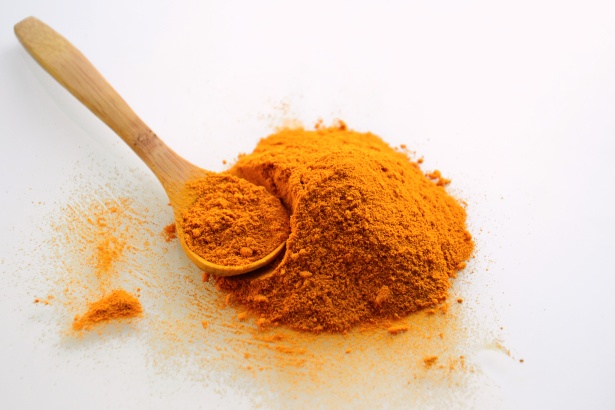
Pahadi haldi is sold in our Pahadi Store at a fixed ₹250 for 1 kg (MRP ₹280), sold by My Quick Trippers from its own supply, checked 13 Nov 2026. The price is fixed, not indicative: it comes from the store's own supplier list. The store sells sun-dried turmeric, ground pure, in a 1 kg pack — the powder this post is about, the golden spoonful in the achar jar. Our post on how to buy pahadi haldi shows how to check the colour, the aroma and the texture of a good powder before you buy, and our post on haldi in the everyday dal and sabzi shows the same powder at work in the pot.
Frequently Asked Questions
Does haldi go into every pickle?
Nearly every one in a hill kitchen. It is in the masala of the mango pickle, the lemon pickle, the green chilli pickle and the mixed pickle — for colour and for its earthy flavour. A pickle made without haldi is a rare thing, and it looks pale beside one made with it.
How much haldi should I use per kilo of pickle?
A spoonful or two of turmeric powder per kilo is a fair starting point — a teaspoon per kilo for a pale pickle, a tablespoon per kilo for a deep gold one. The measure is the colour of the masala, not the spoon: add haldi until the masala is the gold you recognise, and stop there. Haldi can always be added; it cannot be taken out.
Can I use fresh turmeric root instead of powder?
A pickle made from fresh root is a different preparation, and the store does not sell fresh root — it sells powder. This post is about the powder, mixed into the masala. Fresh root would need to be ground first, and it makes a wetter masala that behaves differently in the jar.
Does haldi change the taste of a pickle, or just the colour?
Both. It gives the pickle its golden colour, and it gives the masala an earthy, warm base under the sharper flavours of mustard, chilli and salt. A pickle made with too much haldi tastes bitter and earthy; one made with too little tastes thin.
Where can I buy pahadi haldi?
In the Pahadi Store at a fixed ₹250 for 1 kg (MRP ₹280), sold by My Quick Trippers, checked 13 Nov 2026. The store sells sun-dried turmeric, ground pure, in a 1 kg pack.
Sources
- My Quick Trippers — Pahadi Store
- My Quick Trippers — How to buy pahadi haldi
- My Quick Trippers — Haldi milk and everyday uses
- My Quick Trippers — Aam ka achar: how hill households make it
- My Quick Trippers — Nimbu ka achar: variations, instant vs traditional
- My Quick Trippers — Mix achar: what goes in through the year
Share this article