Sikkim in Winter: Gangtok and Nathula Pass Guide
By My Quick Trippers · 22 Oct 2026
9 min read · Mountains & Adventure
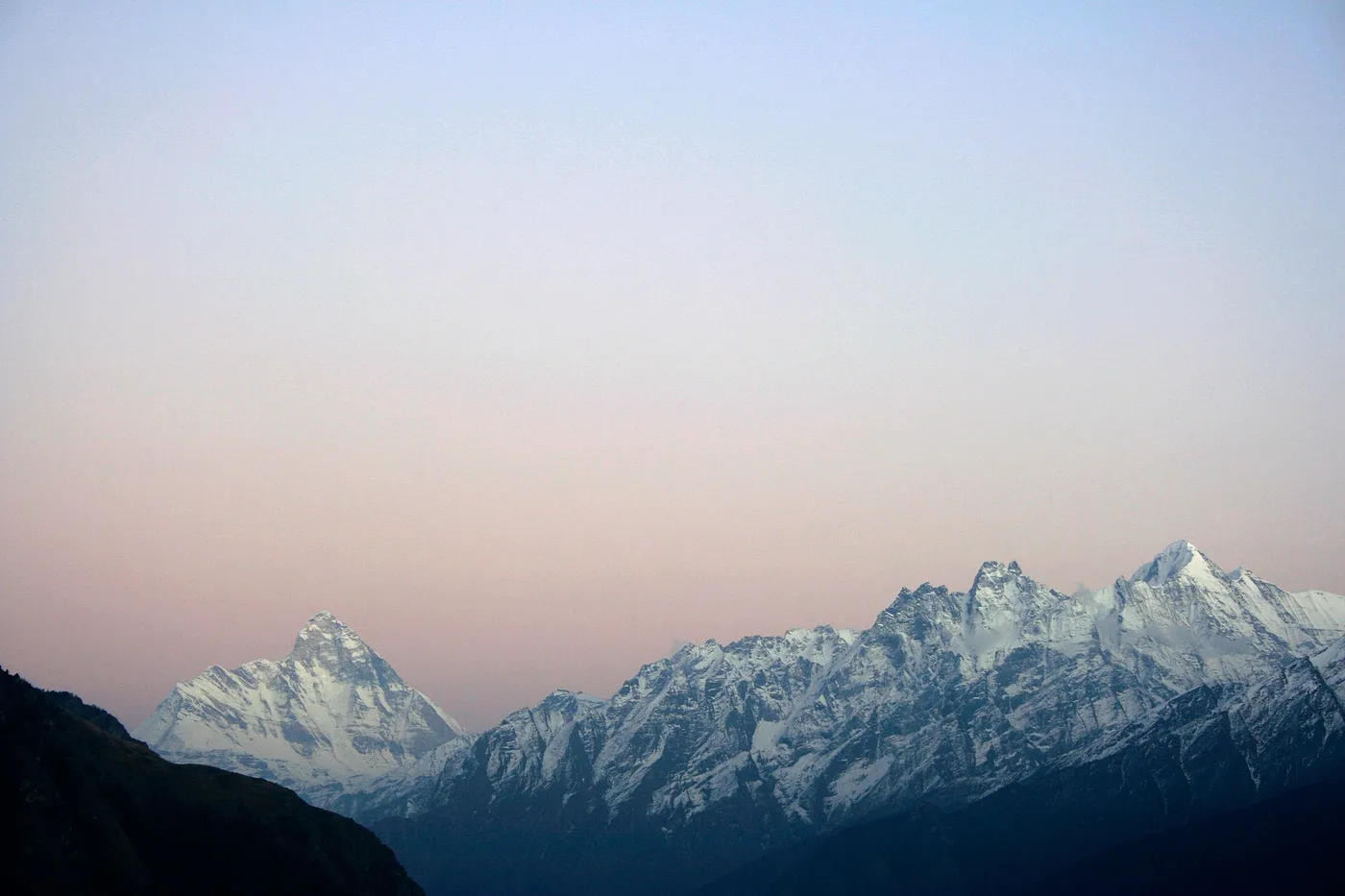
Winter changes Sikkim in the best possible way. The monsoon clouds lift, the air turns crisp and dry, and the great eastern Himalayan peaks stand out in sharp, almost unreal clarity against a deep blue sky. Gangtok, the hill capital, becomes a comfortable base for slow mornings, monastery visits and viewpoints that actually deliver the views they promise, while the high road towards Nathula Pass offers the kind of stark, high-altitude drama that summer travellers often miss behind rain and mist. This guide covers how to plan a winter trip to Gangtok and Nathula: when to go, what the cold really feels like, how permits work, and how to build an itinerary that leaves room for the weather to have its say.
The first thing to understand about a Sikkim winter is that it is a season of trade-offs, and most of them work in your favour. Days are usually bright and sunny, which makes sightseeing genuinely pleasant, but mornings and evenings are properly cold, especially once you climb above Gangtok towards Tsomgo Lake and Nathula. Snow is possible at the higher points, and that possibility is both the attraction and the risk: a fresh snowfall can close the Nathula road for a day, while the same snowfall turns Tsomgo Lake into a white amphitheatre. The sensible approach is to keep your Gangtok days flexible, book stays with free cancellation where you can, and treat Nathula as a hoped-for highlight rather than a guaranteed one. If you are comparing Himalayan winter options, our best snowfall destinations guide puts Sikkim in context alongside the western Himalaya, and the Gulmarg skiing season guide and Auli skiing winter guide cover the dedicated ski resorts if snow sports are your priority.
When to visit Gangtok in winter, and what to expect
The winter window in Gangtok broadly runs from December to February, with November and early March acting as shoulder months that mix autumn clarity with the first real cold. December is often the sweet spot: the festive rush has eased, the skies are at their clearest, and the town is decorated and lively without being crowded. January is the coldest month, when night temperatures in Gangtok can dip close to freezing and the higher reaches are regularly snow-dusted, while February brings slightly longer days and the first hints of spring at lower altitudes. None of these are fixed guarantees, and a single western disturbance can bring cloud and snow to the whole region for several days, so check a reliable mountain forecast a few days before you travel rather than relying on a monthly average you read months earlier.
Pack for real cold, not for a hill-station postcard. A warm jacket, thermal inner layers, gloves, a woollen cap and sturdy walking shoes with good grip are the essentials, and you will want them even on sunny days once you leave Gangtok for higher ground. Layering matters more than one heavy coat, because a bright afternoon at a viewpoint can feel warm while the same evening back in town feels bitter. Sunscreen and lip balm are easy to forget in winter and just as easy to regret forgetting, since high-altitude sun on snow is intense even when the air is cold. If you are travelling with children or older family members, add extra warm layers and plan shorter outings with warm indoor breaks, and keep medicines and water within easy reach rather than buried in a suitcase.
Gangtok itself: monasteries, viewpoints and MG Marg
Gangtok rewards a slow first day. Start with the Enchey Monastery and the Namgyal Institute of Tibetology if you want the cultural side of the city, then head to one of the viewpoints above town for the classic Kanchenjunga panorama, which is at its best on a clear winter morning. The Ropeway across the town gives a useful orientation and a memorable ride, and the flower exhibition centre is a pleasant indoor stop when the wind picks up. In the evening, MG Marg, the pedestrian-only main street, is where Gangtok relaxes: cafes, bakeries, local shops and restaurants line a clean, well-lit stretch that is easy to stroll with family. It is also the best place to sort out practical things, from booking a local taxi for the next day to buying woollens you forgot to pack.
Food in Gangtok deserves its own unhurried evening. Momos, thukpa and other Himalayan staples are everywhere, and winter is the right season to enjoy them properly, preferably steaming hot after a cold day out. Try a local restaurant away from the main tourist strip at least once, and ask your hotel or driver for a recommendation rather than defaulting to the first place with a picture menu. If you are extending the trip, the Darjeeling autumn family itinerary shows how the neighbouring hill town pairs with a Sikkim visit, and many travellers combine the two in a single eastern Himalaya holiday. For a packaged option, compare Sikkim tour packages and Gangtok tour packages to see what a guided version of this route typically includes, and check what is actually covered before you assume transport and permits are part of the price.
Nathula Pass and Tsomgo Lake: permits, altitude and road reality
Nathula Pass sits on the old Silk Route at the India-China border, and visiting it is a different kind of day trip from anything else around Gangtok. The pass is at very high altitude, the road climbs through stark, treeless terrain, and access is controlled: Indian nationals need a permit arranged in advance, usually through a registered local tour operator or your hotel, with photo identification submitted a day ahead, and the pass is closed on certain days of the week, so confirm the current weekly closure before you plan around it. Foreign nationals face separate restrictions on this route, so check the current rules for your nationality well before travelling rather than on arrival. Permits, timings and closures change, and the only safe source is the local administration or your operator on the ground, not a blog post written months earlier.
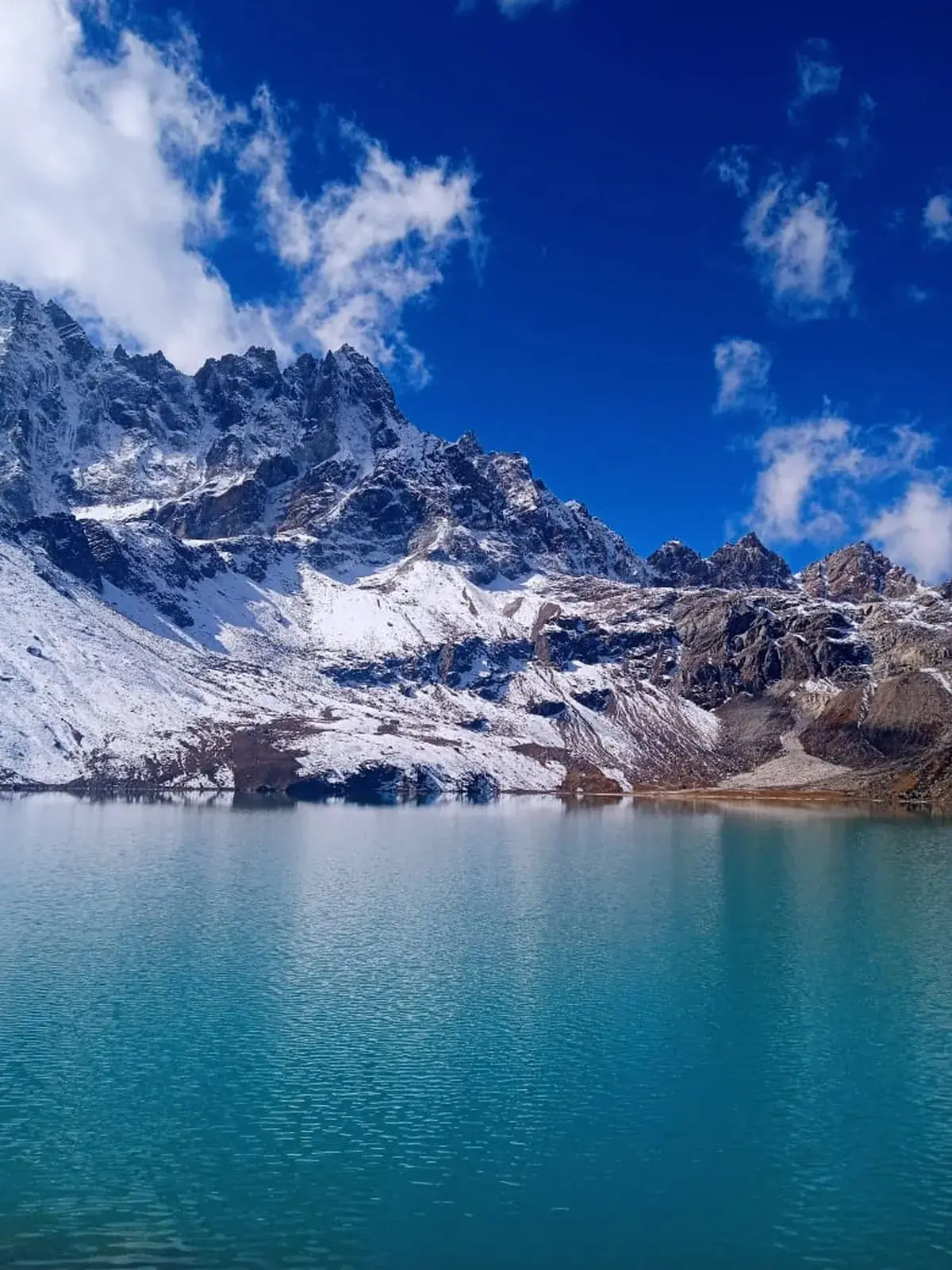
Altitude deserves respect on this route. The climb from Gangtok to Nathula is fast, and headaches, nausea and breathlessness are common if you rush it, especially if you have flown in recently or slept poorly. Spend at least a full day acclimatising in Gangtok first, drink water steadily, avoid alcohol the night before, and tell your driver immediately if you feel unwell rather than pushing on to the pass. Tsomgo Lake, on the way to Nathula, is the natural halfway reward: a high, oval glacial lake that freezes in deep winter and is ringed by steep slopes, with yaks and small shops nearby. If Nathula is closed on your day, Tsomgo Lake alone still makes a worthwhile outing, and the Baba Mandir shrine further along the road is another stop that drivers commonly include when conditions allow.
A practical 4-day winter itinerary
A workable winter plan gives Gangtok three nights and keeps one day deliberately loose. Arrive via Bagdogra airport or New Jalpaiguri station, then drive up to Gangtok, which takes most of an afternoon, and spend the evening on MG Marg. Day two is for Gangtok itself: monasteries, viewpoints, the ropeway and a relaxed café evening. Day three is the Nathula and Tsomgo Lake day, starting early, with permits already arranged, and with the understanding that snow or a closure may turn it into a Tsomgo Lake and Baba Mandir day instead. Day four is your buffer: revisit a viewpoint in better light, explore a monastery you skipped, shop for local tea and handicrafts, and then descend to Siliguri in the afternoon. If you have a fifth day, a side trip to a lower-altitude town or an extra Gangtok day is a better use of it than a rushed second high pass.
Reaching Sikkim takes planning in itself, and winter makes the road journey slower than the map suggests. Most travellers fly to Bagdogra or take a train to New Jalpaiguri, then hire a vehicle for the climb to Gangtok, and shared jeeps are available for budget travellers. Book the onward vehicle in advance in winter, carry a power bank and offline maps, and keep your first night in Gangtok pre-booked so you are not hunting for a room after a long journey in the cold. If you are weighing this trip against other winter breaks, the long weekend calendar for November and December helps you fit Sikkim into a leave plan, and a Darjeeling Gangtok tour is worth comparing if you want both hill towns handled in one booking. Prices vary by season and vehicle type, so get a written quote for the full route, including waiting time at Tsomgo Lake and Nathula, before you set out.
Winter tips that save the trip
The single most useful winter habit in Sikkim is starting early. Mountain light is best in the morning, viewpoints cloud over more often by afternoon, and an early start gives your driver room to deal with slow traffic or a road check without ruining the day. Keep your phone charged and carry cash, since card machines and mobile networks can both be unreliable on the high road, and keep your permit copies and identification in a jacket pocket rather than in luggage. If you are travelling with a driver, agree the day's plan the previous evening, including the fallback if Nathula is closed, so nobody is negotiating in a cold car park at dawn. Finally, travel gently: Sikkim is famously clean and environmentally conscious, so carry your litter back, respect monastery rules about photography, and dress modestly at religious sites even when you are layered up against the cold.
Winter in Gangtok and Nathula is not the easiest Himalayan trip you can take, and that is exactly why it stays with you. The combination of a likeable small capital, clear winter skies, monastery culture and a high border pass in one short holiday is hard to match elsewhere in India, provided you plan for cold, permits and the occasional closed road. Book the essentials early, keep one day flexible, pack for real cold, and let the weather shape the details rather than fighting it. Done that way, a Sikkim winter trip gives you the Himalaya at its clearest and quietest, and a set of memories that summer crowds never quite get. My Quick Trippers can help you compare the route options and package inclusions before you commit, so the trip you book is the trip you actually take.
Share this article