Srinagar: Dal Lake, Mughal Gardens & Houseboats
By My Quick Trippers · 17 Oct 2026
7 min read · Destination Guides
Srinagar is Kashmir's soul — a 1,500-year-old city built around lakes and rivers, where Mughal emperors laid out paradise gardens, houseboats have floated for a century, and the day still begins with the floating vegetable market at dawn. No Kashmir trip is complete without two to three unhurried days in Srinagar. This Srinagar guide covers Dal Lake, the Mughal gardens, houseboats, the old city, and how to plan your stay.
The city rewards slow travellers: mornings on the lake, afternoons in the gardens, evenings on Boulevard Road watching the Zabarwan hills change colour. It is also the valley's transport hub — every Kashmir itinerary starts, ends, or passes through here.
Dal Lake is Srinagar's beating heart — 18 square kilometres of water with floating gardens, lotus beds, and a whole community living on its surface. The essential experience is the shikara ride: an hour or two gliding past floating vegetable gardens, lotus lanes (in season), and the famous floating market, best visited at dawn when vendors trade produce boat-to-boat.
Fix the shikara price and duration before boarding — one hour is standard, two is leisurely. Early morning and sunset are the magical hours; midday in summer is harsh. The Nehru Park and Char Chinar islands make good mid-ride stops. For photographers, the dawn floating market (around 5-6 AM) is unmissable — arrange it through your houseboat the evening before.
Nigeen Lake: The Quieter Alternative
Nigeen, Dal's smaller western neighbour, offers the same houseboat and shikara experience with far fewer crowds and cleaner water. Travellers seeking tranquillity often prefer Nigeen's houseboats — the sunsets here, with the Hari Parbat fort silhouetted, are spectacular.
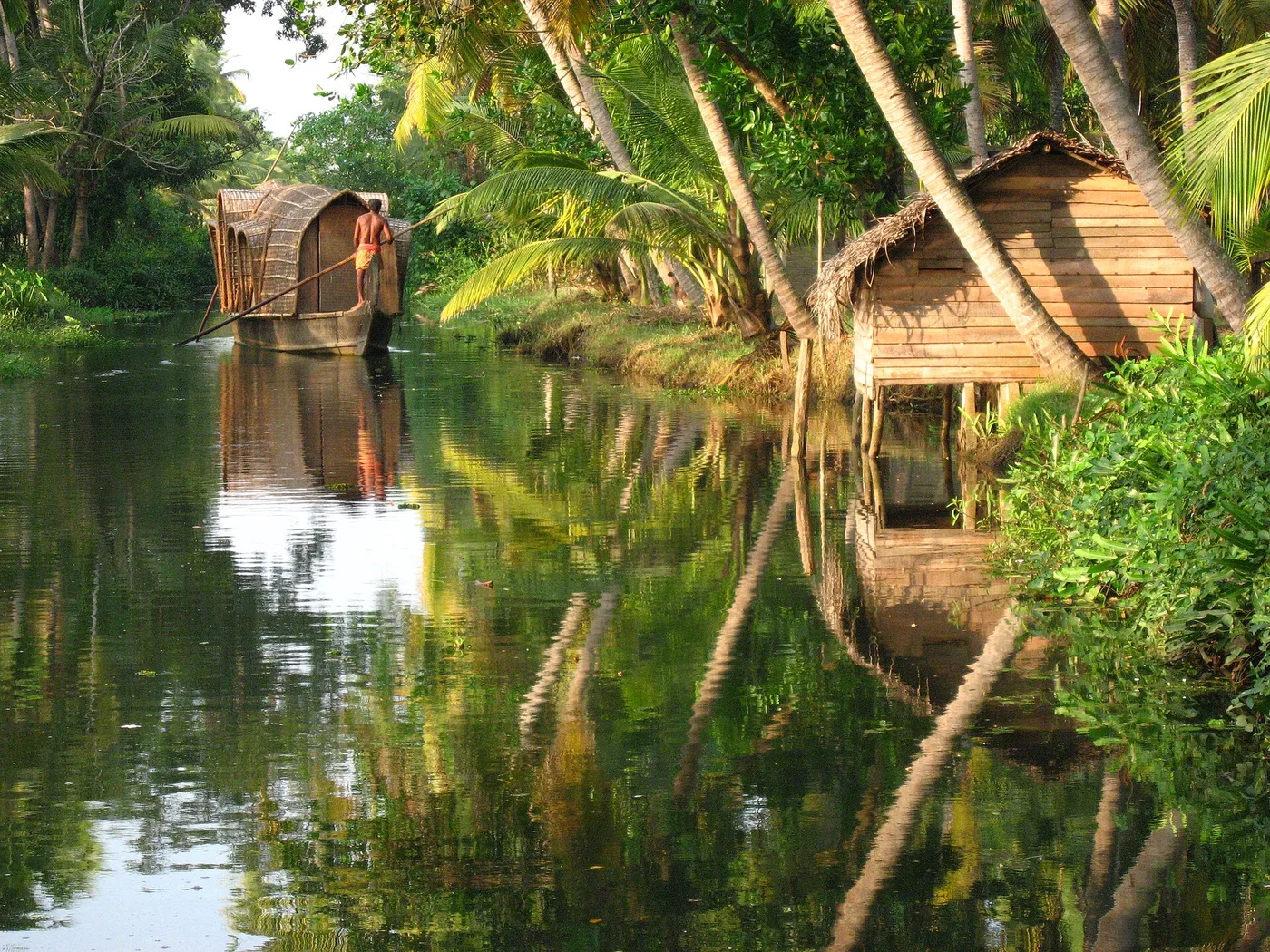
Srinagar's houseboats — cedar-panelled, with carved walnut furniture and flower-filled decks — are a heritage experience. They cluster on Dal Lake (Boulevard side) and Nigeen Lake, graded from basic to luxury (the official classification helps). Book through reputable channels, confirm exactly what is included (meals, shikara transfers, heating in winter), and inspect recent reviews.
A houseboat stay includes the romance of waking on water, but be realistic: bathrooms are compact, and in winter only heated boats are comfortable. One to two nights is the sweet spot for most travellers — enough for the experience, with remaining nights in a Srinagar hotel for comfort and sightseeing convenience.
The Mughals built their vision of paradise on Dal Lake's eastern shore, and three gardens survive magnificently. Shalimar Bagh, built by Jahangir for Nur Jahan, is the grandest — terraced lawns, water channels, and the black marble pavilion. Nishat Bagh, the 'garden of bliss', offers the finest lake views through its twelve terraces. Chashme Shahi, the smallest, charms with its natural spring and intimate scale.
Visit in the morning for the best light and fewest crowds. Spring (April-May) brings the gardens alive with flowers; autumn (October-November) sets the chinar trees ablaze; winter drapes them in misty solitude. Pari Mahal, the 'palace of fairies' above Chashme Shahi, adds a sunset viewpoint over the lake and city.
Shankaracharya Temple and Hari Parbat
The Shankaracharya temple, atop its hill 1,000 feet above the city, offers Srinagar's best panoramic view — the lakes, the old city, and the valley spread below. The 16th-century Hari Parbat fort, crowning its own hill, anchors the old city's skyline. Both involve climbs; go early and carry water.
Cross the Jhelum into downtown Srinagar for the city's other half: the Shah Hamdan mosque with its stunning papier-mâché interiors, the Jamia Masjid's 370 wooden pillars, the old bazaars of Zaina Kadal, and the craft quarters where papier-mâché, crewel embroidery, and walnut carving are still made by hand. A guided old-city walk is the best way in — the lanes reward local knowledge.
For crafts, the government emporiums and reputable private showrooms offer fixed-price authenticity; in the bazaars, bargaining is expected. Genuine pashmina, silk carpets, and papier-mâché boxes make meaningful souvenirs — buy from trusted sellers and ask for authenticity markers on pashmina.
April to October is the main season: spring (April-May) for tulips and blossoms, summer (June-August) for pleasant weather and full lake life, autumn (October-November) for chinar colours. December to February is winter — misty, cold, occasionally snowy, and atmospheric in a completely different register.
Day 1
Arrive; afternoon shikara ride on Dal Lake; sunset on Boulevard Road. Overnight houseboat (or hotel).
Day 2
Morning: Shalimar Bagh, Nishat Bagh, Chashme Shahi, Pari Mahal. Afternoon: old city walk — Jamia Masjid, Shah Hamdan, bazaars. Evening: kahwa at a lakefront cafe.
Day 3
Dawn floating market by shikara; Shankaracharya temple viewpoint; afternoon at leisure or depart for Gulmarg/Pahalgam.
Fly into Srinagar — the airport is modern and well-connected. Pre-paid taxis and hotel transfers are easiest for arrival. Carry ID; there are security checks at tourist sites. Dress modestly in the old city and at religious sites. Bargain firmly but good-naturedly with shikara wallahs and shopkeepers. And try the local food: rogan josh, dum aloo, nadru (lotus stem), and kehwa are essential tasting.
Srinagar is one of India's great food cities, and eating well here is essential sightseeing. The wazwan — the traditional multi-course Kashmiri feast with rogan josh, rista, goshtaba, and more — is the celebratory pinnacle; several restaurants serve wazwan thalis for visitors. Everyday essentials: nadru (lotus stem) preparations, dum aloo Kashmiri, haak (collard greens), and the trout of the valley's streams.
Don't miss the bakery culture: the kandur (traditional baker) shops sell sheermal, baqerkhani, and the incomparable Kashmiri breads best eaten with kehwa — the saffron-almond green tea that is the valley's social lubricant. A food walk through the old city, guided by a local, is the fastest education in Kashmiri cuisine.
Srinagar is the hub from which most Kashmir itineraries radiate — Gulmarg, Pahalgam, and Sonmarg form the classic triangle around it. Travellers with more time add Ladakh by road over Zoji La, or contrast the valley with Himachal Pradesh's Shimla–Manali circuit. The Mughal-garden theme reaches its grandest expression in Uttar Pradesh's Agra, and many visitors pair Kashmir with the Golden Triangle or with Rajasthan for a mountains-plus-heritage fortnight.
How many days are enough for Srinagar?
Two to three days cover Dal Lake, the Mughal gardens, and the old city comfortably. Most Kashmir itineraries add Gulmarg and Pahalgam as separate 1-2 day excursions.
Is a houseboat stay worth it?
Yes — it is a heritage experience unique to Srinagar. Choose a well-reviewed boat on Nigeen for quiet or Dal for the classic scene, confirm heating in winter, and plan one to two nights.
What is the best time to visit Srinagar?
April-May for flowers and tulips, June-August for classic summer weather, October-November for autumn colours, December-February for winter atmosphere and possible snow.
How much does a shikara ride cost?
Rates are officially fixed by duration, but bargaining is common — agree on price and time before boarding. Dawn floating-market trips cost more and are worth arranging through your houseboat.
Is Srinagar safe for tourists?
Srinagar's tourist areas operate normally with established tourist infrastructure. Take the usual travel precautions, stay in the main tourist zones, and check current advisories before travelling — as you would for any destination.
Srinagar is a city that works on water-time — slow, reflective, beautiful. Give it unhurried days: the lake at dawn, the gardens in morning light, the old city in the afternoon. To plan houseboats, garden days, and onward Kashmir excursions, chat with our travel experts on WhatsApp to plan this trip.
Share this article