Thekkady: Periyar Wildlife & Spice Plantations
By My Quick Trippers · 15 Oct 2026
8 min read · Wildlife
Thekkady, the gateway town to the Periyar Tiger Reserve in Kerala's Idukki district, is where two of South India's greatest pleasures meet: watching wild elephants drink at the edge of a vast artificial lake, and walking through spice gardens heavy with the scent of cardamom and pepper. If a thekkady trip is on your mind, this guide covers the Periyar wildlife experience, the spice plantation trails, and how to plan your days around Kumily town.
Periyar is one of India's oldest protected areas, centred on the 26-square-kilometre Periyar Lake formed by the Mullaperiyar Dam. Unlike the open grasslands of central Indian parks, Periyar is dense evergreen and moist deciduous forest — sightings demand patience, but the setting is pure atmosphere: mist on the water at dawn, hornbills crossing overhead, and the chance of elephants, gaur, sambar, and, if luck is extraordinary, a tiger.
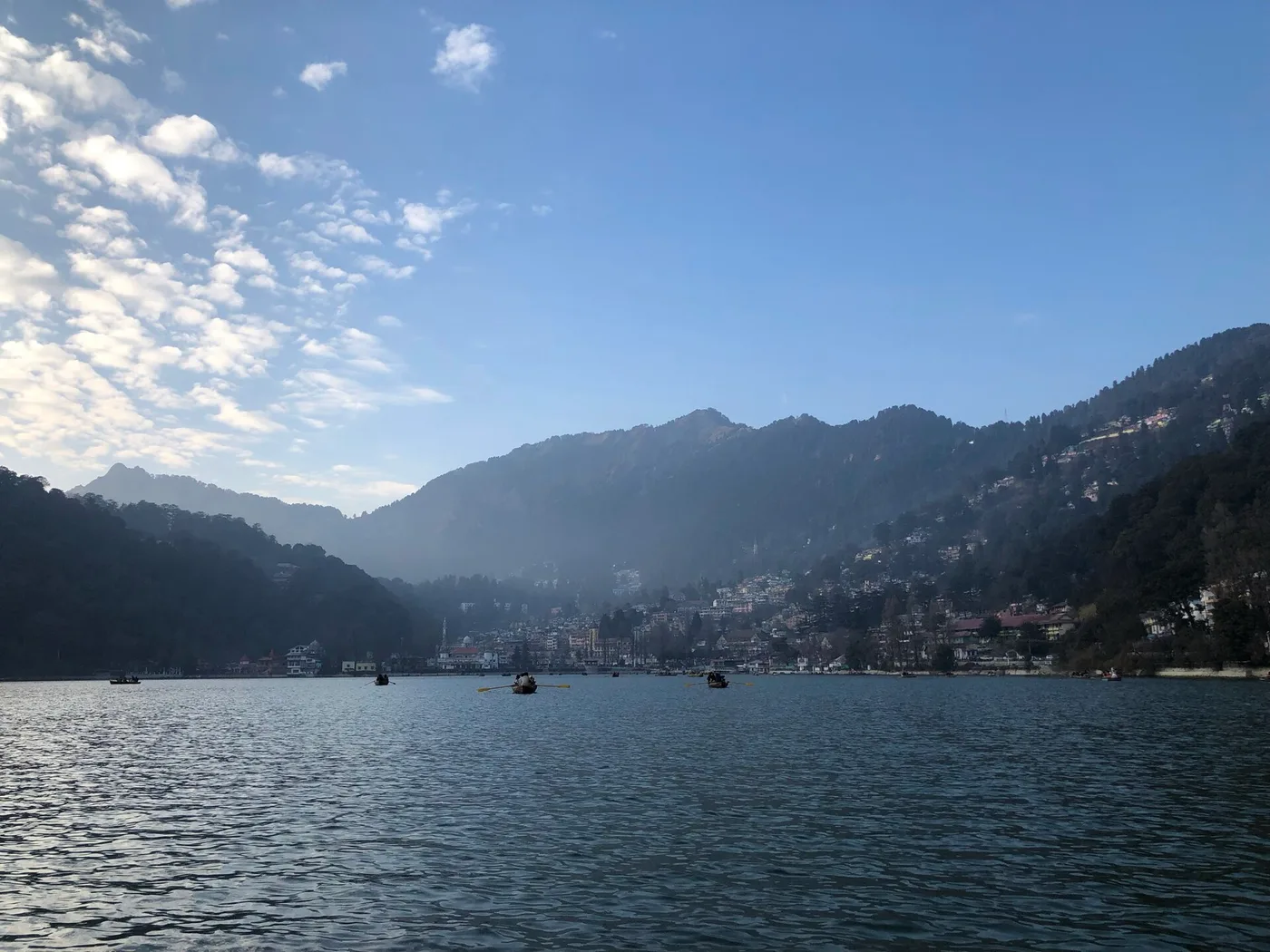
The classic Periyar experience is the boat safari on Periyar Lake, run by the forest department from the Thekkady boat landing. Boats typically sail morning and afternoon for about 90 minutes, following the lake's forested shoreline where herds of elephants come to drink and bathe, especially in the hotter months from March to May. Upper-deck seats give the best views, and the early-morning sailing usually has the calmest water and most active wildlife.
Boat safaris are wonderful but passive; Periyar's real magic is on foot. The forest department runs guided programs of varying intensity: the two-hour Nature Walk, the half-day Bamboo Rafting (a serene float combined with a forest trek), the full-day Periyar Tiger Trail, and the multi-day treks with overnight jungle camps for serious adventurers. These walks are led by trained tribal guides — former poachers turned protectors — whose tracking skills transform a quiet forest into a readable story of pugmarks, alarm calls, and fresh dung.
What Wildlife Can You See?
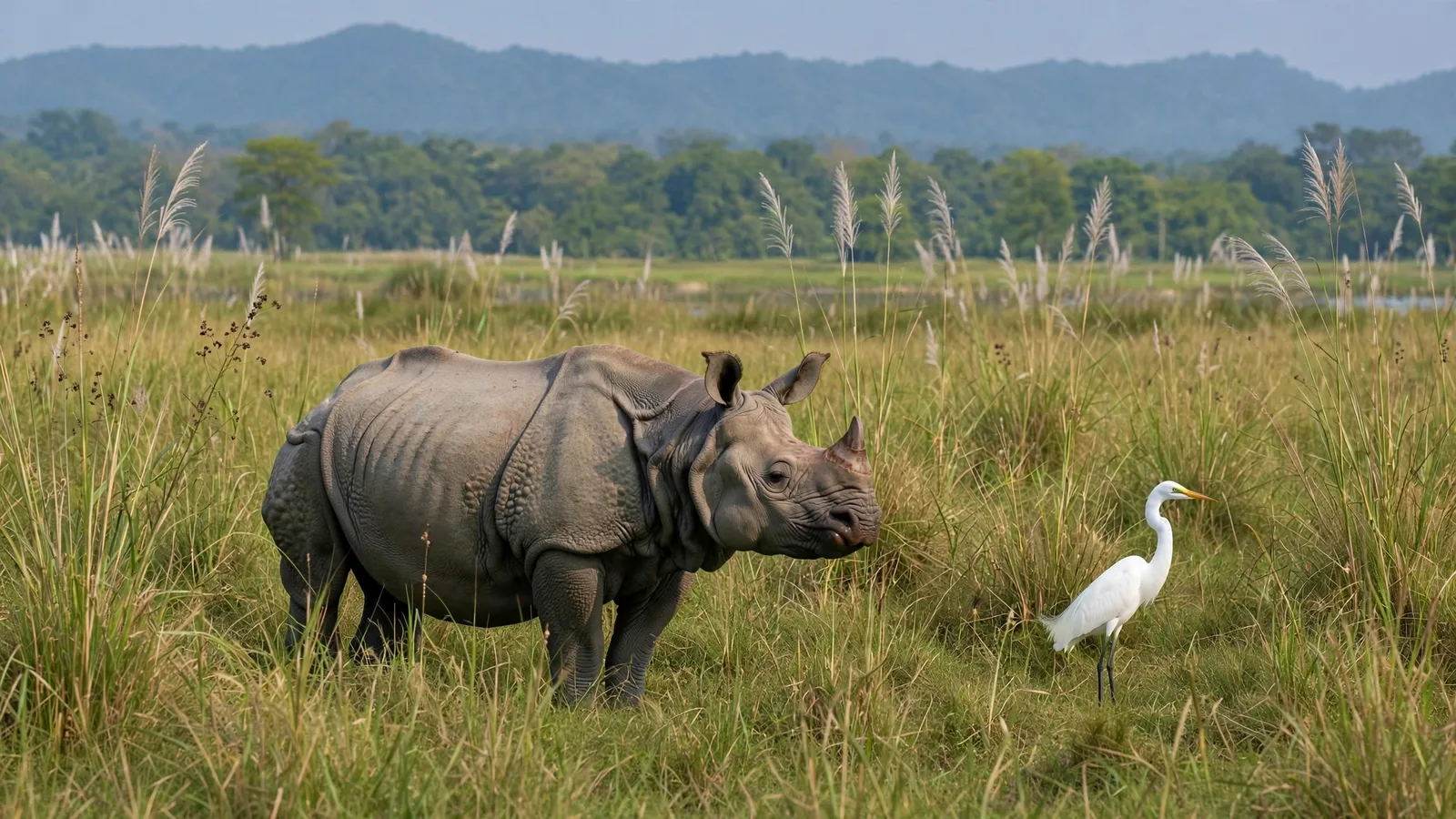
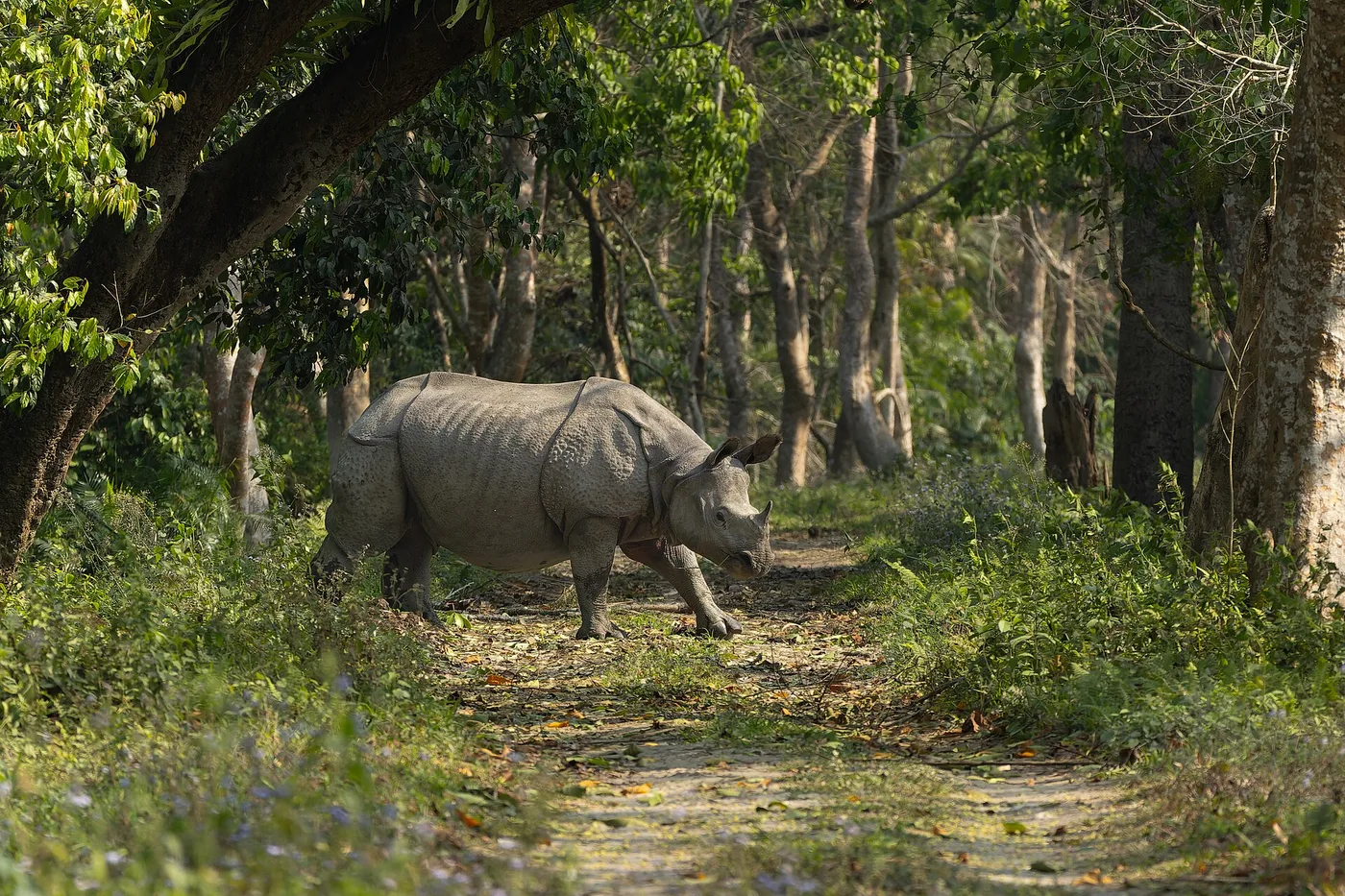
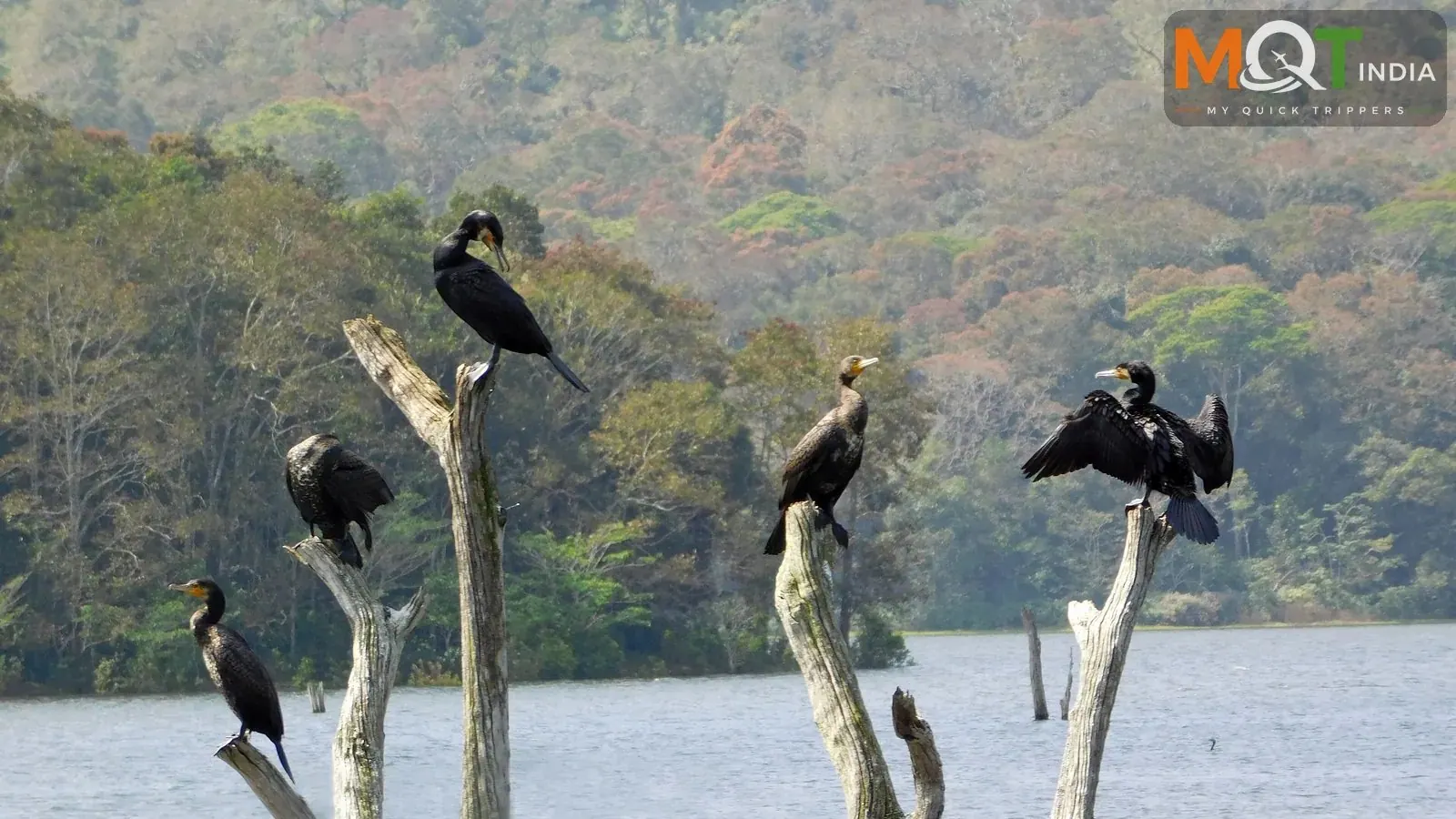
Elephants are the headliners — Periyar's herds are among the most reliably sighted in South India, particularly from the boats and along the lake-edge trekking routes. Gaur (Indian bison), sambar deer, wild boar, Nilgiri langur, and giant Malabar squirrels are common. Tigers and leopards are present but elusive in this dense forest; consider a sighting a lifetime bonus rather than an expectation. Birdlife is superb year-round: great Indian hornbills, darters, kingfishers, and migratory species in winter.
Safari Timings and Booking Tips
Boat tickets are sold at the Thekkady landing and can sell out in peak season (December to January), so arrive early or have your hotel arrange them. For trekking programs, book at the forest department's eco-tourism office in advance — slots are limited and popular programs like Bamboo Rafting fill days ahead. Carry binoculars, wear muted colours, and keep voices low on all forest activities; Periyar rewards the quiet observer.
The hills around Kumily grow some of the world's finest cardamom, and a guided spice plantation walk is the perfect counterpoint to a dawn safari. On these 1 to 2 hour walks, growers show you cardamom drying in the sun, pepper vines climbing shade trees, clove, nutmeg, cinnamon, vanilla orchids, and coffee — with tastings of fresh spices and often a cup of spiced tea at the end.
Choose a working plantation over a tourist-trap garden: the genuine ones are slightly rougher around the edges and the guide is usually a family member, not a hired salesman. Mornings are best for the walk, before the heat builds. Most plantations also sell vacuum-packed spices at fair prices — cardamom and black pepper from Thekkady make genuinely good gifts, far fresher than supermarket stock. Combine a plantation visit with the nearby spice auction centre in Kumily if your trip coincides with auction days.
Kumily, Thekkady's twin town, is small but lively. Evenings belong to the cultural shows: Kathakali performances and Kalaripayattu (Kerala's ancient martial art) run daily in season at venues around town — the Kalaripayattu displays of fire and sword work are genuinely thrilling. The town's spice market is worth an hour of browsing, and the Abraham's Spice Garden and spice shops along the main road sell everything from dried vanilla pods to homemade chocolates.
Day trips from Thekkady include the cascading Pandikuzhi waterfalls, the viewpoints at Chellarkovil (with views across the Theni plains of Tamil Nadu), and the quiet hill station of Vagamon about 100 kilometres away. Travellers heading onward often pair Thekkady with Munnar's tea gardens to the north or the backwaters of Alleppey and Kumarakom to the west — the classic Kerala circuit flows naturally through here.
October to February offers the most comfortable weather — cool mornings, clear forest views, and active birdlife. March to May is hotter but paradoxically excellent for elephant sightings, as herds congregate at the shrinking lake edges to drink. June to September brings the monsoon: the forest turns lush and dramatic, crowds vanish, and hotel rates soften, but boat schedules can be disrupted and leeches appear on trekking trails. Spice harvest activity peaks around October to December, a lovely time for plantation walks.
The nearest airports are Madurai (about 145 kilometres) and Kochi (about 190 kilometres), with Madurai offering the shorter, easier drive. Kottayam is the nearest major railway station at roughly 110 kilometres. By road, Thekkady connects well to Munnar (about 4 hours via scenic plantation roads), Madurai (about 4 hours), and Alleppey (about 5 hours). The final approach winds through cardamom country — build in extra time for photo stops.
- Day 1 — Wildlife day: Arrive by noon, afternoon boat safari on Periyar Lake (book the later sailing for softer light), evening Kathakali or Kalaripayattu show in Kumily, dinner at a local Kerala restaurant.
- Day 2 — Plantations and viewpoints: Early morning spice plantation walk, breakfast, then drive to Chellarkovil viewpoint and Pandikuzhi falls. Afternoon: spice market shopping in Kumily before departing for Munnar, Alleppey, or Madurai.
Kumily's spice shops sell cardamom, black pepper, cloves, cinnamon, and dried vanilla at source-fresh quality you won't match in city supermarkets. Buy whole spices rather than powders, crush a cardamom pod to check aroma before purchasing, and prefer vacuum-packed lots for the journey home. Homemade chocolates, high-grown tea, and Ayurvedic soaps round out the bags — bargain politely at street stalls, but expect fixed prices in the established shops.
Thekkady rarely travels alone — it sits mid-circuit on most Kerala itineraries. The classic Cochin Munnar Thekkady Alleppey Tour moves from Kochi’s colonial streets to Munnar’s tea gardens, Thekkady’s forests, and Alleppey’s backwaters in one seamless arc, which is why it remains the state’s most-booked route. The Best Of Kerala Tour follows a similar shape with more flexibility on pace. Travellers entering from Tamil Nadu (Madurai is the nearest major gateway) often do Thekkady as a standalone weekend with a spice-plantation stay — shorter, but it captures the essence.
Will I definitely see a tiger in Periyar?
No — and any operator promising one is misleading you. Periyar's dense evergreen forest makes tiger sightings rare. What Periyar reliably delivers is elephants, gaur, sambar, and superb birdlife, plus one of India's most atmospheric forest settings.
Is the boat safari enough, or should I do a trek?
If time allows, do both. The boat gives you the lake panorama and elephant herds; a guided walk or bamboo rafting session gives you the forest's sounds, smells, and small wonders. The Bamboo Rafting half-day is the best single upgrade.
What should I wear for Periyar activities?
Muted greens, browns, or greys; comfortable walking shoes with grip; a light jacket for early-morning boats in winter. Avoid bright colours and strong perfumes on treks.
Can I combine Thekkady with Munnar and Alleppey?
Absolutely — it is the classic Kerala triangle. A common flow is Kochi to Munnar (2 nights), Munnar to Thekkady (2 nights), Thekkady to Alleppey or Kumarakom (1–2 nights), then Kochi. Our Kerala tour packages follow exactly this rhythm.
Are the spice plantation tours worth it?
Yes, if you pick a genuine working plantation. You will taste spices at their source, learn how cardamom is graded, and buy fresher stock than any city shop offers — all in a beautiful setting.
Thekkady works because it pairs two slow pleasures — watching wild elephants at dawn and walking spice-scented hills by afternoon — that few destinations anywhere combine so neatly. For a Periyar safari, plantation walks, and onward connections to Munnar or the backwaters arranged in one smooth plan, chat with our travel experts on WhatsApp to plan this trip.
Share this article
Comments
Related Posts
Want the full Kerala classic?
View: Kerala Classic 12-Day Tour