What to Pack for a Snow Trip in India
By My Quick Trippers · 6 Oct 2026
7 min read · Travel Planning
Packing for a snow trip in India is where winter holidays are won or lost — the right layers turn a Himalayan January into pure joy, while the wrong ones turn it into a shivering ordeal. Whether you're heading to Gulmarg in Kashmir, Manali in Himachal Pradesh, Auli in Uttarakhand, or the high passes of Ladakh, the packing principles are the same: layering beats bulk, waterproofing beats warmth alone, and extremities (hands, feet, head) decide your comfort. This complete checklist covers exactly what to pack for a snow trip in India — clothing, footwear, gear, and the rent-vs-buy decisions.
Some links on this page are affiliate links — we may earn a commission if you buy through them, at no extra cost to you.
The foundational concept is the three-layer system, and it's worth understanding before you pack a single item. The base layer (thermals) wicks sweat and holds warmth against your skin. The mid layer (fleece or down) provides insulation — trapped warm air. The outer layer (waterproof shell) blocks wind and wet snow. Get these three right and you can handle anything the Indian Himalaya throws at you in winter; get them wrong and no single 'heavy jacket' will save you.
The Clothing System: Layer by Layer
Base layers: pack 2-3 sets of thermal tops and bottoms — merino wool or synthetic; cotton is the enemy (it holds sweat and freezes). These are the workhorses you'll wear daily, so quality matters more here than anywhere. Mid layers: 1-2 fleece jackets or a lightweight down/synthetic puffer — the insulation core. For deep-winter destinations (Gulmarg, Auli in January, Ladakh), a proper down jacket as the mid/outer hybrid is worth its weight.
Outer layer: one waterproof, windproof shell jacket — this is the single most important garment. It needn't be insulated if your mid-layer is solid; it must be waterproof (not just water-resistant) and windproof. Bottoms: waterproof ski/snow pants or at minimum water-resistant trekking pants over thermals — jeans are a disaster in snow (they soak, freeze, and never dry). Add 3-4 pairs of warm socks (wool or synthetic, never cotton), and sleepwear thermals for cold hotel nights.
Hands, head, and neck: the detail that decides comfort
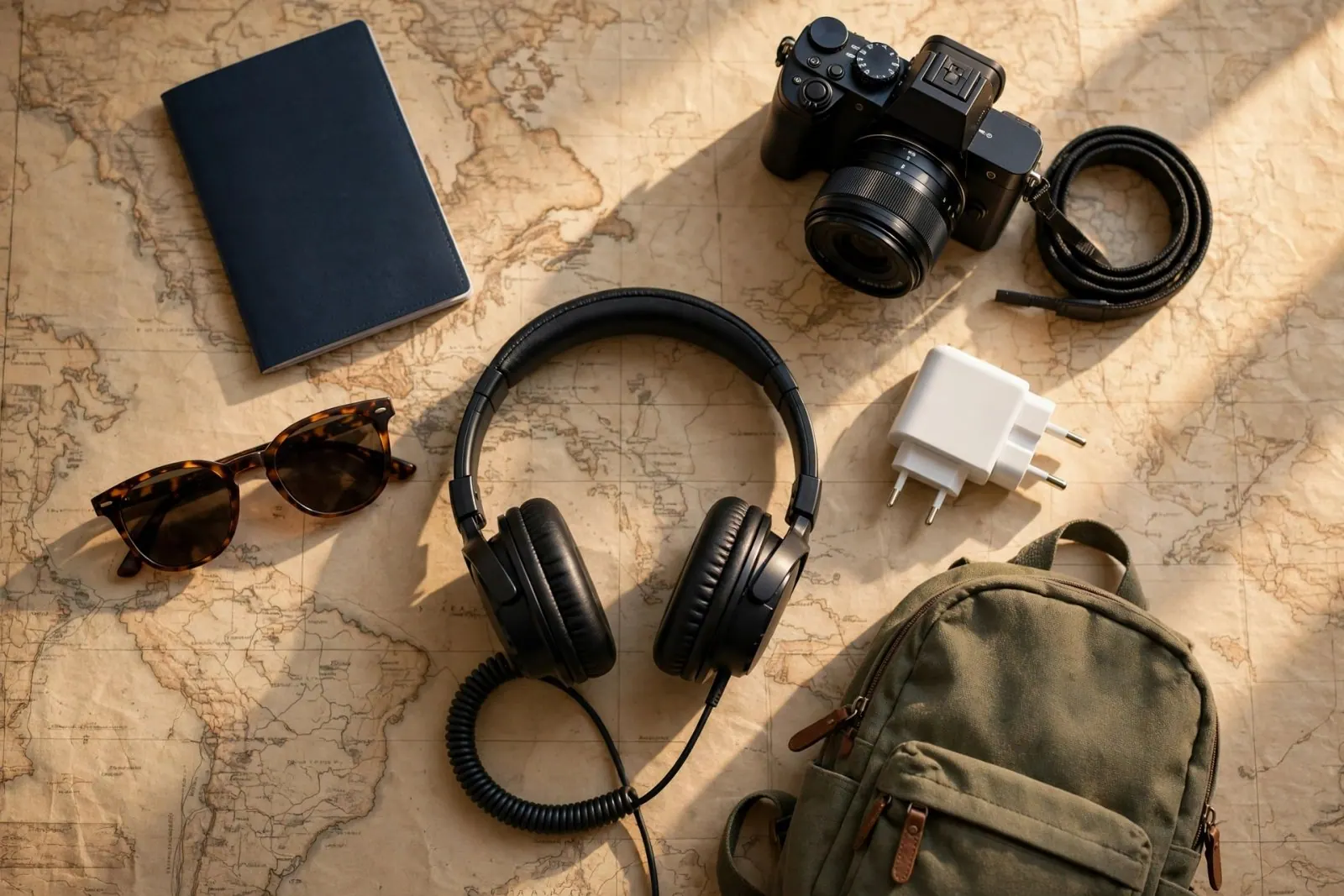
Hands: insulated waterproof gloves plus thin liner gloves — the liners let you use your phone/camera without exposing skin. A rechargeable hand warmer in the pocket covers the coldest mornings. Head: a woollen cap covering ears, plus a balaclava or neck gaiter for windy days and high altitudes. Neck: a fleece neck warmer or scarf — the gap between collar and cap is where cold sneaks in. Sunglasses: UV-protection essential — snow blindness and glare headaches are real at Himalayan altitudes, and the winter sun on snow is brutally bright. Sunscreen and lip balm with SPF: snow reflection burns exposed skin fast.
Footwear: The Make-or-Break Item
Footwear deserves its own section because cold, wet feet end trips. The requirement: waterproof, insulated, high-ankle boots with good grip — proper snow or winter trekking boots. Regular sports shoes, no matter how expensive, fail in snow: they soak through, lose grip on ice, and the cold seeps up through thin soles. Break boots in before the trip — new boots on a snow holiday guarantee blisters.
Rent vs buy: if you own good waterproof trekking boots, they'll serve for snow-town trips (Manali, Shimla, Dalhousie). For deep-snow destinations or treks, consider renting proper snow boots at the destination — Manali, Gulmarg, and Auli all have rental shops. Buying makes sense only if you'll do this regularly; quality snow boots are an investment. Either way, pack 2-3 pairs of warm wool socks and change them if they get damp — dry feet are warm feet.
Gear and Accessories
The essentials beyond clothing: a sturdy daypack (20-30L) for excursions, a headlamp or torch (winter days are short; power cuts happen), a thermos flask (hot water/tea is morale in a bottle), basic medicines (cold, headache, altitude, stomach — plus any personal prescriptions with margin), and moisturiser (mountain winter air is brutally dry — skin cracks without it).
Electronics: power bank (cold drains batteries — keep phone and bank in inner pockets), universal charger, and a dry bag or ziplocks for snow protection. Documents: ID proofs, hotel bookings, and permits where needed (some regions require them) — in physical backup, not just on the phone. Cash: ATMs thin out in the mountains and networks fail in bad weather; carry enough for the remote stretches.
What NOT to pack
Leave behind: cotton everything (jeans, cotton socks, cotton hoodies — the cold-weather failure fabric), excessive 'just in case' outfits (you'll live in layers; pack for rewearing), single heavy blankets instead of proper layers, and fashion footwear. Every experienced winter traveller's bag is smaller than a beginner's — because they know what actually works.
Rent vs Buy: The Smart Economics
The rule: buy what touches your skin and what you'll reuse; rent the bulky technical items for one-off trips. Buy: thermals, socks, gloves, cap, sunglasses — personal, affordable, reusable. Rent at destination: ski equipment (skis, boots, poles at Auli, Solang, Gulmarg), snow boots for a single trip, heavy down jackets if you won't need them again. Most snow destinations in Kashmir, Himachal Pradesh, Uttarakhand, and Ladakh have rental ecosystems — ask your hotel or operator on arrival.
The pre-trip purchase that pays for itself: a good waterproof shell jacket. It's the item rentals fit worst and matter most, and you'll use it for years. Everything else can be optimised around it.
- Master the three-layer system: thermal base, insulating mid, waterproof/windproof outer.
- No cotton — thermals, socks, and mid-layers must be wool or synthetic.
- Waterproof insulated boots, broken in before the trip; rent snow boots at destination for one-off trips.
- Protect extremities: liner + insulated gloves, ear-covering cap, neck gaiter, UV sunglasses.
- Carry sunscreen, lip balm, and moisturiser — snow reflection and dry mountain air are harsh.
- Pack power bank, headlamp, thermos, medicines, cash, and document backups.
- Buy personal layers; rent skis, snow boots, and bulky gear at the destination.
Frequently Asked Questions
What clothes do I need for a snow trip in India?
The three-layer system: thermal base layers, fleece/down mid-layers, and a waterproof windproof outer shell — plus waterproof pants, warm socks, insulated gloves, cap, and UV sunglasses. Layering beats any single heavy garment.
Can I wear jeans in the snow?
Strongly discouraged — jeans soak up snowmelt, freeze, and take forever to dry, leaving you cold and miserable. Waterproof snow pants or trekking pants over thermals are the correct choice.
Do I need to buy snow boots for one trip?
No — rent them at the destination. Manali, Gulmarg, Auli, and other snow hubs have rental shops. Buy only if you'll do snow trips regularly; do break in any footwear before the trip.
How cold does it get at snow destinations?
Daytime around freezing to single digits; nights well below — Gulmarg and Auli in January see serious sub-zero cold, Ladakh extreme. Pack for the night temperatures, not the day.
What should I pack for kids on a snow trip?
The same layering system in kid sizes, with extra attention to gloves (kids lose them), waterproof everything (they'll sit in snow), and spare socks. Keep outings shorter and warm-up breaks frequent.
Is sunscreen really necessary in winter?
Absolutely — snow reflects up to 80% of UV, and Himalayan altitude intensifies it. Sunburn and snow blindness are common among unprepared travellers. Apply sunscreen and wear UV sunglasses daily.
Pack right and the snow becomes pure pleasure — pack wrong and it's an endurance test. Layers, waterproofing, and warm extremities: that's the whole secret. Check the list twice, and go meet the Himalayan winter properly dressed. To plan your snow trip, chat with our travel experts on WhatsApp to plan this trip.
Share this article