What to Pack for Char Dham Yatra: Complete Checklist
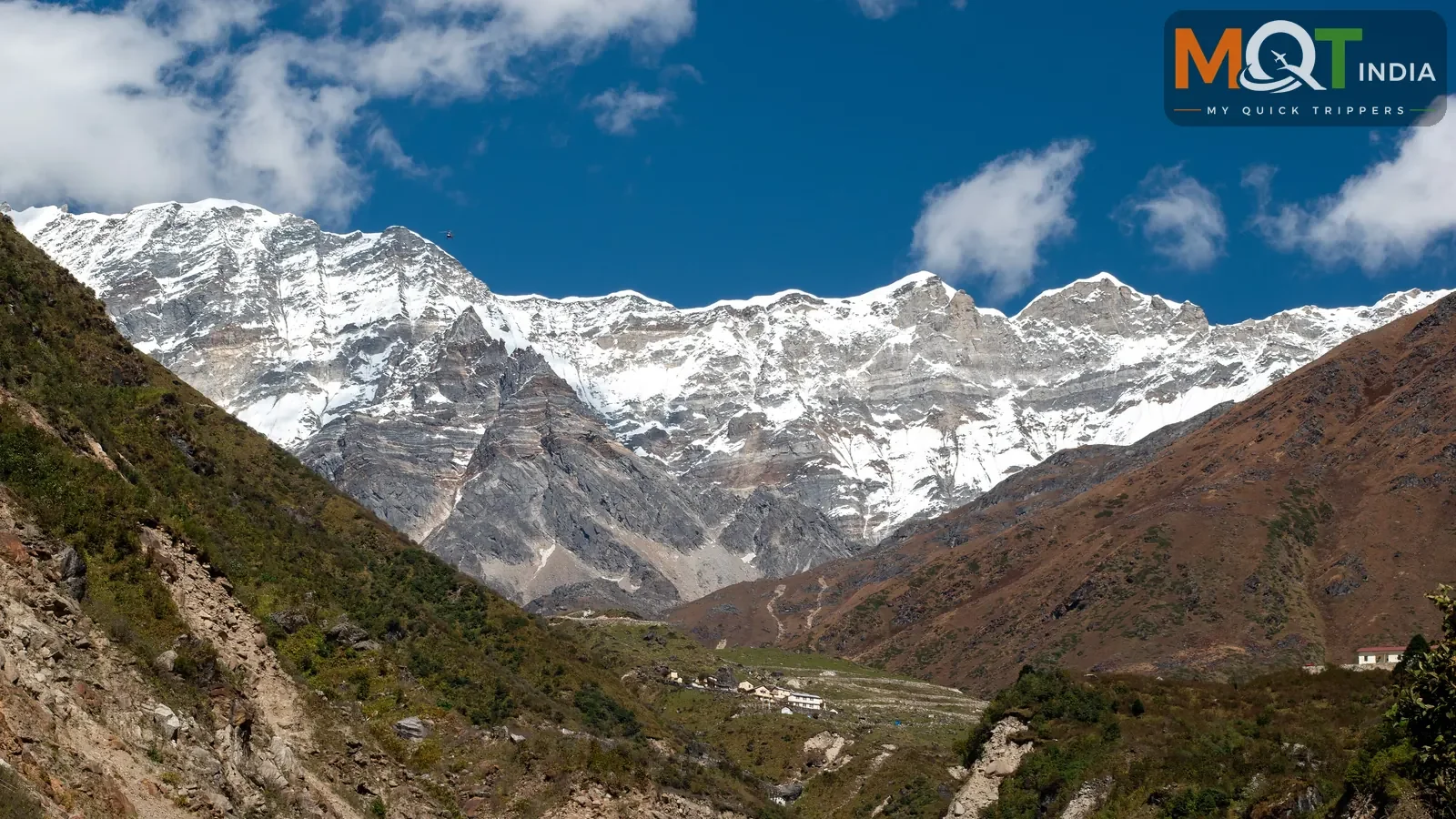
Deciding what to pack for Char Dham Yatra is half the battle, and this list is built from hard experience — the circuit swings — the circuit swings from the warm valleys of Haridwar to 3,500-metre shrines where nights hover near freezing, from paved temple towns to a 16-kilometre mountain trek. Pack wrong and you will be buying overpriced woollens at Guptkashi; pack right and the mountains feel like they were expecting you.
This is the complete, practical Char Dham packing checklist — clothing, trek gear, documents, medicines, electronics and the small things everyone forgets — plus the mistakes first-timers make. Print it, tick it off, and travel light but complete.
The Layering Principle: Dress for Four Climates
The Char Dham route passes through roughly four climate zones: the hot plains (Haridwar/Rishikesh), the pleasant mid-hills (Uttarkashi, Guptkashi), the cold high valleys (Badrinath, Gangotri), and the near-freezing shrine zone (Kedarnath, especially at night). The answer is layering, not one giant jacket: thermal base layers, insulating mid-layers (fleece), and a windproof-plus-waterproof outer shell that you add or remove as the altitude changes.
For the Kedarnath trek specifically, you will start at dawn in full winter gear, warm up within an hour of climbing, and need everything again at the top. A daypack that swallows your shed layers is essential. Cotton is the enemy in the mountains — it stays wet and cold. Choose synthetics or wool for everything that touches your skin.
The Complete Packing Checklist
Clothing
- Thermal innerwear (top + bottom) — 2 sets
- Fleece or woollen mid-layer jacket
- Windproof and waterproof outer jacket (a proper shell, not a fashion jacket)
- Trekking pants — 2-3 pairs, quick-dry; avoid jeans on trek days
- Woollen cap, balaclava or muffler, insulated gloves, 3-4 pairs of warm socks
- Comfortable clothes for the plains halts (Haridwar/Rishikesh are hot in May-June)
- Raincoat or poncho — non-negotiable in every month
- Sturdy, broken-in trekking shoes with ankle support and grippy soles
Trek and daypack gear
- Daypack (20-30 litres) with rain cover for the Kedarnath and Yamunotri treks
- Walking stick — buy cheaply at Gaurikund; invaluable on descents
- Headlamp or torch with spare batteries for pre-dawn starts
- Sunglasses (snow and high-altitude glare), sunscreen SPF 50+, lip balm
- Water bottles totalling 1-2 litres; refill at dhabas and water points
- Energy bars, dry fruits, glucose powder, ORS sachets
Documents and money
- Char Dham registration slip — 2-3 printouts plus a phone photo
- Government photo ID (original + 2 photocopies)
- Passport-size photographs (2-3)
- Travel insurance papers, especially if covering high-altitude evacuation
- Cash in mixed denominations — ATMs are unreliable beyond the base towns; no ATMs on the Kedarnath trek
- A small diary with emergency contacts and your hotel bookings written down (phones die)
Medicines and health
- All prescription medication with 3-4 days' extra supply, in original packaging
- Altitude-sickness medication only on doctor's advice — discuss before the trip, not on the mountain
- Painkillers, anti-inflammatory gel, bandages, antiseptic, motion-sickness tablets
- Personal first-aid basics: blister plasters (critical for the trek), crepe bandage, thermometer
- Water purification tablets as backup
Electronics
- Phone, charger, and a high-capacity power bank — charging points are scarce on the trek
- A basic torch-phone as backup; network is patchy beyond the base towns
- Camera gear only if you will actually use it — every gram matters at altitude
- Small padlock for dormitory and cloakroom use
Packing Mistakes First-Timers Make
The classic errors: bringing a giant suitcase instead of a duffel plus daypack (porters and small mountain vehicles hate suitcases); brand-new trekking shoes (blisters by kilometre 6); a single heavy blanket-style jacket instead of layers; no rain protection because 'it is May'; forgetting that medicines need spares; and packing for Delhi weather all the way to Kedarnath. Helicopter passengers have it stricter — 5 kg soft-bag limits are enforced, so pack a dedicated tiny heli-day kit.
The rule of thumb: if you are doing the road yatra, one medium duffel (left in the vehicle during treks) plus one daypack covers everything. If it does not fit, you do not need it — every Char Dham base town sells the essentials you forgot.
Road Yatra vs Helicopter Yatra: Packing Differences
The road yatra allows a medium duffel in the vehicle plus a daypack for treks — pack normally from the checklist above. The helicopter yatra is a different discipline: strict 5-kg soft-bag limits per passenger mean one small bag for 5-6 days. The heli packing formula: wear your heaviest layers, pack two thermal sets, one fleece, minimal toiletries (small bottles), essential medicines, documents, phone and power bank — and nothing else. Operators store your main luggage at Dehradun.
For the Do Dham (Kedarnath–Badrinath) road trip, you can pack lighter than the full Char Dham — Badrinath needs no trek gear beyond warm layers, and the driving days are fewer. Whatever the format, the golden rule holds: lay everything out, remove a third, and you are packed.
Is laundry possible on the yatra?
Limited — some hotels in the base towns (Uttarkashi, Guptkashi, Joshimath) offer laundry with 24-hour turnaround, but don't count on it. Pack enough thermal and base layers for the trip, use quick-dry fabrics, and hand-wash small items where convenient.
Should I carry food for the trek days?
Only snacks — dhabas line the Kedarnath and Yamunotri trails serving hot meals, maggi, chai and parathas. Carry energy bars, dry fruits, glucose and ORS for between stops. On helicopter days, operators typically include meals; carry personal snacks anyway.
What footwear works for both temples and treks?
One pair of broken-in trekking shoes with ankle support handles the Kedarnath and Yamunotri trails; add a pair of light slip-on sandals for temple visits, hotel use and riverbanks where shoes come off repeatedly. Don't carry three pairs — the two-pair system covers everything. Waterproofing matters more than brand: wet feet at altitude ruin days.
Frequently Asked Questions
How much luggage can I carry on the Kedarnath trek?
Only a daypack — porters at Gaurikund will carry larger bags to Kedarnath for a fee, or leave your main luggage locked in your vehicle or hotel at Sonprayag/Guptkashi. Carry on the trek only what you need for 24 hours.
Do I need a sleeping bag?
Not if you are staying in hotels and guesthouses, which provide bedding. If you plan dharamshala dormitories in peak cold (October), a light sleeping bag liner adds comfort. Trekkers doing Rudranath or Madhyamaheshwar should carry full sleeping gear.
Are woollens available for purchase on the route?
Yes — Guptkashi, Sonprayag, Gaurikund and the base towns sell jackets, gloves, caps and raincoats, but at inflated prices and variable quality. Buy the important items (shoes, shell jacket) at home; treat route purchases as emergency backup.
What about food — should I carry meals?
No need to carry meals — dhabas and tea stalls line all the trek routes and every base town has restaurants. Carry snacks, dry fruits and glucose for energy between stops, and ORS for the long trekking days.
Is there anything I should NOT pack?
Leave valuables and heavy electronics at home, skip the giant suitcase, avoid white or delicate clothing (mountain dust and rain), and do not carry single-use plastic bottles you will discard on the trail — refill instead. Alcohol is best avoided entirely at altitude.
Pack in layers, pack light, and pack for the mountain — not the plains. The Char Dham rewards the well-prepared pilgrim with comfort that lets the spiritual experience take centre stage. For a ready-to-go packing plan matched to your route and month, chat with our travel experts on WhatsApp to plan this trip.
Share this article