Char Dham Yatra with Senior Citizens: Tips & Helicopter Options
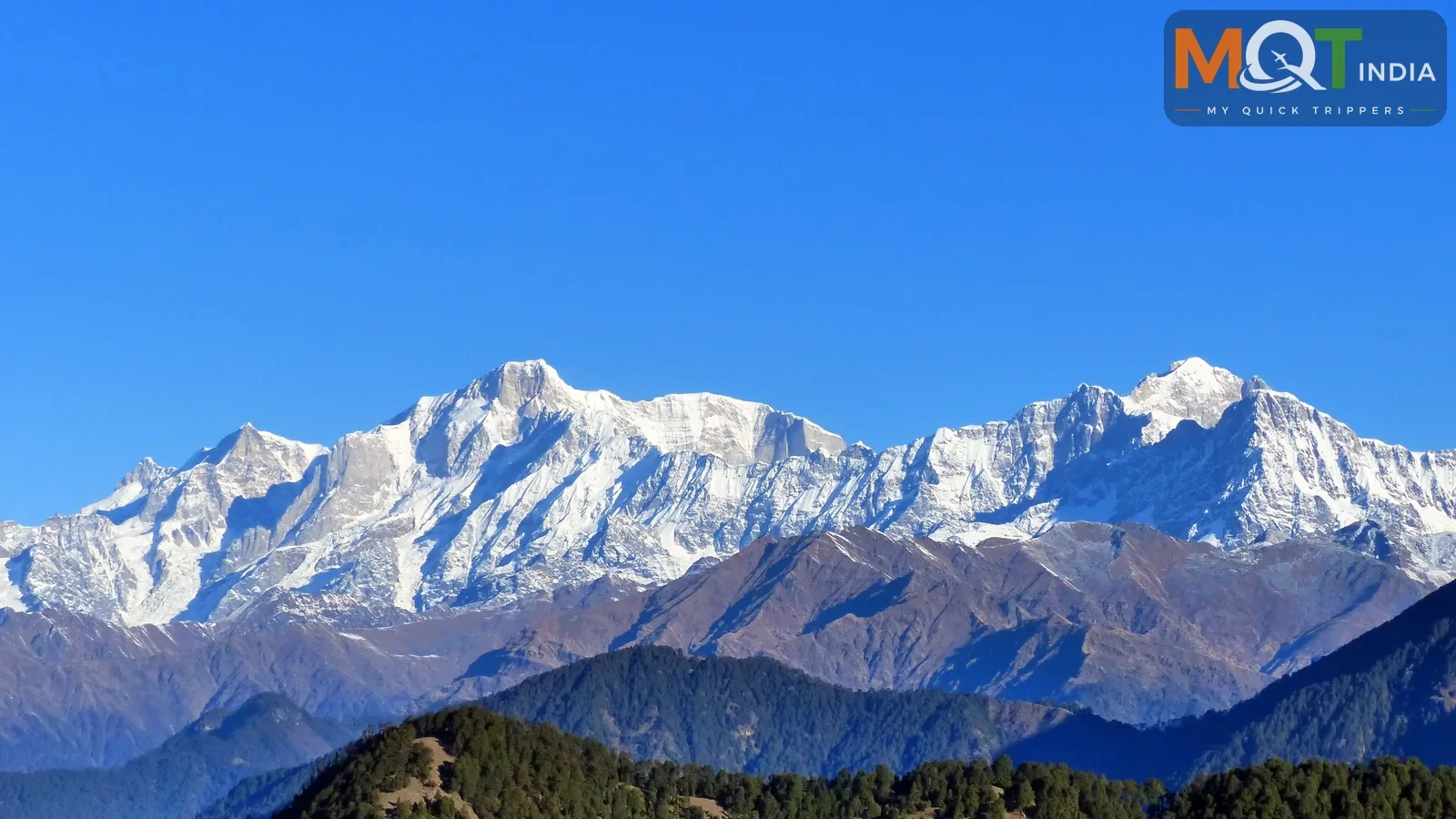
This Char Dham Yatra senior citizens guide exists because the yatra with elderly parents is not only possible — it is common. Every season, thousands of pilgrims in their 70s and 80s complete the circuit, many of them by combining road travel with helicopter sectors. The key is honest planning: choosing the right format, pacing the days gently, preparing medically, and never letting pride override the mountain's realities.
This guide is written for families planning the yatra with elderly parents or grandparents: which dhams suit seniors best, how the helicopter option works, medical preparation, the best months, day-wise pacing advice, and the questions families ask most.
The Right Format: Road, Helicopter, or Hybrid
For senior citizens, the helicopter yatra is transformative: the Char Dham Yatra by Helicopter completes all four shrines in 5-6 days with VIP darshan assistance, eliminating the 16-kilometre Kedarnath trek and the 10-hour driving days. The Do Dham Yatra by Helicopter (Kedarnath and Badrinath in 2-3 days) is the most popular senior-citizen pilgrimage product in Uttarakhand for good reason.
The hybrid approach works beautifully too: helicopter to Kedarnath (the only dham requiring a serious trek), then comfortable road travel to Badrinath, Gangotri and Yamunotri's base — with palkis available at Yamunotri for the 5-6 km trail. Pure road yatras are possible for fit seniors, but demand 11-12 unhurried days with short driving legs and rest days built in. Discuss the options openly as a family; the helicopter is not 'cheating' — it is wisdom.
Medical Preparation: Non-Negotiable Steps
- Full medical check-up 4-6 weeks before: cardiac, blood pressure, blood sugar, pulmonary function and joint assessment.
- Carry all prescription medicines with 4-5 days' extra supply, in original packaging, split between two bags.
- Discuss altitude explicitly with the doctor — Kedarnath is above 3,500 m; Badrinath above 3,100 m.
- Complete the mandatory health screening at Sonprayag honestly; it exists to protect pilgrims.
- Consider travel insurance covering high-altitude medical evacuation — inexpensive peace of mind.
- Carry a written medical summary: conditions, medicines, allergies, doctor's contact, blood group.
Pacing the Yatra: The Gentle Itinerary
The single biggest mistake families make is copying a standard itinerary designed for 30-year-olds. For seniors, add 2-3 days to any standard plan: drive no more than 5-6 hours a day, halt at mid-hill towns (Srinagar, Rudraprayag, Uttarkashi) rather than pushing to the dham bases, and schedule a full rest day after the Kedarnath leg. Darshan queues involve standing — VIP darshan assistance, available through organised packages, is worth every rupee for elderly pilgrims.
Hydration, warm clothing and unhurried mornings matter more than any supplement. Keep the first two days deliberately easy — altitude affects the elderly faster, and acclimatisation cannot be rushed. If anyone develops persistent headache, breathlessness at rest or confusion, descend and seek medical help immediately; do not 'push through'.
Best Months for Senior Citizens
May to mid-June offers the most stable weather and fullest medical and support infrastructure along the route — the safest choice for elderly pilgrims. Mid-September to October is the alternative: thinner crowds (less jostling in queues), clear skies and lower costs, with slightly colder nights. Avoid the monsoon (July-August) entirely with seniors — the landslide risk, slippery paths and travel delays are not worth it.
Whatever the month, avoid the opening week and festival rushes when crowds are densest. Weekday darshans are calmer than weekends throughout the season.
Practical Comfort Tips
Stays and food
Book ground-floor rooms in advance and confirm lift availability where relevant — many mountain hotels have steep stairs. Carry familiar snacks and request simple, less-spicy food; dhabas happily oblige. Keep meal timings regular; long gaps between meals hit seniors harder at altitude.
On the move
Choose an SUV or tempo traveller over a cramped sedan for knee comfort on long drives. Keep a small daypack per person with water, medicines, warm layer and documents — never put essentials in the vehicle's boot during trek days. Palkis at Yamunotri and Kedarnath should be booked at official counters with confirmed rates.
The Family Playbook: Travelling with Elderly Parents
The emotional dynamics matter as much as the logistics. Involve your parents in the planning — the helicopter-vs-road choice, the pace, the halts — so the yatra feels like their pilgrimage, not a managed operation. Assign one family member as the logistics lead (documents, medicines, bookings) so nothing is asked of the elders except to enjoy the journey. Keep daily briefings short: tomorrow's plan, wake-up time, what to wear.
Build in dignity safeguards: private rooms (not dormitories), minimal waiting (VIP darshan where possible), comfortable vehicles with easy ingress, and no rushing — ever. Carry a folding stool for queue waiting; it is a small thing that transforms the darshan experience for arthritic knees. And photograph everything: for many parents, this is the pilgrimage of a lifetime, and the family album becomes the prasad.
Is wheelchair assistance available at the dhams?
Limited but improving — Badrinath's flat, road-accessible layout is the most wheelchair-friendly; Kedarnath's temple area has some assistance but the high-altitude terrain is challenging. Helicopter operators and organised packages can arrange porter/wheelchair support at the temples — confirm specifically when booking rather than assuming.
What if a parent falls ill mid-yatra?
Every dham has medical facilities — Kedarnath's base hospital, medical posts along trek routes, and hospitals at Joshimath, Uttarkashi and Guptkashi. Your travel insurance's emergency number should be saved in every family member's phone. The standard protocol: stop ascending, rest, seek the nearest medical post, and descend if advised — the yatra can wait; health cannot.
Is travel insurance necessary for senior citizen yatris?
Strongly recommended — a policy covering high-altitude travel, medical emergencies and helicopter evacuation. Read the fine print: many standard policies exclude trekking above 3,000 metres or helicopter rescue. Specialist pilgrim and adventure-travel policies cover the Char Dham properly. For elderly travellers, this is non-negotiable.
Frequently Asked Questions
What is the maximum age for the Char Dham Yatra?
There is no official upper age limit, but the Sonprayag health screening assesses fitness for the Kedarnath trek regardless of age. Pilgrims in their 80s complete the helicopter yatra regularly; the deciding factor is health, not the birth year.
Is VIP darshan worth it for seniors?
Yes — it drastically reduces standing time in queues, which is the hardest part of darshan for elderly pilgrims. Organised helicopter packages typically include darshan assistance at all four shrines.
Can a senior with knee problems do Kedarnath?
By helicopter, absolutely — the helipad is minutes from the temple with only a short walk. By trek, no — the 16 km descent is brutal on knees. The palki is a middle option but still involves hours of mountain travel; discuss with the doctor.
Should we carry oxygen?
Portable oxygen cans are sold at base towns and many families carry them as backup, but they are not a substitute for descent if symptoms appear. Medical posts along the routes have oxygen support. Consult your doctor about whether to carry them.
How many days should seniors plan for?
Helicopter: 6-7 days including buffers. Road: 12-14 days with short driving legs and rest days. Never compress a senior citizen's yatra — the buffer days are the plan, not extra.
The Char Dham with elderly parents is one of the most meaningful journeys a family can take — it just needs to be planned for their bodies, not yours. Choose the helicopter or hybrid format, pace it gently, prepare medically, and let the mountains do the rest. To design a senior-friendly yatra around your family's needs, chat with our travel experts on WhatsApp to plan this trip.
Share this article