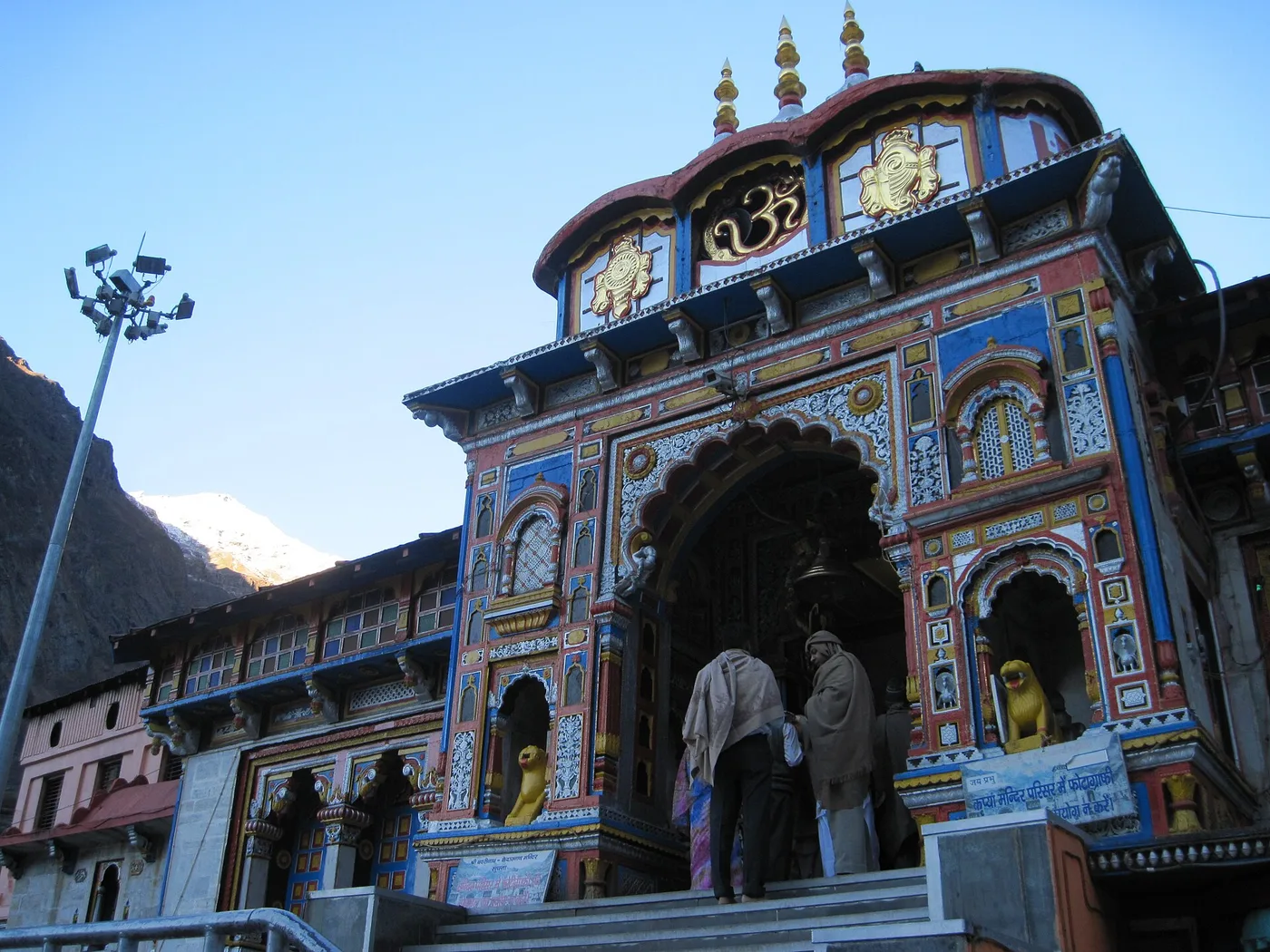
Kedarnath Yatra with Senior Citizens: A Safe Plan for Elderly Parents
By My Quick Trippers · 19 Nov 2026
9 min read · Pilgrimage
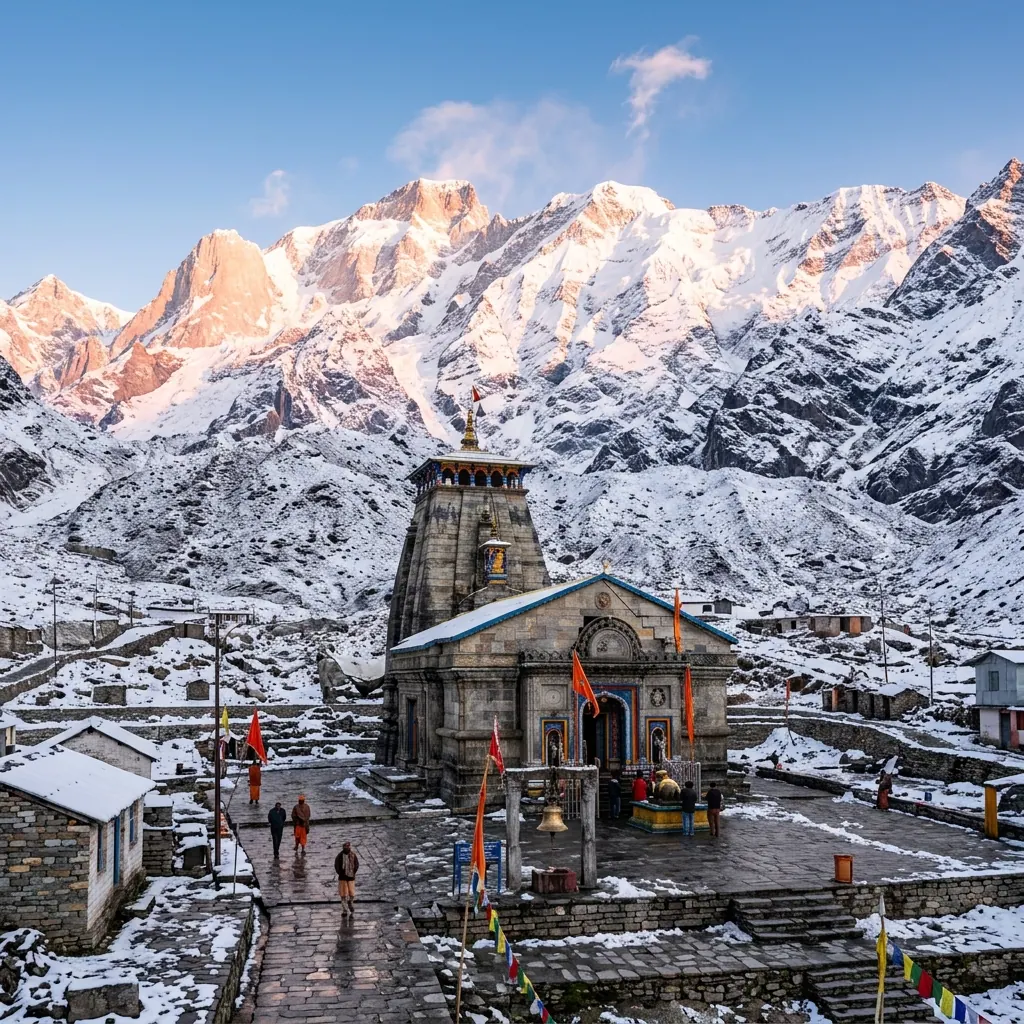
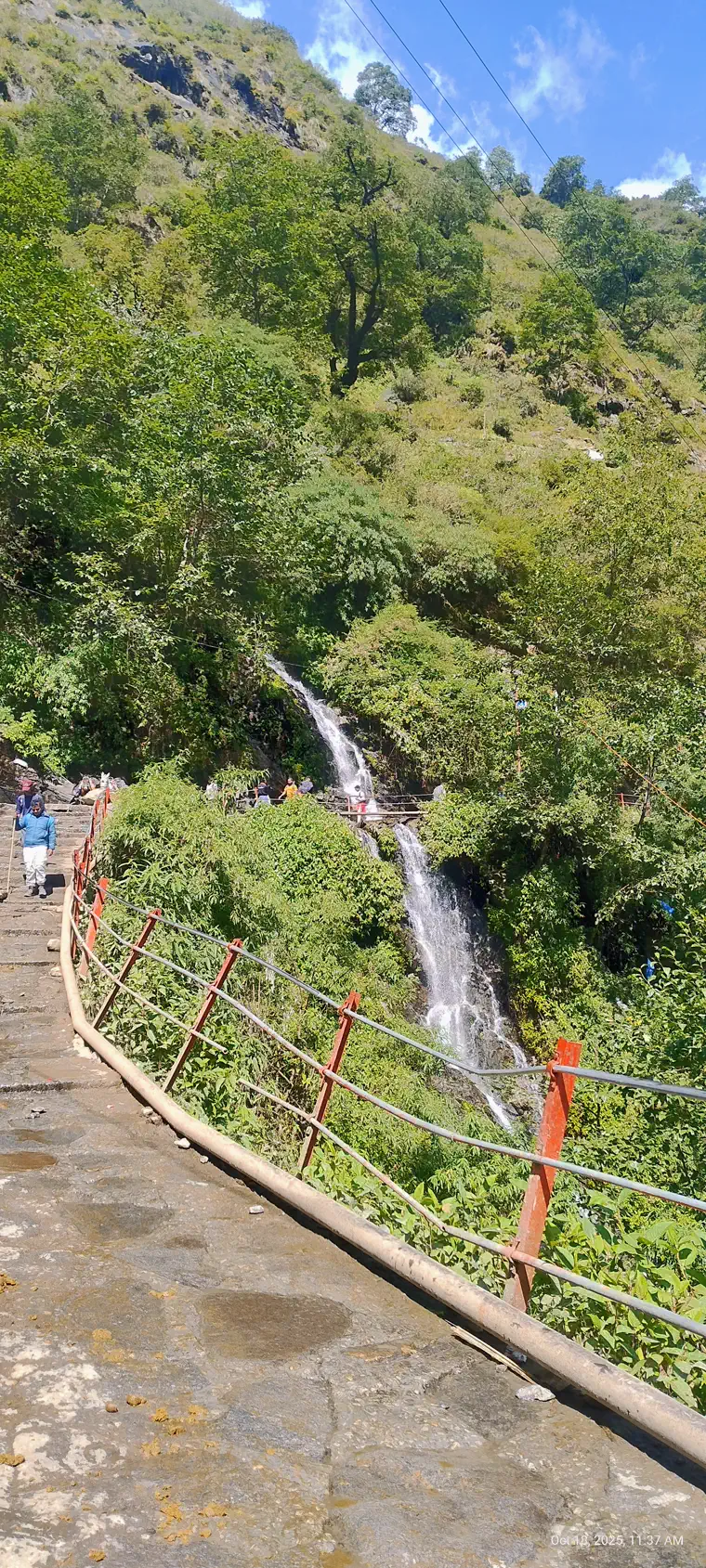
Taking elderly parents to Kedarnath is one of the most common questions we hear — and one of the most badly answered. The honest starting point is the mountain itself: the temple sits at 3,583 metres, the trek from Gaurikund is 16 km uphill, and the 2026 season drew a record 19.33 lakh pilgrims, which means the May-June queue alone can run 3 to 6 hours. None of that means your parents cannot go. It means the plan has to be built around them — their knees, their stamina, their medicines — and not around a generic itinerary. This guide is that plan: who should walk, who should fly, who should ride, and the one rule that matters more than any of them.
The short version: most pilgrims over 65 do best with the helicopter or the palki, a night halt at Guptkashi before the ascent, a buffer day built into the plan, and September-October instead of May-June. The rest of this guide explains why each of those choices matters, what they cost, and what to do when things do not go to plan. For the general trek and route picture, see our Kedarnath trek distance and preparation guide and the complete 2027 travel guide.
Can senior citizens go to Kedarnath?
Yes. There is no official upper age limit for the Kedarnath Yatra, and every season thousands of pilgrims over 70 complete it — most of them by helicopter or palki, not on foot. Registration is free and mandatory for all pilgrims, and a free medical screening is conducted for Kedarnath-bound pilgrims at Sonprayag, which is a useful checkpoint rather than a formality: if the screening flags a problem, take it seriously and change the plan. The question is never age alone. It is fitness, heart and lung health, knee strength, and how the person handles altitude. A fit 75-year-old who walks daily will manage the yatra better than a sedentary 60-year-old. Before anything else, get a doctor's opinion — specifically about high altitude, exertion at 3,583 metres, and whether the trek, the pony, or the helicopter is appropriate.
Helicopter, palki or pony — which is better for parents?
The helicopter shuttle is the kindest option for elderly pilgrims: it removes the trek entirely. Shuttle seats are booked only through IRCTC HeliYatra (heliyatra.irctc.co.in) — no agent can book them, and anyone who claims otherwise is running a scam; our helicopter booking scam guide explains the frauds in detail. The 2027 shuttle fares have not been announced yet — they are expected around April 2027 — so do not pay anyone quoting a 2027 shuttle fare today. If the shuttle is sold out, the practical alternative is a chartered helicopter circuit: our Char Dham Yatra by Helicopter 2027 covers all four dhams in 6 days and 5 nights from Dehradun, starting from ₹2,15,000 per person onwards. Indicative starting price only; final quotation depends on train class, hotel category, occupancy, meals, transfers, route and availability.
The palki (palanquin) is the second-best option for parents who want the trek experience without walking it. Four bearers carry the pilgrim the full 16 km from Gaurikund, which takes most of the day. District-fixed rates in recent seasons were roughly ₹8,000 to ₹15,200 one way — quote them as a range, because the exact rate varies by season and by the point of hire, and it is fixed by the district administration rather than by bargaining. The palki is slow, exposed to the weather, and physically demanding on the bearers, but for a parent who wants to arrive at the temple the traditional way, it is the honest choice.
The pony is the cheapest assisted option — roughly ₹2,500 to ₹4,500 one way in recent seasons — but it is the worst option for most elderly pilgrims. The ride is bumpy, the path is crowded with other ponies, mules and foot pilgrims, and a fall from a pony at altitude is a serious injury. If your parent has back problems, weak balance or any fear of heights, skip the pony. If they are steady, experienced riders who insist on it, hire from the official counter, not from touts on the path, and walk the steepest stretches.
The one rule that matters: sleep low
The single most effective thing you can do for elderly parents is to spend the night before the ascent at Guptkashi, not at Sonprayag or Gaurikund. Guptkashi is lower, warmer, has better hotels and medical access, and gives the body a night to adjust before the climb. Rushing from Haridwar to Gaurikund in one day and starting the trek at dawn the next morning is how altitude sickness happens — and at 70, altitude sickness is not a headache, it is a medical emergency. Build the plan as: Haridwar to Guptkashi on day one, Guptkashi to Sonprayag and the ascent on day two, darshan and descent on day three, and a buffer day after that for weather or fatigue. The buffer day is not wasted time. In the hills, it is the difference between a yatra and a rescue.
September-October beats May-June for elders
May and June are the worst months to take elderly parents: the largest crowds, the longest queues, the highest prices, and the most pressure on ponies, palkis and medical posts. September is the single best month for Kedarnath overall — the monsoon has passed, the skies clear, the crowds thin, and the queues shrink — and October is nearly as good, with colder nights but the same calm. The trade-off is the cold: September-October nights at the top drop close to freezing, so pack heavy woollens and plan the darshan for the daytime. Our month-by-month guide makes the same September call with the full seasonal breakdown.
Medical preparation: what to actually do
- Doctor's visit 3 to 4 weeks before travel: heart, lungs, blood pressure, diabetes control, and a direct question — trek, pony, palki or helicopter only?
- Carry all regular medicines with 2 to 3 days of spares, in hand luggage, with the prescriptions. Keep a written list of medicines, doses and allergies in the parent's pocket.
- Pack a small altitude kit: a pulse oximeter (cheap, light, and genuinely useful at 3,583 metres), ORS sachets, basic pain relief, and any prescribed altitude medicine the doctor advises.
- Plan the free medical screening at Sonprayag into the schedule — do not skip it to save an hour.
- Keep the phone charged and note the nearest medical aid post locations on the trek; the route has medical posts and oxygen support at intervals, but they are not ambulances.
- If a parent develops breathlessness, confusion, persistent vomiting or chest pain at altitude, descend immediately and seek medical help. Do not wait for darshan.
A note on honesty: do not hide a parent's condition from the doctor, the operator, or the helicopter crew to force the trip through. The yatra will still be there next year. The winter darshan at Ukhimath — where Baba Kedar is worshipped from November to May — is a real alternative for parents who cannot do the high trek at all; see our Kedarnath winter darshan guide.
A practical plan for parents
For most families, the arranged option removes the hardest parts: transport, stays, registration, and someone on the ground when a plan changes. Our Badrinath-Kedarnath Yatra from Haridwar is paced for a mixed-age group at ₹34,500 per person, and the Char Dham Yatra by Helicopter 2027 removes the trek entirely at ₹2,15,000 per person onwards (indicative starting price only; final quotation depends on train class, hotel category, occupancy, meals, transfers, route and availability). Whichever way you go, book the helicopter the day the window opens — the 2027 shuttle phases are expected around April 2027 — and book stays at Guptkashi early, because the senior-friendly hotels with attached bathrooms and ground-floor rooms are the first to sell out. Our where to stay guide covers the base towns in detail.
Frequently Asked Questions
Can senior citizens go to Kedarnath?
Yes — there is no official upper age limit, and thousands of pilgrims over 70 complete the yatra every season, mostly by helicopter or palki. What matters is fitness and a doctor's opinion on high altitude, not age alone. Registration is free and mandatory, and a free medical screening is conducted at Sonprayag for Kedarnath-bound pilgrims.
Is the trek safe for elderly pilgrims?
The 16 km trek from Gaurikund to the temple at 3,583 metres is demanding for anyone, and for elderly pilgrims the risks are altitude sickness, knee strain and exhaustion. Most elderly pilgrims should not walk the full trek. The helicopter removes it entirely; the palki covers it without walking; the pony is the cheapest assisted option but the roughest ride. Sleep at Guptkashi the night before the ascent and keep a buffer day.
Helicopter or palki — which is better for parents?
The helicopter is better: no trek, no altitude exertion, no weather exposure on the path. The palki is better only if your parent specifically wants the traditional trek experience without walking. Book shuttle seats only through IRCTC HeliYatra — no agent can book them. The 2027 shuttle fares are not announced yet; the chartered 6-day/5-night helicopter circuit starts from ₹2,15,000 per person onwards (indicative starting price only; final quotation depends on train class, hotel category, occupancy, meals, transfers, route and availability).
What medical check is needed before the yatra?
A doctor's visit 3 to 4 weeks before travel covering heart, lungs, blood pressure and diabetes, with a direct question about altitude fitness. Carry medicines with spares and prescriptions, and plan for the free medical screening at Sonprayag. Carry a pulse oximeter — it is the simplest way to catch altitude trouble early.
What if my parents cannot walk at all?
Then fly, or go in winter. The helicopter shuttle or the chartered helicopter circuit avoids the trek completely. Alternatively, visit Baba Kedar at his winter seat, the Omkareshwar Temple in Ukhimath, where darshan runs from November to May with no trek at all — see our Kedarnath winter darshan guide.
Share this article
Comments
Related Posts
Taking parents? Go at their pace.
View: Badrinath–Kedarnath Yatra from Haridwar