Pahadi Experienced Drivers: The Safety Craft of Uttarakhand Hill Driving
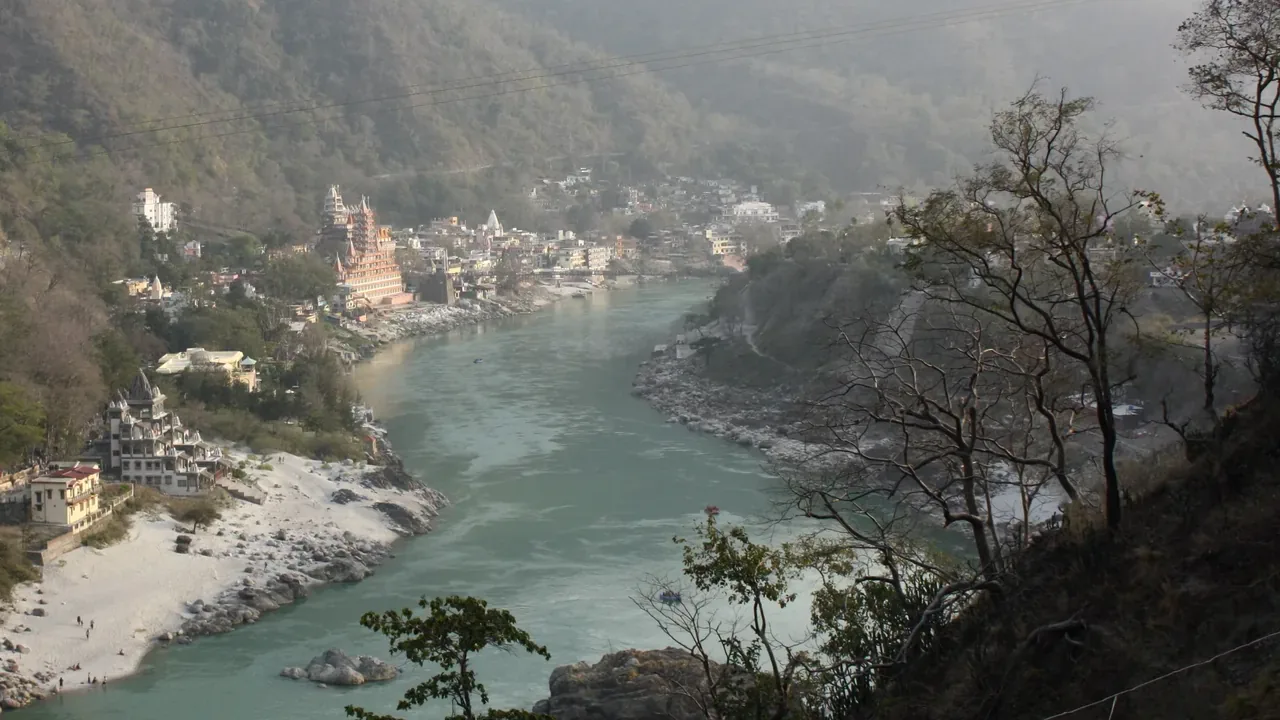
Ask any seasoned traveller what made their Uttarakhand trip safe, and the answer is rarely the vehicle model or the road quality. It is the driver. Pahadi experienced drivers — men who have spent a decade or more driving the ghat roads of Garhwal and Kumaon — practise a craft that looks effortless from the passenger seat and is anything but. This article is about that craft: the techniques, the protocols, the vehicle discipline and the verifiable markers that separate a genuinely experienced hill driver from someone who simply holds a licence.
This is the companion to our piece on Pahadi taxi culture, but the angle here is different and deliberately narrower: safety as a technical discipline. Where the other article celebrates local knowledge and hospitality, this one dissects what happens — or should happen — on blind curves, monsoon-soaked descents, landslide zones and night halts. If you are entrusting your family to a driver on mountain roads, these are the standards to hold.
Everything below reflects real operating practice on Uttarakhand's hill routes, from the Rishikesh–Badrinath highway to the Char Dham circuit we document in our Char Dham road updates. Use it as a checklist when choosing a driver or operator.
Why Pahadi Experienced Drivers Matter on Ghat Roads
Mountain roads punish the exact habits that city driving rewards. In the plains, momentum is efficiency; on a ghat descent, momentum is the enemy. In the city, the horn is communication; on a blind curve, position and patience are communication. A driver trained only on plains roads brings reflexes that are actively wrong for the hills — late braking, wide cornering, overtaking on faith. The accident data on hill highways tells this story every season.
An experienced Pahadi driver has replaced those reflexes over thousands of hours. Descents are managed in low gears with the engine doing the braking, not the brake pads. Curves are taken on the inside line with the horn used early as a signal, not late as a protest. Overtaking happens only with full sightlines, which on a ghat road means rarely and deliberately. None of this is dramatic to watch — the hallmark of hill craft is that the passenger barely notices it. If your driver's hill technique is invisible to you, that is the technique working.
The Hill-Driving Craft: Engine Braking, Blind Curves and Overtaking
Three techniques form the core of safe hill driving, and they are worth understanding so you can recognise whether your driver practises them.
Engine braking on descents
On a long descent, riding the brake pedal overheats the brakes until they fade — the pedal goes soft and stopping distances balloon. Experienced hill drivers descend in a low gear, letting engine compression hold the speed while the brakes are used in short, firm applications only. You can feel it as a passenger: the car holds a steady, unhurried pace downhill without the repeated lurch of brake-ride-brake. If your driver is constantly on the brakes down a ghat, that is a warning sign, not a style.
Blind-curve discipline
Every blind curve gets the same treatment: slow early, horn once before the turn, hold the mountain-side line, and never assume the road is empty. Experienced drivers also read the curve's context — a curve below a known landslide scar gets extra caution, a curve near a village gets a slower approach for pedestrians and livestock. Impatience at blind curves is the single most common cause of hill collisions, and it is entirely a driver-discipline issue.
Overtaking: the rarest manoeuvre
On plains highways, overtaking is routine. On ghat roads, a professional treats it as an exception requiring three conditions: a straight visible stretch, a clear speed advantage, and an escape route if something appears. Watch your driver on a two-lane hill road — if they sit patiently behind a slow truck for kilometres rather than squeezing past on a curve, you are in experienced hands. The drivers who scare passengers are almost always the ones overtaking, not the ones being overtaken.
Monsoon and Landslide Protocol
July to September transforms Uttarakhand's roads, and this is where experience shows most starkly. A professional hill driver operates a clear protocol during monsoon. Before departure, they check conditions through the driver network and recent traveller reports — which stretches are sliding, which are under clearing operations. During the drive, they watch cut slopes for fresh debris, listen for the changed pitch of streams that signals upstream cloudbursts, and slow or stop for any slope that looks newly unstable.
The hardest part of the protocol is the stop decision. Turning back or waiting out a slide costs the driver time and sometimes money, which is exactly why inexperienced or pressured drivers push through. An experienced Pahadi driver has the standing to make the safe call and the communication skills to explain it to passengers without causing panic. When choosing an operator, ask explicitly: what is your monsoon protocol, and has a driver ever turned back on your instruction? The right answer is immediate and specific. For route-level awareness, travellers can follow our Char Dham road updates through the season.
- Pre-departure condition checks through the local driver network, not just a weather app.
- Continuous slope-watching: fresh debris, changed stream sounds, newly wet cuttings.
- A clear stop-and-wait threshold — no negotiating with an active slide.
- Authority to turn back: the driver must be empowered to make the safe call without passenger pressure.
The Pre-Ghat Vehicle Check
Experienced drivers do not trust a vehicle just because it started this morning. Before any serious ghat section, a professional runs a quick but systematic check — and the best operators require it as policy, not personal habit. Passengers rarely see this happen, but you can ask whether it does.
- Brakes: pedal feel, handbrake hold on an incline, no pulling to one side under braking.
- Tyres: tread depth, correct pressure (including the spare), no sidewall damage from rocky shoulders.
- Cooling: coolant level and temperature gauge behaviour — overheating on climbs strands vehicles in the worst places.
- Lights and wipers: full beam, indicators and wipers all working; mountain weather changes in minutes.
- Emergency kit: spare tyre with tools, tow rope, first-aid box, drinking water and a charged torch.
- Fuel: tank above half before any remote stretch — fuel stations thin out fast beyond the main towns.
A driver who walks around the car and checks these things before a ghat is not being fussy. They are doing the job properly. If you are planning the pilgrim circuit, our Delhi to Badrinath route notes show just how much mountain driving a single yatra involves — and why this discipline matters on every kilometre of it.
What Experienced Verifiably Means: Years, Routes and Night Policy
Experienced is the most abused word in taxi advertising, so here is how to verify it. Years: ask how long the driver has driven commercially in the hills specifically — ten-plus years on ghat routes is the meaningful threshold, not total driving years. Routes: ask which routes they drive regularly; a driver who names specific stretches and their hazards (the slide zone before a certain town, the icing bridge in winter) is speaking from experience, while vague claims of all-India experience mean little on a mountain road.
Record: ask the operator about their accident and breakdown history and how drivers are trained or mentored — reputable operators pair newer drivers with veterans for seasons before soloing them on difficult routes. And night policy: this is the litmus test. Any operator serious about safety prohibits night driving on ghat sections, full stop. If an operator is happy to drive the hills at midnight to fit your schedule, their safety culture is a slogan, not a practice. Walk away.
On the commercial side, experience should also show up in honest pricing. Typical one-way ranges for the region include Jolly Grant Airport to Dehradun city at about ₹1,100–1,700 by sedan, Jolly Grant to Rishikesh at ₹1,150–2,000 by sedan, Jolly Grant to Mussoorie at ₹1,850–2,500 by sedan, and Delhi to Dehradun at ₹2,750–3,650 by sedan or ₹5,400–7,000 by Innova. Fares are typical market ranges observed in October 2026 and vary by season, operator, vehicle condition and exact pickup/drop points. Confirm a fixed all-inclusive quote before booking. Operators undercutting these ranges significantly are cutting something — and on hill routes, that something is usually driver quality or vehicle maintenance.
“On a mountain road, the most important safety feature is not in the car. It is behind the wheel.”
Frequently Asked Questions
How many years of hill driving counts as experienced?
As a rule of thumb, ten or more years driving commercially on Himalayan routes marks a genuinely experienced hill driver. More important than the raw number is route-specific familiarity — a driver with eight years on the Char Dham circuit knows those roads better than a driver with fifteen years split across the plains.
Is night driving in the hills really that dangerous?
Yes. Reduced visibility combines with the specific hazards of ghat roads — unmarked curves, parked trucks without reflectors, rockfall, animals — and driver fatigue peaks exactly when the roads demand most. Professional operators prohibit night driving on hill sections; plan itineraries that reach the halt town by dusk, and treat any operator who disagrees as a red flag.
What should I do if my driver seems unsafe?
Speak up immediately and specifically — ask them to slow down rather than offering general criticism. If the behaviour continues, call the operator's coordinator while on the road and request a driver change at the next town. A reputable operator treats such calls as urgent. This is one more reason to book through an operator with live trip support rather than an anonymous aggregator.
Do experienced drivers cost more?
The daily rate difference is usually modest — the real cost of inexperience shows up in fuel wasted on bad lines, detours from missed turns, and the far greater cost of an incident. When comparing quotes, the cheapest operator is frequently the one with the least experienced drivers and the oldest vehicles. Price the risk, not just the ride.
Can I request the same driver for a multi-day trip?
Yes, and you should — continuity is a major safety and comfort advantage on circuits like Char Dham, where the driver learns your group's pace over the days. Our tourist places in Kedarnath guide pairs well with a multi-day plan built around one trusted driver for the whole route.
Book with MQT India
MQT India works only with experienced Pahadi drivers — hill-trained, route-verified, and backed by a no-night-driving policy on ghat sections plus live trip support throughout your journey. Get a fixed all-inclusive quote with your driver's details shared before departure. WhatsApp us at +91 81711 58569 or visit myquicktrippers.com.
Sources
- Doon Cabs — Dehradun airport taxi fares and vehicle options
- CabBazar — Dehradun to Jolly Grant airport cab fare guide
- Triveni Cabs — Delhi to Dehradun one-way cab pricing
- Suri Tours — Delhi to Dehradun outstation taxi options
Share this article