Best Time to Visit Kedarnath: Month-by-Month Guide
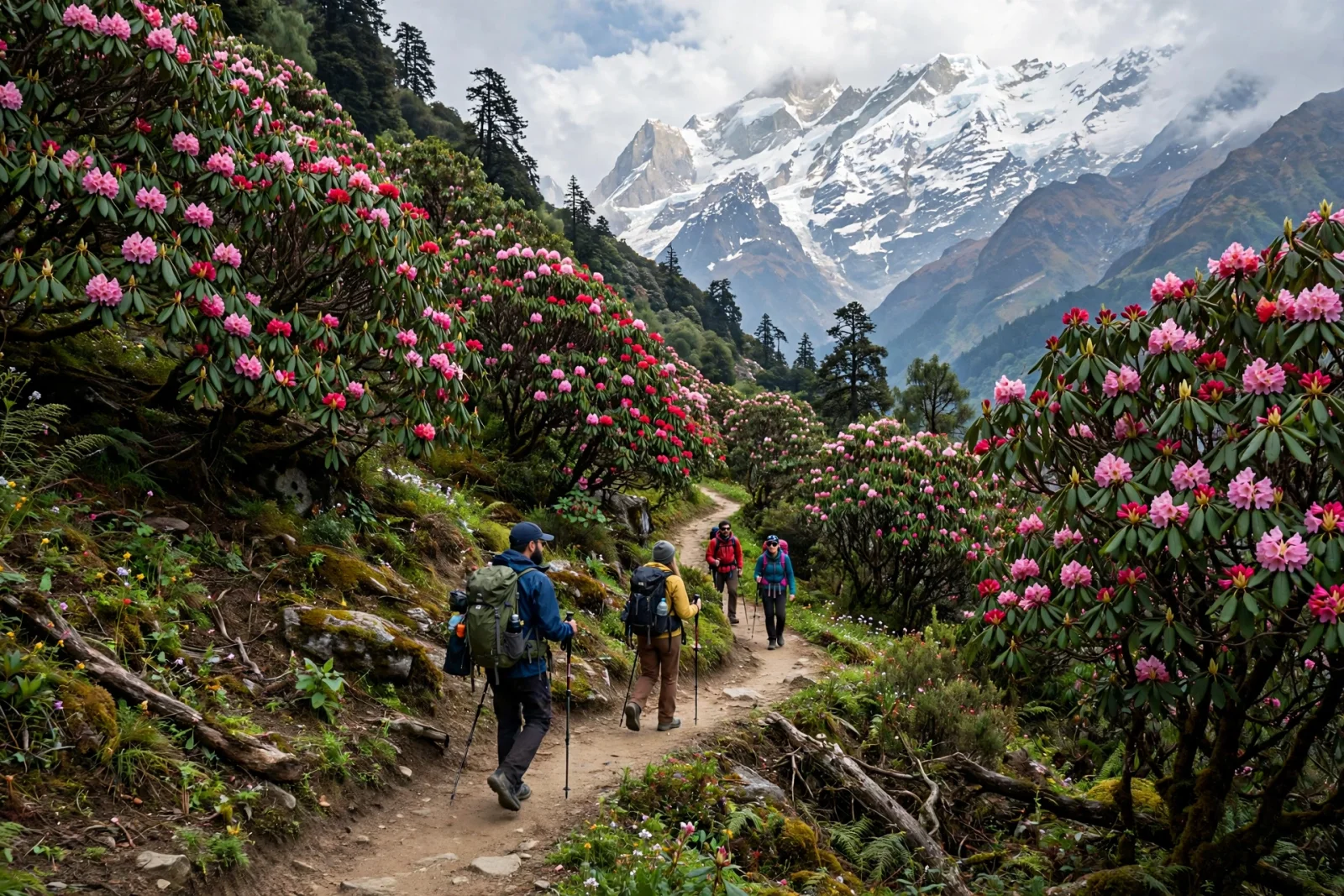
Choosing the best time to visit Kedarnath shapes everything about your yatra — the weather on the 16-kilometre trek, the length of the darshan queue, the price of hotels in Guptkashi, and whether you see the Kedarnath peak or only clouds. The temple is open roughly six months a year, and each month within that window has a distinct personality.
This month-by-month guide covers the full yatra season from the temple opening (typically late April or May) to closing (around Diwali), with honest notes on crowds, weather, road conditions and costs — so you can pick the month that fits your priorities, not someone else's.
The Yatra Season at a Glance
Kedarnath temple typically opens in late April or May — the exact date is announced by the temple committee and the Uttarakhand government each year, so confirm the 2027 dates before booking — and closes around Diwali in October or November, when the deity moves to Ukhimath for winter worship. Within this window, the season splits into three phases: the peak opening rush (May to mid-June), the monsoon (July-August), and the post-monsoon golden period (September to closing).
Here is the short version: May-June for the full yatra energy and longest days; September-October for the best weather, views and value; July-August only if you have no choice. Now the month-by-month detail.
Month-by-Month Breakdown
May: the grand opening
The temple opens amid massive devotion — opening day draws enormous crowds and VIP movement. Early May can still see snow patches on the upper trek and biting cold at the shrine. By mid-to-late May, the route is fully operational, days are long, and the yatra is in full swing. Expect the year's highest pilgrim footfall, the longest darshan queues, peak hotel rates, and helicopter seats selling out weeks ahead. Book everything early.
June: peak season continues
June is the busiest month of the yatra — summer holidays bring families in huge numbers. Weather is the most stable of the season: mild days on the trek, cold nights at the top. This is the best month for first-timers who want full services, maximum fellow-pilgrim energy and the lowest weather risk. It is also the most expensive and crowded month; start the trek before dawn to beat both the heat and the pony traffic.
July-August: the monsoon
Heavy rain transforms the region: the trek turns slippery, the Mandakini runs furious, and landslides periodically close the Rudraprayag–Guptkashi and Sonprayag roads. The yatra continues and crowds thin dramatically — darshan queues are shortest now — but delays of a day or two are common and the administration sometimes halts movement on vulnerable stretches. Travel only if your dates are fixed, keep buffer days, carry full rain gear, and follow official advisories strictly.
September: the connoisseur's month
As the monsoon withdraws, September delivers what many experienced yatris call the finest conditions of the year: washed-clean air, razor-sharp views of the Kedarnath range, comfortable trekking temperatures, stable roads and a fraction of the May-June crowds. Hotel rates soften, helicopter seats are easier to get, and the evening aarti feels intimate rather than chaotic. If your calendar allows, September is the single best month for Kedarnath.
October to closing: autumn gold
October brings crisp air, golden light and cold nights — temperatures at the shrine drop toward freezing, and the first snows can dust the upper trek by late October. Crowds are thin, the atmosphere is serene, and the closing ceremony around Diwali is deeply moving. Pack serious winter clothing; this is no longer summer trekking. The exact closing date varies with Diwali — confirm before planning late-October travel.
November to April: the temple sleeps
The temple is closed and Kedarnath is snowbound. The deity is worshipped at Ukhimath, which remains accessible by road and offers a peaceful winter darshan without crowds. The trek route is under snow and closed to pilgrims. Winter is for planning next season's yatra — or for visiting the winter seat.
Best Time by Traveller Type
- First-timers: late May or June — full services, stable weather, maximum support infrastructure.
- Photographers and view-seekers: September-October — the clearest skies of the season.
- Budget travellers: September-October — lower hotel rates and easier helicopter availability.
- Senior citizens: May-June or September — avoid monsoon entirely; September's thinner crowds mean less jostling.
- Avoiding crowds: September, October, or the monsoon months if you accept the weather risk.
- Festival atmosphere: the opening week in May and the closing days around Diwali.
The Crowd Calendar: What Drives the Rush
Beyond months, specific periods spike crowds dramatically: the temple opening week in May (devotees throng the first darshans), summer school holidays (mid-May to June end — family peak), long weekends, the Shravan Mondays (July-August, huge Shiva-devotee turnout despite monsoon), and the closing days around Diwali. If crowd-avoidance is your goal, target mid-September to mid-October weekdays — the sweet spot of thin crowds, clear skies and full services.
Hotel pricing follows the same curve: Guptkashi and Sonprayag rates roughly double in May-June versus September-October, and helicopter seats that sell out in May can be booked weeks ahead in autumn. Travelling in the shoulder season is not just pleasanter — it is significantly cheaper. The mountains, paradoxically, reward those who come when others don't.
Is the closing date around Diwali fixed?
The closing follows the Hindu calendar — typically a day or two after Diwali, on Bhai Dooj — so it shifts yearly with the festival. Diwali falls on Nov 8 in 2026; the 2027 date will be announced with the festival calendar. Confirm before planning late-season travel, as services wind down rapidly after closing.
What is the weather like on the trek in June vs October?
June: mild days (10-18°C on the trail), cold nights at the top (2-6°C), occasional pre-monsoon showers. October: crisp days (8-15°C), freezing nights (-2 to 3°C), clearer skies, possible early snow late in the month. October demands heavier layering but rewards with the season's best views.
Frequently Asked Questions
Is October too cold for the Kedarnath trek?
October is cold but very doable with proper winter layering — thermals, fleece, down jacket, cap and gloves. Days are pleasant for trekking; nights at Kedarnath are near or below freezing. Late October can bring the season's first snow on the upper trail.
Can I visit Kedarnath in December?
The temple is closed and the trek is under snow. You can visit Ukhimath, the winter seat, for darshan of the deity — a serene experience, but not the Kedarnath temple itself.
Which month has the shortest darshan queues?
September and October, by a clear margin — and the monsoon months, if you are willing to brave the weather. May and June have the longest queues, especially on weekends and holidays.
Is the monsoon really that bad for Kedarnath?
It is the highest-risk period: landslides, slippery trek, road closures and the occasional administrative halt. Thousands still complete the yatra in monsoon, but it demands buffer days, rain gear, flexible plans and strict attention to official advisories. For most pilgrims, it is not worth the gamble when September exists.
When do helicopter bookings open for the season?
Operators typically open bookings a few months before the season once the temple dates are announced. May-June seats sell out fastest — book 2-3 months ahead. September-October seats can often be found 3-4 weeks out.
If you remember one thing from this guide, make it this: September and October give you the Kedarnath of postcards — clear peaks, calm queues, kind prices — while May and June give you the Kedarnath of festivals. Both are wonderful; choose with open eyes. To time your yatra to the right month and have the logistics handled, chat with our travel experts on WhatsApp to plan this trip.
Share this article