Meghalaya in Winter: Dawki's Clearest Water, Living Root Bridges and the Dry-Season Circuit
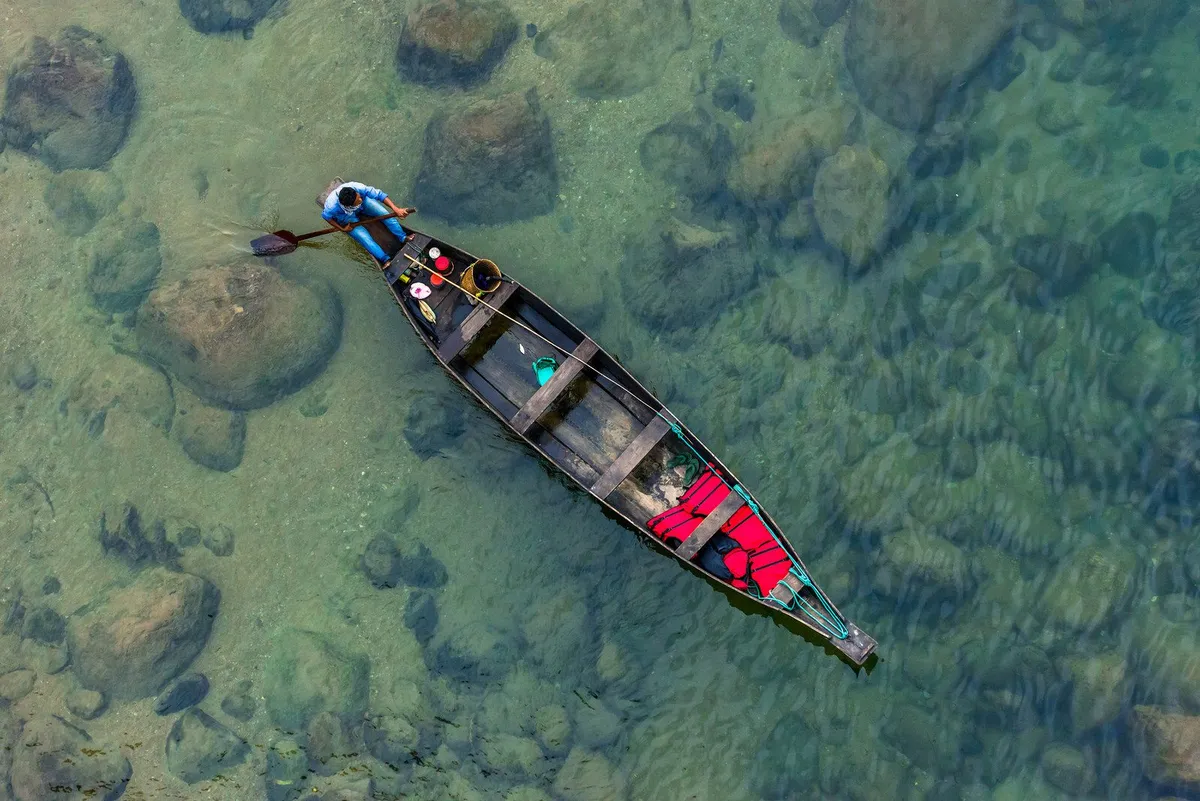
Meghalaya runs its seasons in reverse. In most of India, summer is the time to travel and winter is the compromise; in the Abode of the Clouds, summer is the monsoon — this is one of the wettest landscapes on Earth, where Mawsynram near Sohra receives nearly 12,000 mm of rain in a year — and winter is the reward. From December to February the skies clear, the trails dry, Shillong turns properly cold, and the Umngot river at Dawki runs so transparent that boats appear to float in mid-air. If you have seen that photograph, winter is when it was taken.
This guide builds the dry-season circuit properly: what winter gives you, what it takes away (the waterfalls thin out — an honest trade), and how to string Shillong, Sohra and Dawki together without wasting the short winter days.
Dawki and the Umngot: the main event
Dawki is a small border town in the West Jaintia Hills, hard against the India–Bangladesh line, and its river is the reason winter itineraries bend towards it. In the clear months the Umngot runs emerald and glassy; from the historic suspension bridge — built by the British in 1932 — you look straight down through the water to the stones of the riverbed. Boat rides run from the Dawki ghats and from Shnongpdeng, the village a few kilometres upstream that has become the river's adventure base, with camping, kayaking and cliff jumping for those who want the water to be more than a view.
Practical notes that matter: reach the river in the morning, when the light is cleanest and the surface stillest; use authorised boat counters rather than touts; and respect the border — stay on the Indian side and follow BSF instructions where posted. The drive from Shillong is long and winding, so Dawki works best as a full day or, better, paired with a night in the Jaintia side rather than a rushed return in the dark.
Sohra in the dry season: root bridges without the deluge
Winter transforms the other Meghalaya pilgrimage: the living root bridges. The famous double-decker bridge at Nongriat, grown over generations by guiding the roots of rubber fig trees across a gorge, is reached by thousands of steps down from Tyrna near Sohra. In the monsoon those steps are a waterfall of their own; in winter they are merely strenuous — cool air, dry stone, clear streams at the bottom, and natural pools you can actually linger in. Allow the full day, start early, carry water, and respect the villages you pass through: the bridges are Khasi bioengineering and living community infrastructure, not a theme-park prop.
“Go to Meghalaya in the monsoon for its waterfalls. Go in winter for its water — the kind you can see straight through.”
Shillong, and how to shape the week
- Shillong in winter means cold nights, woodsmoke, cafe afternoons and the city's music bars; pack real woollens, not a token jacket.
- A clean circuit is Shillong (2 nights) → Sohra (2 nights, root bridge day + viewpoints) → Dawki–Shnongpdeng (1 night) → back to Shillong or out via Guwahati.
- Winter days are short in the hills; put the long drives and the Dawki boating in the morning halves of your days.
- Avoid the Christmas–New Year week if crowds bother you — it is the northeast's own holiday season and prices and traffic both spike.
Meghalaya pairs beautifully with the plains below: our Kaziranga safari guide covers the Assam leg most travellers add, the Assam–Meghalaya–Arunachal tour package strings the northeast together, and if your dates slip to December our best places to see snow in December and Christmas destinations guides cover the alternatives.
Mawlynnong and the Jaintia side
On the Dawki leg, add Mawlynnong, the village long celebrated for its spotless lanes and flower-fronted houses, which sits close enough to combine in the same day's driving. It is a gentle stop — a walk through immaculate pathways, a skywalk viewpoint over the plains of Bangladesh, and a living lesson in how a community keeps a landscape clean — and it contrasts beautifully with the river drama at Dawki. The Jaintia Hills around hold their own quieter sights, including the Phe Phe falls, which keep reasonable flow later into the dry season than the great Sohra cliffs. Travellers with a spare day in winter often rate this unhurried side of Meghalaya — villages, orchards, local markets — as highly as the headline sights.
Eating through a Khasi winter
Winter food in the hills is built for the cold. Look for jadoh, the Khasi rice preparation cooked with meat and mild spices, served in local eateries from Shillong to the highway towns; for smoked meats and pork dishes that are the region's pride; and for the small restaurants — the ja dois of Shillong's market areas — where a filling local lunch costs little and explains a lot. Shillong's cafes, meanwhile, do a brisk winter trade in coffee and baked goods for the student and musician crowd the city is famous for. Eat locally at least once a day: Meghalaya's kitchens are as distinct as its landscapes, and winter is when they are at their most comforting.
One winter warning, given plainly: Meghalaya's dry season is not a warm one, and the state surprises travellers who pack for 'the northeast' as if it were the plains. Shillong sits at hill-station altitude, and December–January nights bite; Sohra and the high viewpoints add wind to the equation, and the root-bridge descent warms you on the way down only to chill you at the streams if you linger in wet shoes. Pack layers you can strip for the climbs and restore at the top, start drives after the morning mist lifts where you can, and keep the Dawki boat ride for the bright middle of the day, when the sun is high enough to light the riverbed and the famous floating-boat effect is at its strongest.
Give Meghalaya its winter week and it will give you back the clearest river in India, bridges grown from living roots, and a hill capital that knows how to do cold properly — a combination no other Indian state can copy.
- Discover with Dheeraj — Meghalaya Travel Guide 2026: 5-Day Shillong Circuit
- NDTV Travel — Why Visit Dawki, Where Boats Appear to Float in the Air
- Tusk Travel — Dawki Tours: Umngot River Boating & Meghalaya Travel
Share this article