Kaziranga Safari Booking Guide: Kohora, Bagori, Agoratoli and Burapahar Ranges Explained
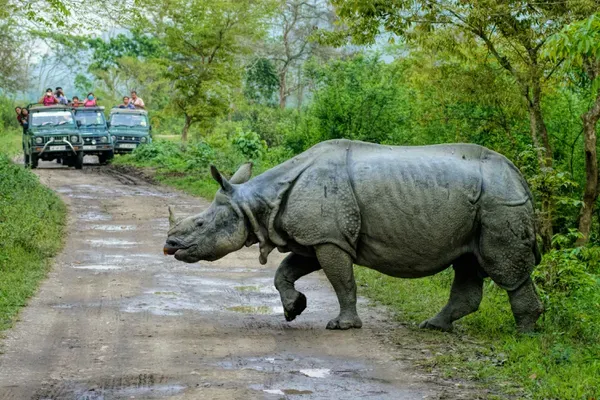
Kaziranga does not do subtle. This is a floodplain of tall elephant grass, oxbow lakes and riverine forest on the Brahmaputra's south bank in Assam — a UNESCO World Heritage Site that protects the world's great stronghold of the greater one-horned rhinoceros, alongside tigers, wild buffalo, swamp deer and herds of elephants. Safaris here feel different from central India's sal forests: the grass towers over the jeep, the beels (wetlands) glitter with birds, and a rhino can be grazing in plain sight a hundred metres away while remaining, somehow, a surprise.
The park is explored through four tourist ranges, and choosing between them — and between jeep and elephant — is the main planning decision. This guide breaks the ranges down honestly, explains the season, and covers the rules that keep both you and the rhinos safe.
The four ranges, and who each suits
Kohora, the Central Range, is where most first visits begin, and rightly: the circuit of grassland, woodland and beels here produces reliable rhino sightings along with elephants, buffalo and swamp deer, and it is the range with the deepest tourist infrastructure around the Kohora gate town. Bagori, the Western Range, is the classic elephant-safari country — open grassland and water bodies that draw rhinos into the open at dawn — and photographers love its broad, uncluttered backdrops. Agoratoli, in the east, is quieter and wilder-feeling, threaded with wetlands that make it the birdwatcher's range, with river views towards the Brahmaputra. Burapahar adds what the others lack: hills. Its forested, undulating terrain around Ghorakati, some 40 km from Kohora, suits travellers who want a jeep drive that feels like a journey and a chance at gibbons and hill birds alongside the plains game.
Jeep or elephant?
- Elephant safari: an early-morning hour in the grass at rhino height. Nothing else puts you this close to grazing rhinos in their own element; slots are limited and allotted close to the day, so keep plans flexible.
- Jeep safari: morning and afternoon drives of a couple of hours, covering long circuits through one range. Better for covering ground, for birding stops, and for combining two ranges in a day.
- The strongest plan most visitors settle on: one elephant safari for the experience, then jeep drives in two different ranges for the variety.
Season, booking and park etiquette
Plan for the November-to-April window: winter brings pleasant weather and animals concentrated near water as the grass dries and is managed; by spring, sightings stay strong in the heat around the beels. Book safaris through your lodge or the park's authorised channels with your ID details ready, and book the elephant safari as early as your arrangements allow — it is the scarcest seat in the park. Inside, the rules are simple and enforced: stay in the vehicle except at designated points, keep noise down, give rhinos and elephants the right of way at all times, and never ask a driver to chase a sighting off the track — in Kaziranga the wildlife reliably comes to the road on its own schedule.
“In Kaziranga, the grass is taller than the jeep and the rhino was there all along — you just hadn't seen it yet.”
Most travellers pair Kaziranga with the hills above it: our Meghalaya in winter guide covers the Dawki-and-root-bridge circuit that shares the same dry season, the Assam–Meghalaya–Arunachal package links the region in one route, and safari completists can compare formats with our Ranthambore booking guide and the Periyar wildlife guide.
The flood that makes Kaziranga
To understand the park, understand its closure. Every monsoon the Brahmaputra spills across the floodplain, driving animals to the natural highlands and the raised refuges along the highway, and depositing the silt and scouring the channels that keep this grassland from turning into forest. Kaziranga exists because it floods: the annual inundation holds back the trees, feeds the beels, and resets the whole system. That is why the park shuts to visitors in the wet months and why the November reopening feels like a curtain going up on a renewed stage — fresh grass, full wetlands, and the birdlife pouring back in. Travellers who grasp this stop asking whether the flood is a problem and start seeing it as the author of everything they came to see.
Birds, and the journey in
Even visitors who arrive for the rhino leave talking about the birds. The eastern range's wetlands and the central range's beels hold staggering winter assemblages — bar-headed geese, pelicans, adjutant storks, fishing eagles and clouds of migratory waterfowl — and a morning jeep drive timed for the mist lifting off a beel is worth the trip by itself. The journey in is simple by northeast standards: Kohora, the main gate town, sits on the highway between Guwahati and upper Assam, so the park combines with a Guwahati arrival, a Brahmaputra-side night, or the onward run into the Meghalaya hills without heroic logistics. Stay at least two nights by the park — one range and one boat of a trip is never enough here — and let the second morning be the slow one.
Where you sleep shapes the safari more than visitors expect. Lodges cluster around Kohora for the central range and along the highway towards Bagori; staying near your first morning's gate saves a dark, cold pre-dawn drive and puts you at the entrance while the mist is still on the grass. Evenings in the lodge country are their own pleasure — Assamese thalis, tea-garden visits in the neighbourhood, and, at the orchid and biodiversity park near Kohora, one of the northeast's finest collections of native orchids with cultural performances that round out the wildlife days. Build one unhurried evening into the plan; Kaziranga rewards travellers who let Assam, and not only its rhinos, onto the itinerary.
Come for the rhino, by all means — but leave room in the plan for the mist, the birdsong and the great river running alongside it all.
Do that, and Kaziranga stops being a checklist safari and becomes what it has always been for those who slow down here: a front-row seat at one of the great wildlife spectacles left on Earth.
- Times of India — Complete Guide to a Fun Safari in Kaziranga National Park
- Times of India — Kaziranga Safari Tips 101
- Korners of India — Safari Zones in Kaziranga National Park
Share this article